
If you’re searching “Is Jordan Brand still owned by Nike?”, you’re probably wondering whether something changed behind the scenes.
With new collaborations, celebrity partnerships, and shifting brand identities, it’s natural to question whether Jordan has become independent.
From my experience working around apparel and brand structures, this question comes up whenever a sub-brand becomes so powerful that it feels separate from its parent.
Let’s clear it up—simply and accurately.
Table of Contents
- Quick Answer
- How Jordan Brand Was Created
- Is Jordan Still Owned by Nike Today?
- Why Jordan Feels Independent
- Jordan Brand vs Nike: How They Operate
- What This Means for Buyers
- FAQ
- Conclusion
- Internal Reference
Quick Answer
Yes—Jordan Brand is still fully owned and operated by Nike.
There has been no sale, spin-off, or separation.
Jordan Brand remains a Nike division built around Michael Jordan’s legacy.
What has changed is how independently it feels in the market.
How Jordan Brand Was Created
Jordan Brand began in 1984 when Nike signed rookie Michael Jordan.
At the time:
- Nike was not dominant in basketball
- Michael Jordan was unproven
- No athlete had a true brand
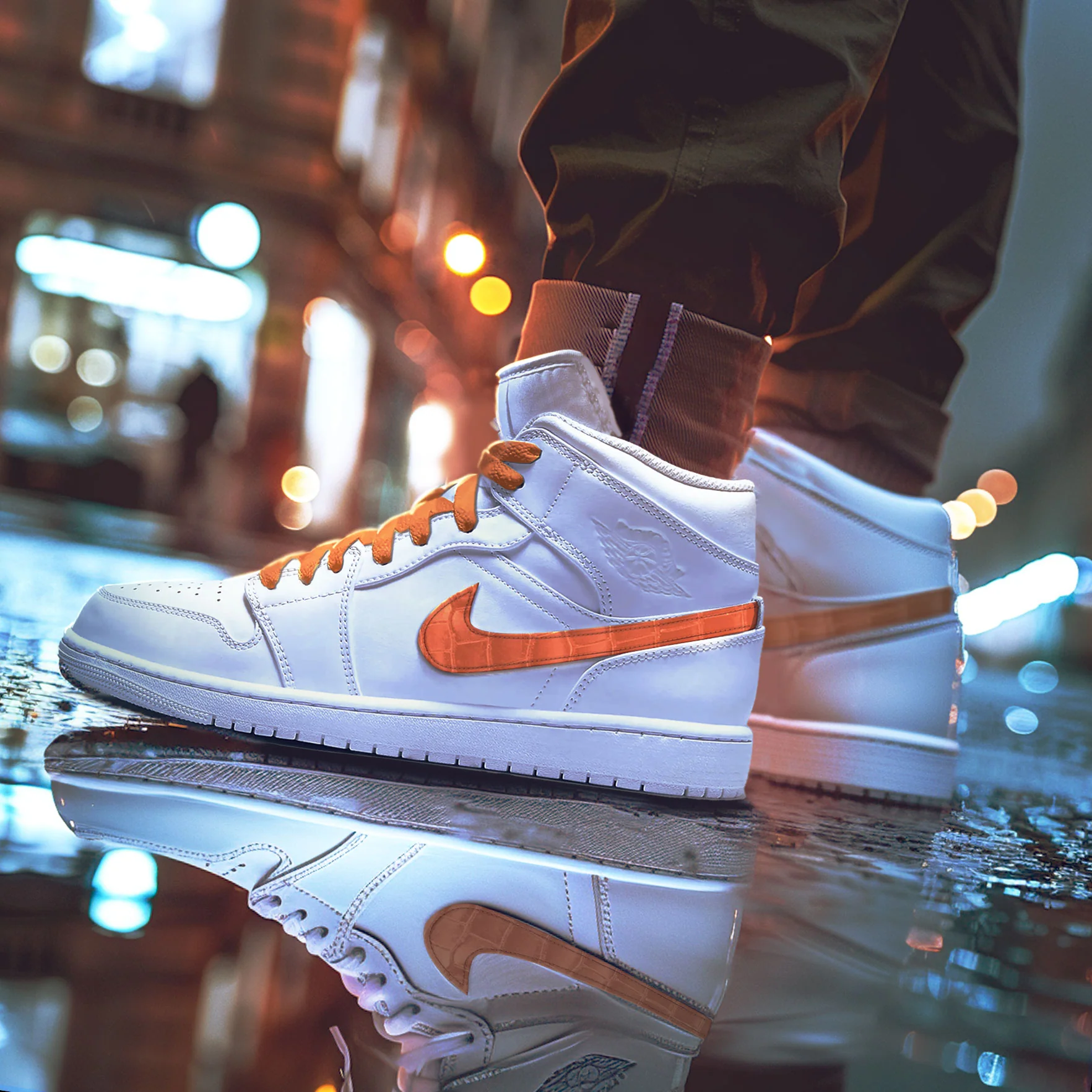
Nike took a risk—and created Air Jordan.
What started as a single sneaker line grew into a cultural empire.
By 1997, Jordan officially became its own Nike sub-brand: Jordan Brand.
You can still see this relationship clearly on the official site:
Jordan Brand
From a business standpoint, Jordan has always been Nike’s creation.
Is Jordan Still Owned by Nike Today?
Yes. Today:
- Nike owns all Jordan trademarks
- Nike controls manufacturing and distribution
- Jordan operates inside Nike’s corporate structure
- Revenue flows through Nike
There has been no public or private change in ownership.
What people often misinterpret as “separation” is actually brand autonomy—
Jordan is allowed to:
- build its own campaigns
- manage its own athletes
- shape its own culture
But ownership remains with Nike.
Why Jordan Feels Independent
Jordan feels separate because it has:
- its own logo (Jumpman)
- its own athlete roster
- its own storytelling
- its own cultural position
From my perspective, Jordan achieved what most sub-brands never do:
It outgrew the shadow of its parent.
People say:
- “I’m wearing Jordans,” not “I’m wearing Nike.”
That emotional separation creates the illusion of independence.
Jordan Brand vs Nike: How They Operate
| Area | Jordan Brand | Nike (Main Line) |
|---|---|---|
| Ownership | Nike | Nike |
| Core Story | Michael Jordan | Performance innovation |
| Logo | Jumpman | Swoosh |
| Focus | Basketball + lifestyle | All sports |
| Culture | Icon-driven | Tech-driven |
They share infrastructure—but not identity.
Jordan is Nike’s most successful sub-brand experiment.
What This Means for Buyers
Understanding this helps you:
- trust product authenticity
- understand pricing strategy
- read brand positioning correctly
Jordan products are:
- designed under Nike standards
- produced in Nike-authorized factories
- backed by Nike’s global QC
From my experience, Jordan combines:
Nike’s industrial power + Michael Jordan’s cultural gravity.
That’s why it’s unmatched.
FAQ
Has Nike ever sold part of Jordan Brand?
No. Jordan Brand has always remained under Nike.
Is Jordan a separate company?
No. It is a Nike division.
Why does Jordan have its own site and campaigns?
Because Nike grants it brand autonomy.
Could Jordan ever become independent?
There is no public indication of that.
Conclusion
So, is Jordan Brand still owned by Nike?
Yes—completely and continuously.
From my perspective, the real story isn’t ownership.
It’s that Jordan became so powerful it no longer feels like a sub-brand.
That’s not separation.
That’s success.
Internal Reference
For insight into how global brands structure sub-brands and scale them into independent cultural identities, visit fukiapparel.