
If you’ve ever asked “Is Jordan a luxury brand?”, you’re really asking where Jordan fits in the fashion world.
Is it streetwear? Sportswear? Or does it belong next to Gucci and Louis Vuitton?
From my experience working around apparel and brand positioning, Jordan sits in a unique middle zone.
It’s not traditional luxury—but it carries luxury-level cultural value.
This article explains what Jordan really is, how it compares to luxury brands, and whether you should treat it like one.
Table of Contents
- Quick Answer
- What “Luxury” Really Means in Fashion
- Where Jordan Fits on the Spectrum
- Why Jordans Feel “Luxury” to Many People
- Jordan vs Traditional Luxury Brands
- Should You Treat Jordan as Luxury?
- FAQ
- Conclusion
- Internal Reference
Quick Answer
No—Jordan is not a traditional luxury brand.
But in sneaker and streetwear culture, it often functions like one.
Jordan is best described as:
A premium lifestyle brand with luxury-level cultural status.
It’s built on sports heritage, not haute couture.
Yet many Jordans are priced, collected, and respected like luxury items.
What “Luxury” Really Means in Fashion
In fashion, “luxury” usually means:
- heritage craftsmanship
- premium materials
- limited production
- high price points
- brand history rooted in fashion houses
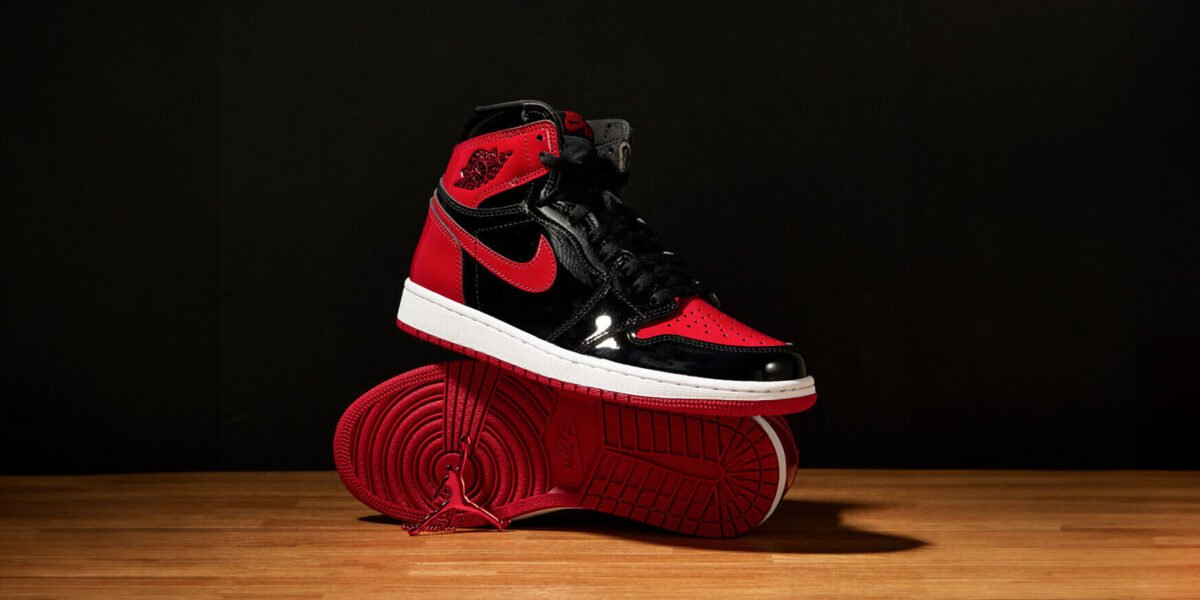
Think brands like:
- Louis Vuitton
- Gucci
- Dior
- Hermès
These brands sell:
- craftsmanship
- exclusivity
- tradition
Jordan, on the other hand, was born in sports, not ateliers.
Where Jordan Fits on the Spectrum
Jordan sits between three worlds:
- Sportswear
- Streetwear
- Luxury culture
It’s not luxury by origin—but it behaves like luxury in the market.
You can see how Jordan presents itself here:
Jordan Brand
From my perspective, Jordan is a cultural luxury brand:
- Not built on tailoring
- Built on legacy
- Powered by scarcity
- Driven by identity
That’s why people line up, resell, and collect.
Why Jordans Feel “Luxury” to Many People
This section explains the emotional effect.
Jordans feel luxurious because they offer:
- limited drops
- high resale value
- iconic storytelling
- social status
- emotional attachment
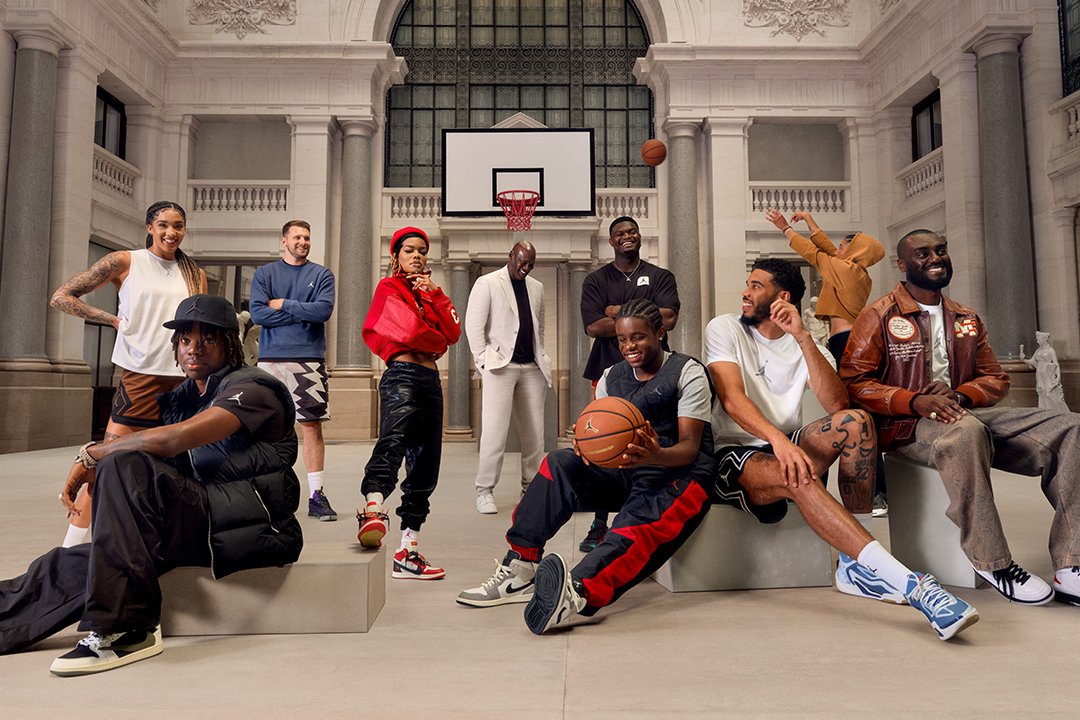
For many buyers, owning a pair of rare Jordans feels like owning:
- a Rolex
- a designer bag
- a collectible watch
Not because of leather quality—but because of meaning.
From my experience, people don’t just wear Jordans.
They treasure them.
Jordan vs Traditional Luxury Brands
| Factor | Jordan Brand | Traditional Luxury |
|---|---|---|
| Origin | Sports & culture | Fashion houses |
| Core Value | Legacy & identity | Craft & heritage |
| Materials | Performance-focused | Premium textiles |
| Scarcity | Drop-based | Season-based |
| Cultural Power | Street-driven | Elite-driven |
Jordan isn’t luxury by construction.
It’s luxury by cultural weight.
Should You Treat Jordan as Luxury?
This section helps readers decide.
Treat Jordan as Luxury If You:
- collect rare releases
- value cultural meaning
- protect and preserve pairs
- see sneakers as assets
Treat Jordan as Streetwear If You:
- wear them daily
- care more about comfort
- buy general releases
- avoid resale culture
From my perspective, Jordan is flexible.
You decide whether it lives in your closet—or in a display case.
FAQ
Is Jordan considered high-end?
In sneaker culture, yes. In traditional fashion, no.
Why are some Jordans more expensive than luxury shoes?
Because of scarcity, demand, and resale markets.
Are Jordans better quality than luxury sneakers?
They’re different—performance-focused rather than craft-focused.
Is Jordan premium?
Yes. It is positioned above standard sportswear.
Conclusion
So, is Jordan a luxury brand?
Not by fashion definition.
Yes by cultural reality.
From my experience, Jordan proves that luxury isn’t only about fabric and tailoring.
It’s about story, identity, and desire.
And few brands create desire like Jordan.
Internal Reference
For insight into how premium streetwear and sportswear products are developed and scaled for global brands, visit fukiapparel.