
This is a question I hear a lot—especially from buyers who care about where their money goes:
Is Denim Tears a Black-owned brand?
The short answer is: Yes.
Denim Tears is founded and owned by Tremaine Emory, a Black creative director whose work centers on Black history, culture, and identity. But what makes Denim Tears truly special isn’t just who owns it—it’s how ownership shapes everything the brand creates.
From my experience working in apparel and brand development, ownership isn’t symbolic. It defines the story, the intention, and the long-term direction of a brand.
Table of Contents
- Quick Answer
- Who Owns Denim Tears?
- Why Black Ownership Matters Here
- How That Shows Up in the Product
- Denim Tears vs. “Inspired-By” Brands
- Brand Comparison Table
- Who Should Support Denim Tears?
- FAQ
- Conclusion
- Internal Reference
Quick Answer
Yes—Denim Tears is a Black-owned brand.
It is founded and led by Tremaine Emory, whose mission is to use fashion as a medium to tell Black American history and cultural truth.
Denim Tears isn’t “inspired by” Black culture.
It is created from within it.
Who Owns Denim Tears?
Denim Tears was created by Tremaine Emory, a creative director known for shaping modern culture behind the scenes.
He has worked with:
- Kanye West
- Supreme
- Stüssy
- Major global fashion houses
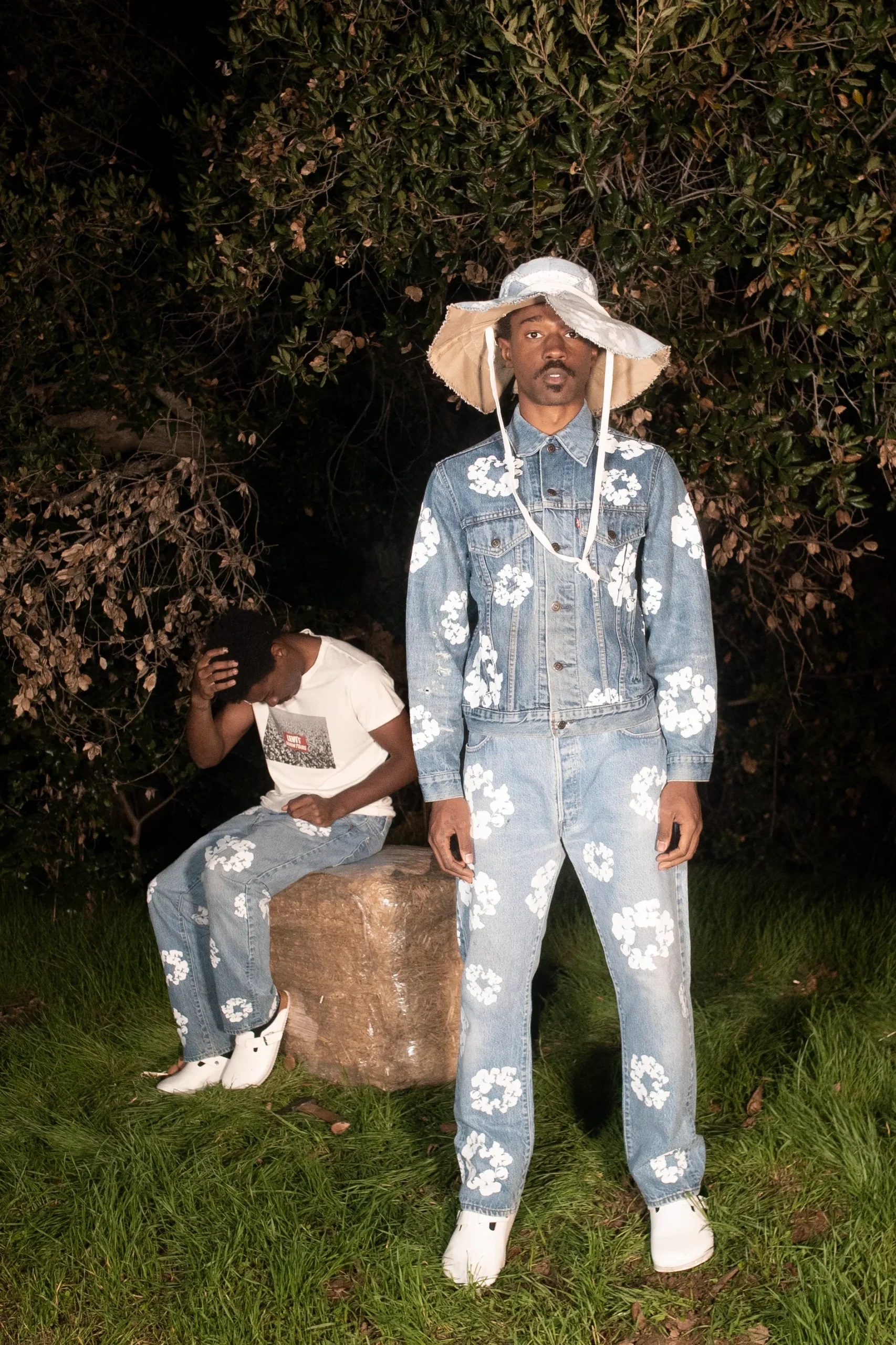
Yet Denim Tears is his most personal project—built not for hype, but for heritage.
You’ll find detailed coverage of his role in publications like
Highsnobiety and Hypebeast.
Why Black Ownership Matters Here
Many brands reference Black culture.
Very few are controlled by Black creators.
That difference matters because:
- The narrative stays authentic
- The message isn’t diluted
- The profit loop stays aligned with the story
- The brand isn’t filtered through outside comfort
Denim Tears doesn’t ask permission to be honest.
It speaks directly.
How That Shows Up in the Product
From a production perspective, this ownership shows in:
- The cotton wreath symbol (American slavery and labor)
- Historical references in graphics
- Intentional pacing of drops
- Resistance to trend-chasing
- Focus on meaning over volume
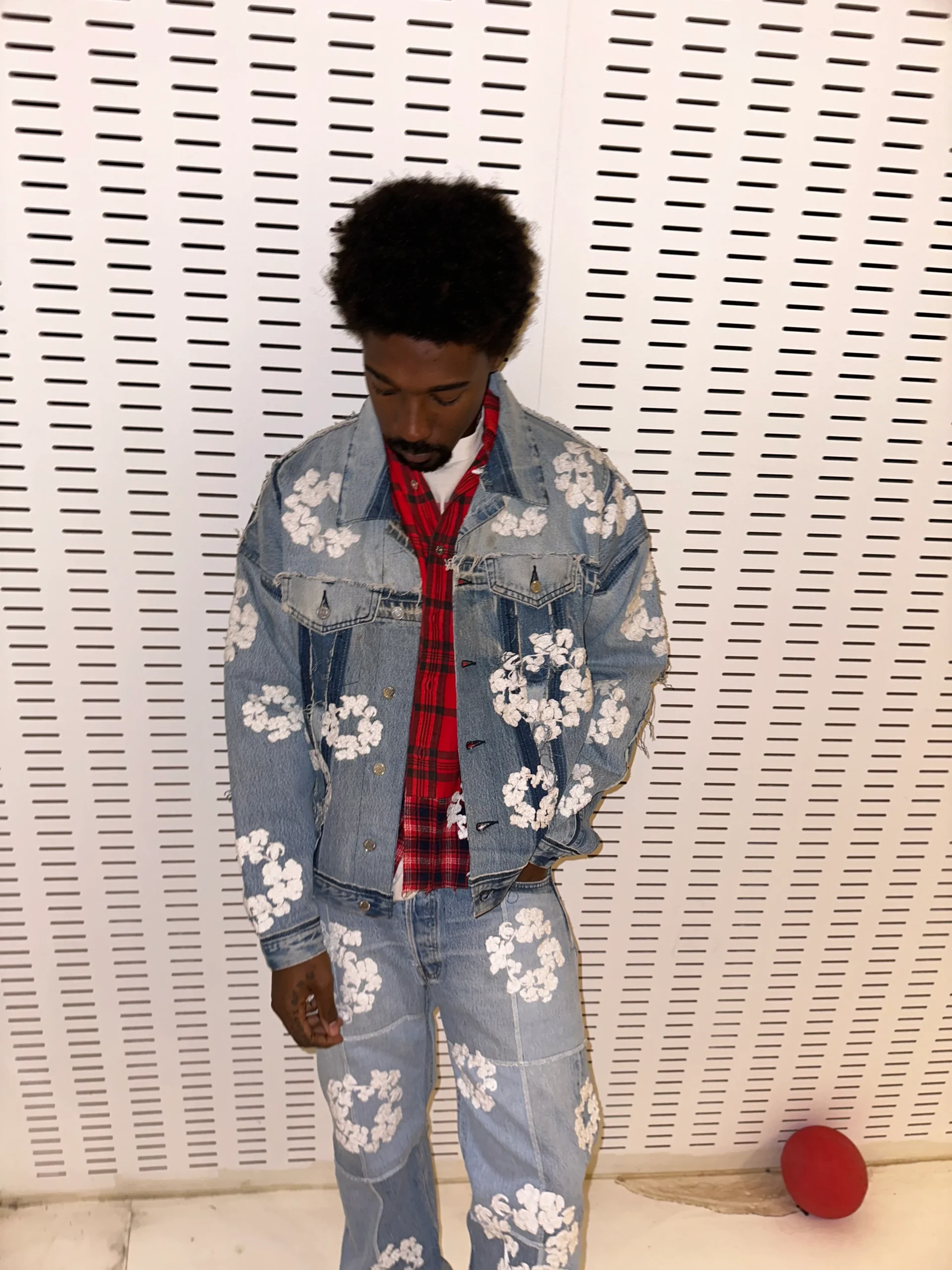
These choices aren’t marketing tactics—they’re worldview.
Denim Tears vs. “Inspired-By” Brands
| Brand Type | Relationship to Culture | Who Controls the Story |
|---|---|---|
| Trend-driven brands | Borrow aesthetics | Corporations |
| Celebrity merch | Leverage identity | Public figures |
| Denim Tears | Lives inside the culture | Black creator |
Denim Tears doesn’t imitate—it originates.
Brand Comparison Table
| Brand | Ownership | Cultural Depth | Core Purpose |
|---|---|---|---|
| Fast fashion | Corporate | Low | Speed & margin |
| Hype brands | Mixed | Medium | Visibility |
| Denim Tears | Black-owned | High | Story & legacy |
Who Should Support Denim Tears?
Denim Tears is for people who:
- Care about where stories come from
- Want fashion with meaning
- Support creator-led brands
- Value authenticity over trends
If you believe clothing can carry history, this brand makes sense.
FAQ
Is Denim Tears fully Black-owned?
Yes. The brand is founded and led by Tremaine Emory.
Is it just a “political” brand?
No. It’s a cultural brand—history is part of its DNA.
Does buying Denim Tears support Black creators?
Directly. You are supporting a creator-controlled brand.
Conclusion
Yes—Denim Tears is a Black-owned brand.
But more importantly, it’s a brand that proves:
Ownership changes everything.
It changes the message.
It changes the pacing.
It changes the purpose.
You’re not just wearing clothing.
You’re supporting a voice.
Internal Reference
If you’re building a brand rooted in culture and authenticity, explore how creator-led apparel is developed at fukiapparel.