
If you’ve ever wondered “How do I know if my Jordans are fake?”, you’re not alone.
From my experience working around footwear production and quality control, even seasoned buyers get fooled—because modern replicas are very good.
The goal of this guide is simple:
Help you spot fake Jordans quickly, confidently, and without needing expert tools.
This is not theory. These are the same checkpoints factories and QC teams use.
Table of Contents
- Quick Answer
- Check the Box First
- Inspect the Shape & Build
- Examine the Logo Details
- Feel the Materials
- Look at the Stitching
- Compare With Official Images
- Real vs Fake Jordan: Quick Comparison
- What to Do If You’re Unsure
- FAQ
- Conclusion
- Internal Reference
Quick Answer
Fake Jordans usually reveal themselves through small inconsistencies—box labels, logo shape, material feel, stitching quality, and overall proportions.
Real Jordans feel intentional.
Fakes often feel almost right.
That “almost” is what you’re learning to catch.
Check the Box First
Before you even touch the shoes, inspect the packaging.
What to Look For:
- Correct model name
- Accurate colorway
- Clean printing (no blur or smudge)
- Matching size labels (box vs shoe)
- Proper barcode formatting
Common red flags:
- Misspelled model names
- Wrong release year
- Box looks reused or flimsy
- Label font feels off
From my experience, many fakes fail at the box stage.
Inspect the Shape & Build
Authentic Jordans have precise proportions.
Look at:
- Toe box height
- Heel curve
- Collar shape
- Overall symmetry
Fakes often show:
- Bulky toes
- Flat heels
- Uneven silhouettes
- Awkward angles
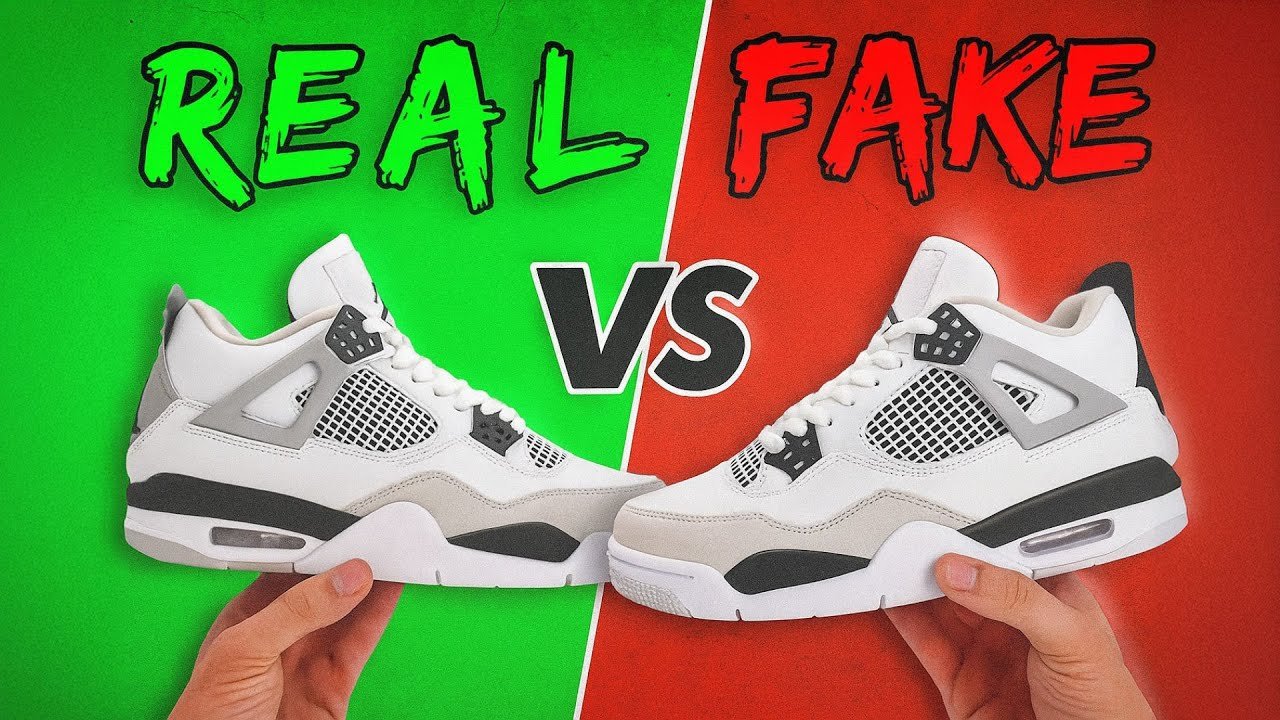
Real Jordans look balanced from every angle.
Examine the Logo Details
This is where most replicas fail.
Jumpman Logo
Check:
- Finger separation
- Arm angle
- Ball size
- Leg proportions
On fakes, the Jumpman often looks:
- Too thick
- Too thin
- Slightly deformed
- Off-center
Even small distortions matter.
Feel the Materials
This is something photos can’t hide.
Real Jordans use:
- Structured leather
- Responsive foam
- Durable mesh
- Consistent textures
Fakes often feel:
- Too soft or plastic-like
- Overly stiff
- Hollow
- Cheap under pressure
From my experience, the touch test reveals more than any photo.
Look at the Stitching
Authentic Jordans show:
- Even spacing
- Clean thread paths
- No loose ends
- Consistent tension
Fakes often have:
- Wavy lines
- Thread fraying
- Uneven gaps
- Sloppy joins
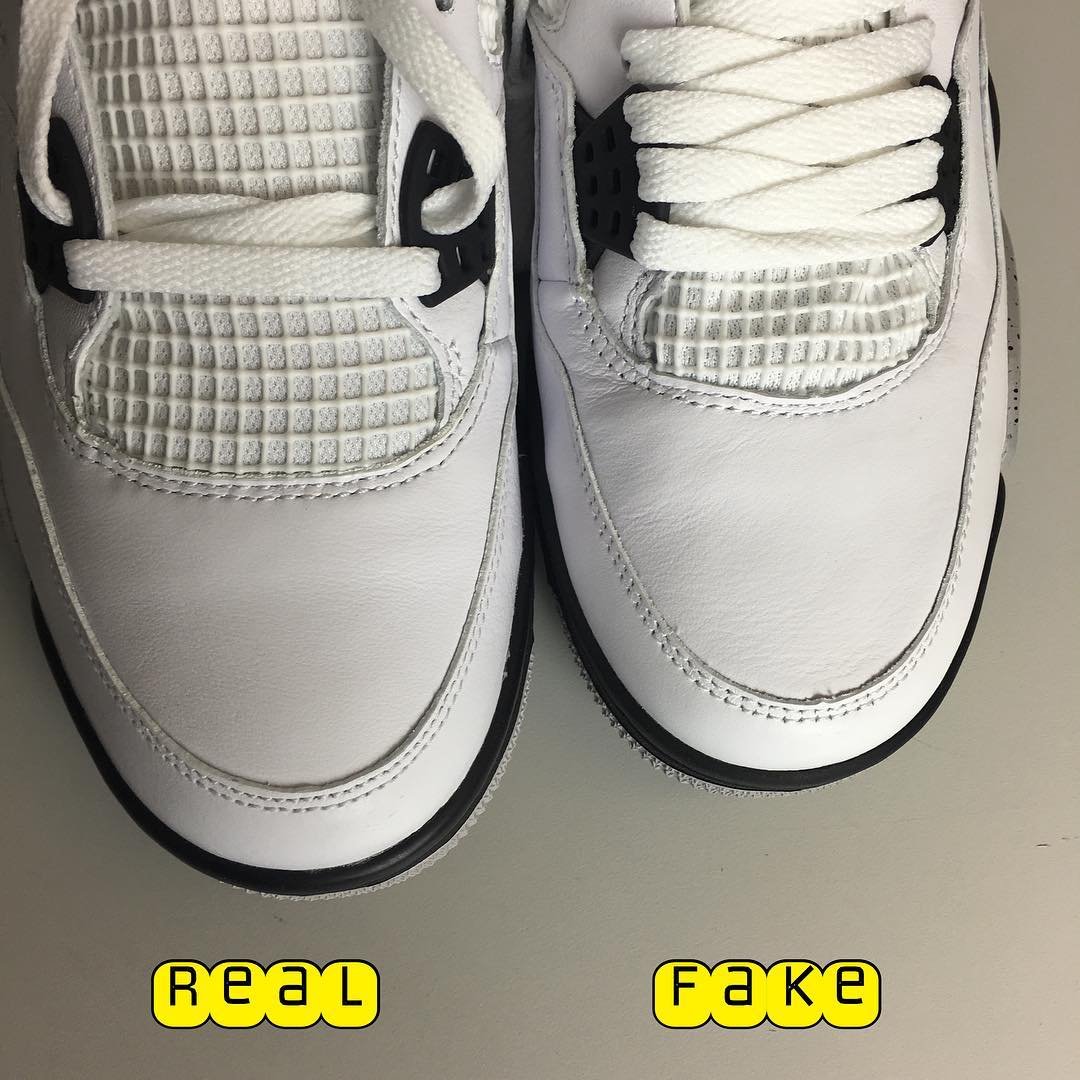
This is where factory discipline shows.
Compare With Official Images
Always cross-check with official sources:
- Jordan Brand
- Nike product pages
- Trusted sneaker retailers
Compare:
- Color tone
- Panel placement
- Texture
- Shape
Never rely on seller photos alone.
Real vs Fake Jordan: Quick Comparison
| Feature | Real Jordan | Fake Jordan |
|---|---|---|
| Box label | Precise & clean | Blurry or wrong |
| Shape | Balanced | Awkward |
| Jumpman | Sharp & correct | Distorted |
| Materials | Structured | Cheap-feeling |
| Stitching | Even | Messy |
| Overall feel | Solid | Hollow |
One feels engineered.
The other feels assembled.
What to Do If You’re Unsure
If something feels off:
- Compare with official images
- Ask sneaker communities
- Use authentication services
- Avoid “too good to be true” deals
From my experience, price is the first red flag.
Authentic Jordans rarely come cheap.
FAQ
Can fake Jordans be very close to real ones?
Yes. Some replicas are extremely convincing.
Is the box always reliable?
No, but it’s often the first place mistakes appear.
Are online marketplaces safe?
Only with buyer protection and authentication.
Do real Jordans ever have flaws?
Yes—but flaws are consistent, not chaotic.
Conclusion
Identifying fake Jordans isn’t about memorizing one detail.
It’s about learning to see consistency.
Real Jordans feel intentional—
in shape, in materials, in execution.
Fakes feel like they’re trying.
Once you train your eye, the difference becomes obvious.
Internal Reference
For insight into how authentic footwear and streetwear products are engineered and quality-checked at scale, visit fukiapparel.