
If you’re asking “How do I authenticate a Stone Island jacket?”, you’re already doing the right thing.
Stone Island is one of the most copied brands in streetwear, and from my experience working with garments and trims, most fakes fail in the details—not the logo.
This guide shows you exactly what to check, in the right order, so you can decide with confidence.
Table of Contents
- Quick Answer
- Start With the Certilogo Code
- Inspect the Compass Badge
- Check Labels & Typography
- Examine Fabric & Construction
- Compare Packaging & Extras
- Real vs Fake: Quick Checklist
- Should You Still Buy It?
- FAQ
- Conclusion
- Internal Reference
Quick Answer
The fastest and most reliable way to authenticate a Stone Island jacket is by scanning the Certilogo code inside the garment.
Then confirm it with:
- badge quality
- label accuracy
- fabric feel
- construction precision
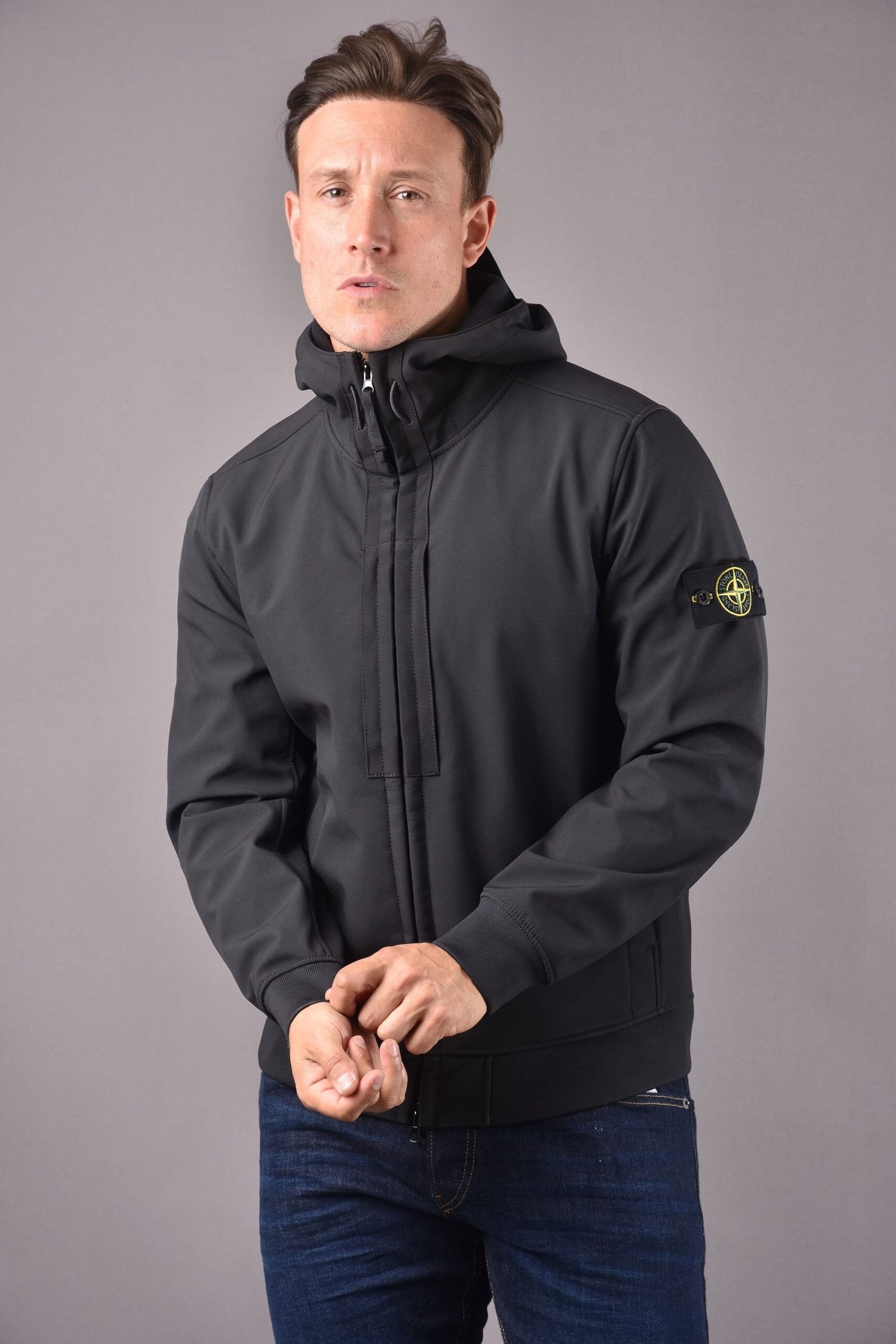
Fakes often copy one element well.
They almost never copy all of them.
Start With the Certilogo Code
Modern Stone Island jackets include a Certilogo tag.
Steps:
- Locate the Certilogo label inside the jacket
- Visit the official page via the QR or:
Stone Island - Enter the code
Results:
- “Authentic” → continue checking
- “Unknown” or “Invalid” → treat with caution
From my experience, many high-grade fakes now use copied codes, so this step is necessary—but not sufficient.
Inspect the Compass Badge
The badge is the most cloned part—and also the easiest to get wrong.
Check:
- Stitch density (tight and even)
- Thread color (clean olive, not yellowish)
- Button weight (metal, not plastic)
- Edge finish (sharp, not fuzzy)

A real badge feels engineered.
A fake badge feels printed.
Check Labels & Typography
Look at:
- neck label
- care label
- inner branding
Real labels:
- use consistent spacing
- have clean letter edges
- show no ink bleed
- align perfectly
Fakes often:
- compress letters
- misalign rows
- use thinner ink
- blur at corners
Typography errors are one of the strongest red flags.
Examine Fabric & Construction
Stone Island jackets feel technical even when simple.
Touch test:
- weight consistency
- surface tension
- coating smoothness
- panel alignment
Construction test:
- straight seams
- even stitch length
- no loose threads
- reinforced stress points
From my production experience, real Stone Island garments feel intentional in every panel.
Compare Packaging & Extras
Authentic jackets often include:
- spare buttons
- branded hangtags
- product cards
Fakes may:
- omit extras
- use generic paper
- mismatch seasons
These small pieces are expensive to copy correctly.
Real vs Fake: Quick Checklist
| Checkpoint | Authentic | Fake |
|---|---|---|
| Certilogo | Verifies | Errors or reused |
| Badge | Dense & clean | Soft & uneven |
| Labels | Sharp typography | Blurry or cramped |
| Fabric | Technical feel | Flat or cheap |
| Seams | Precise | Inconsistent |
If more than two columns fall on the “Fake” side—walk away.
Should You Still Buy It?
Buy with confidence if:
- Certilogo verifies
- badge quality matches
- labels are clean
- fabric feels technical
Avoid if:
- seller avoids photos
- code won’t verify
- price feels unreal
- details feel rushed
Stone Island is about process.
If the jacket feels careless—it probably is.
FAQ
Do all Stone Island jackets have Certilogo?
Most modern ones do. Vintage pieces may not.
Can Certilogo be faked?
Yes—codes can be copied. Always cross-check physical details.
Is the badge removable on real jackets?
Yes, many styles allow removal.
Are all fakes obvious?
No. High-grade fakes exist—but they still miss subtle construction cues.
Conclusion
Authenticating a Stone Island jacket isn’t about one trick.
It’s about layered verification.
From my experience, real Stone Island garments feel like equipment—
precise, engineered, deliberate.
If a jacket feels vague, rushed, or soft in its details, trust that instinct.
Internal Reference
For insight into how technical garments are built and quality-controlled at factory level, explore fukiapparel.