
Short answer: Gallery Dept sits between streetwear and high fashion.
It isn’t a traditional luxury house like Gucci or Dior, but it operates with the creative mindset, pricing, and exclusivity of high fashion—just without the runway rules.
In this article, I’ll break down why Gallery Dept is often labeled “high fashion,” what actually qualifies as high fashion today, and where the brand truly sits—from a real industry perspective.
Table of Contents
- Quick Answer
- What Does “High Fashion” Really Mean?
- Where Gallery Dept Fits in Fashion
- Why Gallery Dept Is Often Considered High Fashion
- Gallery Dept vs Traditional High Fashion Houses
- Is Gallery Dept Luxury or Streetwear?
- Who Gallery Dept Is Actually For
- FAQ
- Conclusion
- Internal Reference
Quick Answer
Gallery Dept is not traditional high fashion, but it is often treated as high fashion due to its artistic approach, limited production, and cultural influence.
It lives in the space between artwear, luxury streetwear, and conceptual fashion.
Official site:
👉 https://gallerydept.com
What Does “High Fashion” Really Mean?
Traditionally, high fashion refers to:
- Luxury heritage houses
- Couture or runway-driven design
- Seasonal collections
- Large fashion institutions (e.g., Dior, Chanel)
However, modern fashion has evolved.
Today, high fashion can also mean:
- Cultural influence
- Artistic originality
- Limited access
- Creative authority
This is where Gallery Dept enters the conversation.
Where Gallery Dept Fits in Fashion
Gallery Dept does not follow traditional fashion calendars or couture systems.
Instead, it operates as:
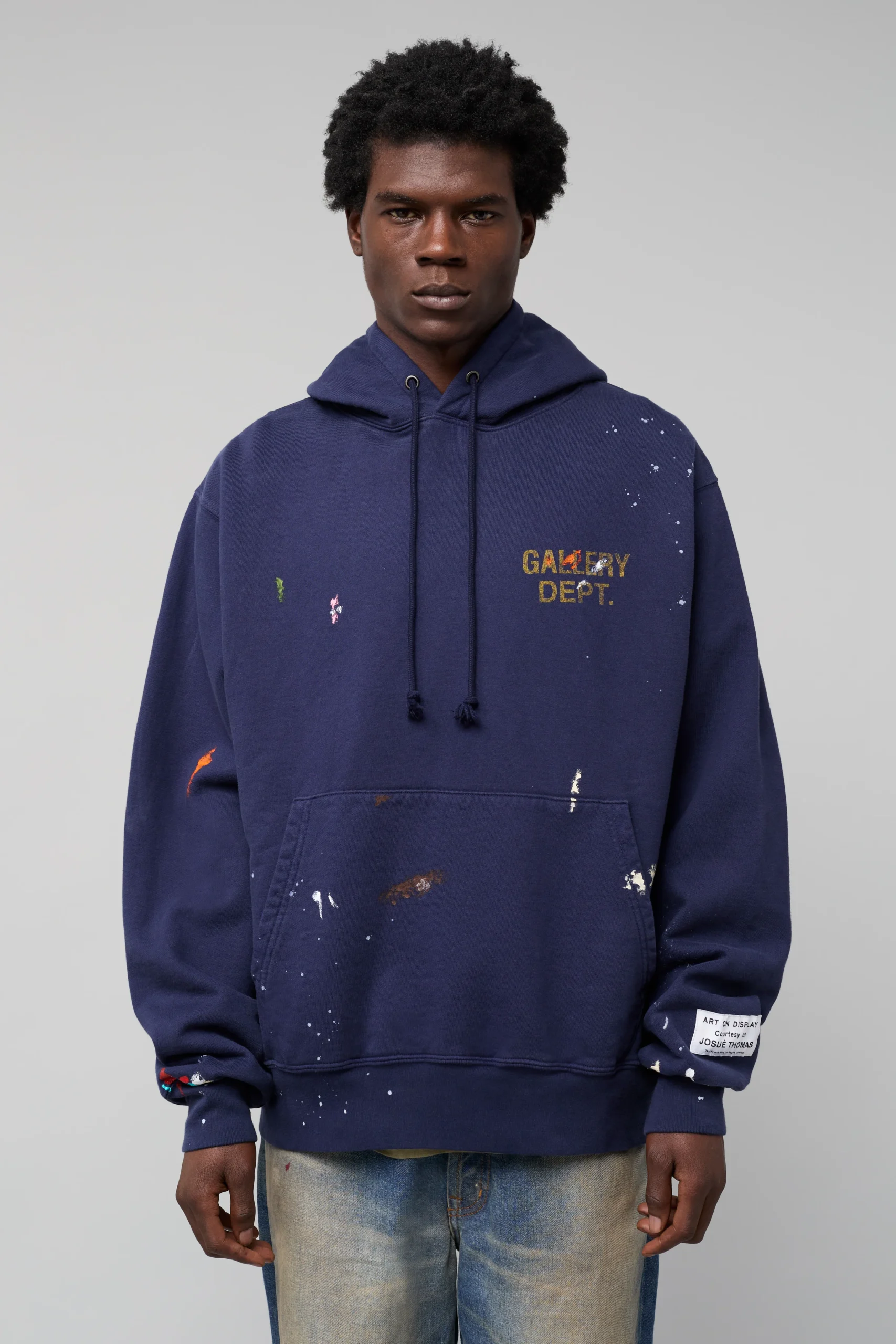
- An art-first fashion label
- A cultural studio rather than a brand
- A limited-production creative platform
From an industry perspective, it fits best in luxury streetwear with artistic intent.
Why Gallery Dept Is Often Considered High Fashion
1. Art-Led Design Philosophy
Gallery Dept treats clothing as canvas, not product.
Each piece often features:
- Hand painting
- Distressing
- Reconstruction
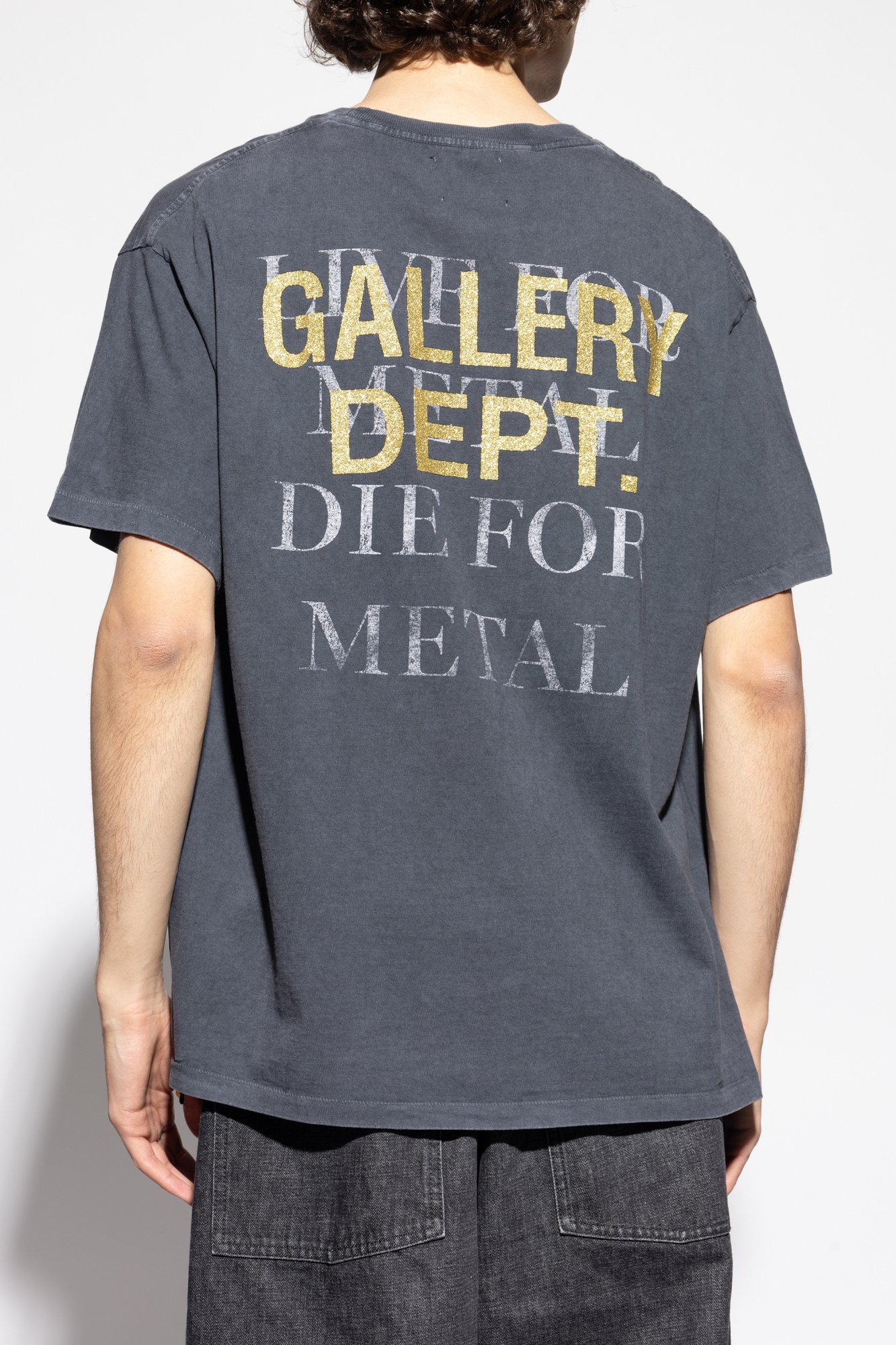
That level of intervention mirrors haute couture thinking—just in a streetwear form.
2. Limited Production and Scarcity
Unlike mass brands, Gallery Dept produces in small batches.
This scarcity:
- Raises perceived value
- Increases collectibility
- Aligns with high-fashion economics
3. Cultural Authority Over Trend Chasing
High fashion leads culture; it doesn’t follow it.
Gallery Dept:
- Sets its own aesthetic
- Avoids seasonal trends
- Builds long-term identity
That’s a key high-fashion trait.
Gallery Dept vs Traditional High Fashion Houses
| Category | Gallery Dept | Traditional High Fashion |
|---|---|---|
| Structure | Independent | Corporate (LVMH, Kering) |
| Design process | Art-driven | Seasonal runway |
| Production | Small-batch | Large-scale |
| Identity | Experimental | Heritage-based |
| Pricing logic | Cultural value | Brand legacy |
Is Gallery Dept Luxury or Streetwear?
Gallery Dept exists between the two.
It’s:
- Too artistic to be mainstream streetwear
- Too raw to be classical luxury
Think of it as art-fashion, not streetwear or couture.
Who Gallery Dept Is Actually For
Gallery Dept appeals most to:
- Creative professionals
- Art collectors
- Fashion insiders
- People who value expression over status
It’s less about logos—and more about intent.
FAQ
Is Gallery Dept considered luxury fashion?
Not traditionally, but it occupies a luxury-level price and cultural space.
Why is Gallery Dept expensive?
Because of hand-modified production, scarcity, and creative value.
Is Gallery Dept more art than fashion?
Yes—many see it as wearable art rather than a clothing brand.
Conclusion
Gallery Dept is considered high fashion not because of runways or heritage—but because of artistic integrity, scarcity, and cultural relevance.
It’s fashion for people who value creativity over convention.
Internal Reference
To explore how art-driven fashion brands translate creativity into production, visit 👉
FuKi Apparel