
Table of Contents
- Quick Answer
- Why Converse Feel Uncomfortable
- The Biggest Comfort Problems Explained
- Why Some People Still Love Them
- Converse vs Supportive Sneakers
- How to Make Converse More Comfortable
- Who Should Avoid Converse
- FAQ
- Conclusion
- Internal Reference
Quick Answer
Converse often feel uncomfortable because they:
- lack arch support
- have minimal cushioning
- offer poor shock absorption
They were originally designed as old-school basketball shoes, not modern ergonomic sneakers.
Why Converse Feel Uncomfortable
From a footwear design perspective, Converse prioritize:
- simplicity
- durability
- iconic style
—not comfort engineering.
Here’s what that means structurally:
- flat rubber sole
- thin insole
- minimal heel structure
- no built-in arch support
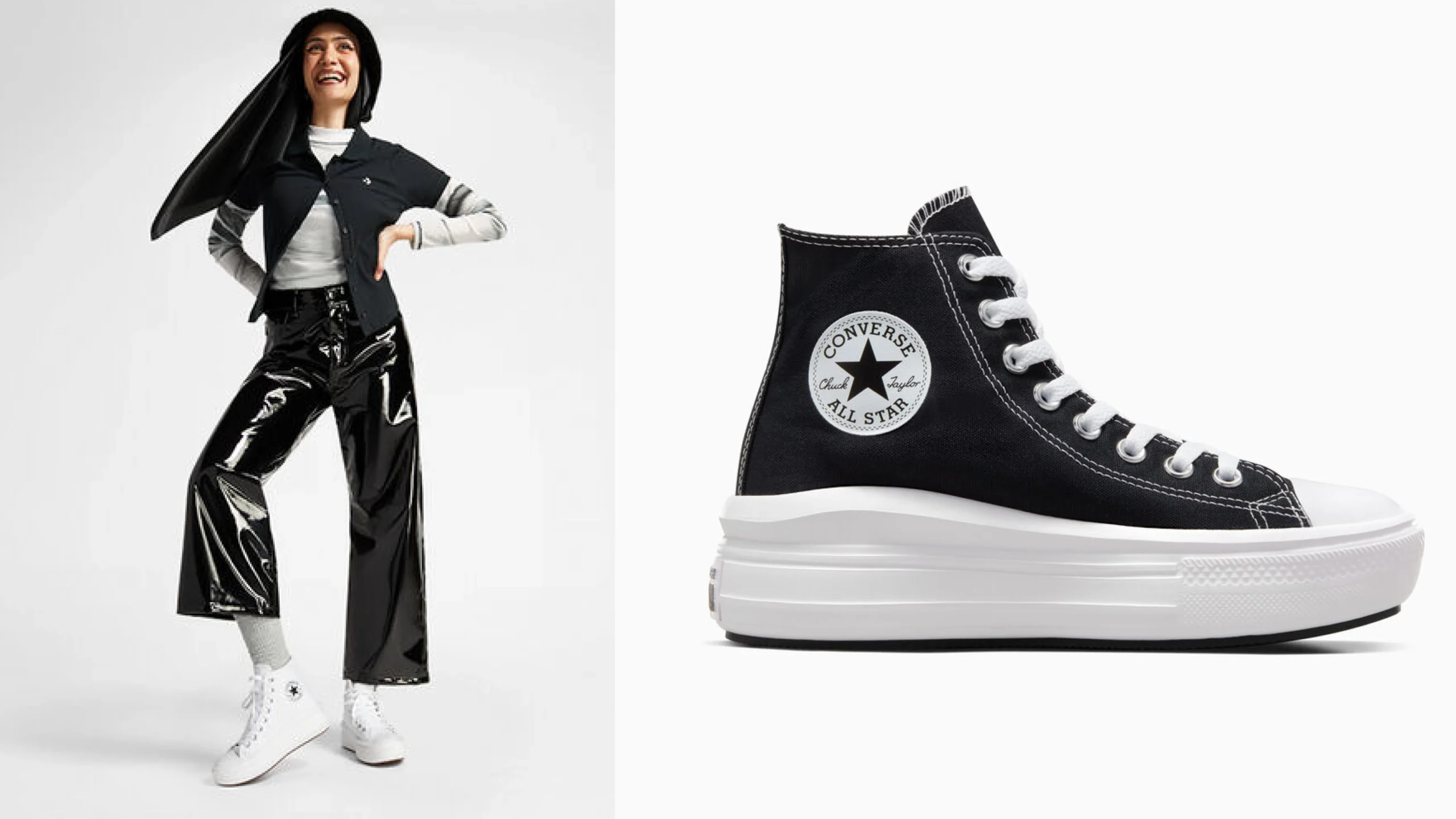
These design choices lead to fatigue, especially during long periods of wear.
The Biggest Comfort Problems Explained
1. Flat Footbed
Converse are almost completely flat.
- no arch contour
- no support for plantar fascia
This can lead to foot strain over time.
2. Thin Cushioning
The midsole provides very little padding.
- poor shock absorption
- harder impact on concrete surfaces
3. Narrow Toe Box
Some versions feel tight in the front.
- especially noticeable for wider feet
- can cause pressure during walking
4. Minimal Heel Support
The heel area lacks structure.
- less stability
- more ankle fatigue
Why Some People Still Love Them
Even with comfort issues, Converse remain extremely popular.
Reasons include:
- lightweight feel
- easy styling
- strong cultural identity
- break-in over time
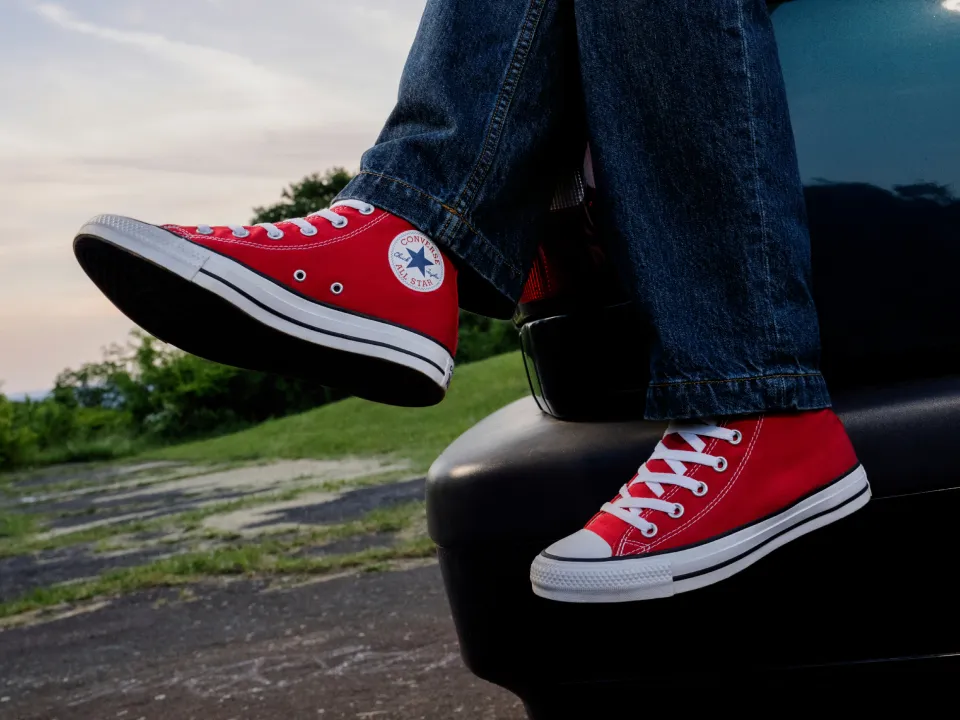
For many people, style outweighs comfort.
Converse vs Supportive Sneakers
| Feature | Converse | Supportive Sneakers |
|---|---|---|
| Cushioning | Low | High |
| Arch Support | Minimal | Structured |
| Shock Absorption | Poor | Excellent |
| Long Wear Comfort | Low | High |
This is why running shoes or performance sneakers feel significantly better for long use.
How to Make Converse More Comfortable
If you like the look but want better comfort:
- add cushioned insoles
- wear thicker socks
- limit long walking sessions
- choose Chuck 70s (better padding than standard models)
Small adjustments can improve comfort noticeably.
Who Should Avoid Converse
You may want to avoid Converse if you:
- have flat feet
- suffer from plantar fasciitis
- stand or walk all day
- need orthopedic support
For these cases, supportive footwear is a better choice.
FAQ
Why do Converse hurt my feet?
Because they lack cushioning and arch support.
Are Converse bad for long-distance walking?
Yes — they are not designed for extended walking or impact absorption.
Do Converse get more comfortable over time?
Slightly, but they never become highly supportive.
Conclusion
So, why are Converse so uncomfortable?
Because they are built for style—not support.
They work well for:
- short wear
- casual outfits
- everyday styling
But they are not ideal for:
- long walks
- all-day standing
- high-impact use
Understanding this helps you wear them for the right situations.
Internal Reference
If you want to understand how footwear construction affects comfort, durability, and performance, explore 👉 FuKi Apparel
Because in footwear, design choices directly impact how your body feels.