
Short answer: No—Vans shoes are generally not expensive.
They are considered affordable to mid-range footwear, especially when compared to designer sneakers or performance sports shoes.In this article, I’ll explain how much Vans really cost, why some pairs feel more expensive than others, and whether Vans are worth the price for different types of buyers—in clear, practical terms based on real-world experience.
Table of Contents
- Quick Answer
- How Much Do Vans Shoes Usually Cost?
- Why Some Vans Feel More Expensive
- Vans vs Other Sneaker Brands (Price Comparison)
- Are Vans Worth the Price?
- Who Vans Are a Good Fit For
- When Vans Might Feel Overpriced
- FAQ
- Conclusion
- Internal Reference
Quick Answer
Vans shoes are not expensive.
Most Vans sneakers fall into the budget-friendly or mid-range price category, making them accessible to students, casual wearers, and everyday users.
Official brand site:
👉 https://www.vans.com
How Much Do Vans Shoes Usually Cost?
From my experience buying and comparing Vans over the years, pricing is very consistent.
Typical Vans price ranges:
- Classic models: low to mid price range
- Skate models: slightly higher due to durability upgrades
- Collaborations: higher, but still below luxury sneaker pricing
In most markets, Vans cost far less than designer or premium lifestyle sneakers.
Why Some Vans Feel More Expensive
Some people are surprised by Vans pricing, and here’s why:
1. Collaborations and Limited Editions
Special drops and collaborations often cost more because of:
- Limited supply
- Special materials or graphics
- Brand partnerships
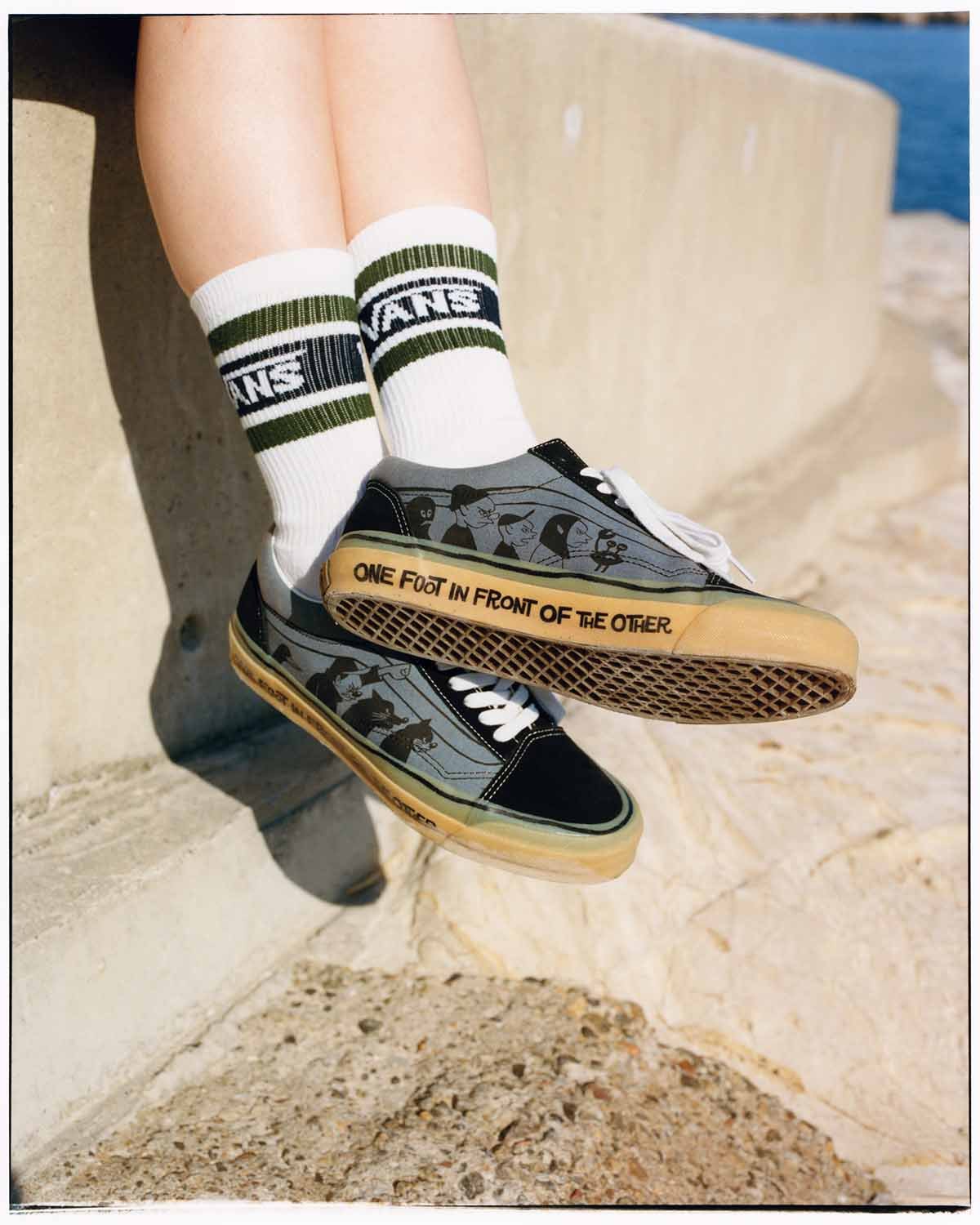
These are optional—not representative of Vans’ core pricing.
2. Skate-Focused Construction
Skate versions include:
- Reinforced uppers
- Better insoles
- Stronger rubber compounds
You’re paying for durability, not hype.
3. Regional Pricing Differences
In some countries, import taxes and retail markups make Vans look more expensive than they actually are in the US.
Vans vs Other Sneaker Brands (Price Comparison)
Here’s a simple comparison:
| Brand | Typical Price Level | Category |
|---|---|---|
| Vans | Low–mid | Casual / Skate |
| Converse | Low–mid | Casual |
| Nike (lifestyle) | Mid | Sports / Lifestyle |
| Adidas | Mid | Sports / Lifestyle |
| Designer sneakers | High–very high | Luxury |
Vans clearly sits on the affordable end of the sneaker market.
Are Vans Worth the Price?
In my opinion, Vans are worth the price if you understand what they’re designed for.
Vans make sense if you:
- Want casual, everyday sneakers
- Like skate or street style
- Value simplicity and comfort
- Don’t want to overspend on shoes
Vans may disappoint if you:
- Expect premium cushioning
- Want luxury materials
- Need technical running or training shoes

Vans are lifestyle shoes—not performance sneakers.
Who Vans Are a Good Fit For
Vans are ideal for:
- Students and young adults
- Casual daily wear
- Skateboarders and creatives
- People who value style over tech
They’re less ideal for:
- Long-distance walking
- Athletic training
- Buyers seeking luxury footwear
Matching the shoe to the use case is key.
When Vans Might Feel Overpriced
Vans can feel expensive only if expectations are wrong.
Common mismatches:
- Buying Vans for running or gym use
- Comparing them to performance sneakers
- Expecting luxury-level comfort
When used as intended, Vans pricing is fair.
FAQ
Are Vans shoes expensive?
No. Vans are generally affordable.
Why are some Vans more expensive than others?
Collaborations, skate features, and regional pricing.
Are Vans cheaper than Nike or Adidas?
Usually, yes—especially compared to premium lines.
Do Vans last long for the price?
Yes, particularly skate models.
Conclusion
So, are Vans shoes expensive?
The honest answer is:
- No—they’re affordable
- Priced for everyday wear
- Accessible compared to most sneaker brands
If you want casual style without high cost, Vans are a solid choice—as long as you use them for what they’re meant for.
Internal Reference
For readers interested in how casual footwear and streetwear shoes are designed, priced, and produced at scale from an OEM/ODM perspective, 👉 FuKi Apparel