
As someone who has followed the streetwear and art scene for years, I’ve seen OBEY evolve from a street art movement into a globally recognized clothing label.
And one question keeps coming up again and again:
“Who actually owns OBEY Clothing today?”
“Is Shepard Fairey still the owner?”
Here is the simple, beginner-friendly, factual explanation — based on industry knowledge and years of following the brand.
Table of Contents
- Quick Answer
- 1. Who originally founded OBEY Clothing?
- 2. Who owns OBEY Clothing today?
- 3. Does Shepard Fairey still have influence?
- 4. Why OBEY’s ownership structure matters
- 5. What has changed under the current ownership?
- 6. Who OBEY is still relevant for today
- Comparison Table: OBEY Before vs. OBEY Now
- FAQ
- Conclusion
- Work With a Reliable Streetwear OEM Partner
Quick Answer
OBEY Clothing is still independently owned and operated, co-founded by artist Shepard Fairey and partners who turned the Obey Giant art project into a fashion label.
Fairey is no longer involved in day-to-day operations, but his artistic identity and political voice still define the brand’s messaging.
OBEY is one of the few major streetwear brands not owned by a large corporation.
1. Who originally founded OBEY Clothing?
OBEY Clothing was launched in 2001 by:
- Shepard Fairey — world-famous street artist behind Obey Giant and the Obama HOPE poster
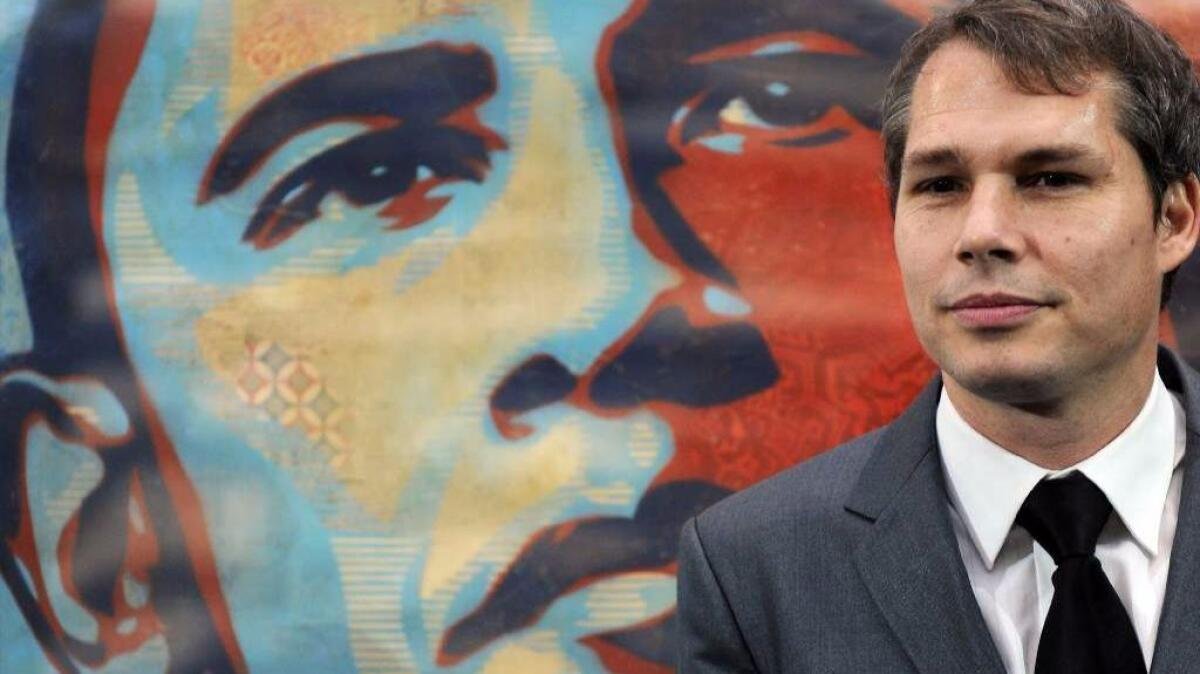
- Mike Ternosky
- Dave Kinsey
The brand started as an extension of Fairey’s street art movement, which explored propaganda, awareness, and questioning authority.
This artistic origin is what made OBEY feel different from mainstream streetwear.
2. Who owns OBEY Clothing today?
As of 2025:
OBEY remains privately owned
It is not owned by Nike, VF Corp, LVMH, or any major fashion conglomerate.
Founding partners still hold ownership and operational control
The business side is managed by leadership connected to the original team.
Shepard Fairey is still the artistic DNA of the brand
While not handling daily business decisions, he contributes:
- visual direction
- political messaging
- artistic collaborations
- brand integrity
OBEY remains one of the last large independent streetwear brands with a strong activist identity.
3. Does Shepard Fairey still have influence?
Yes — absolutely.
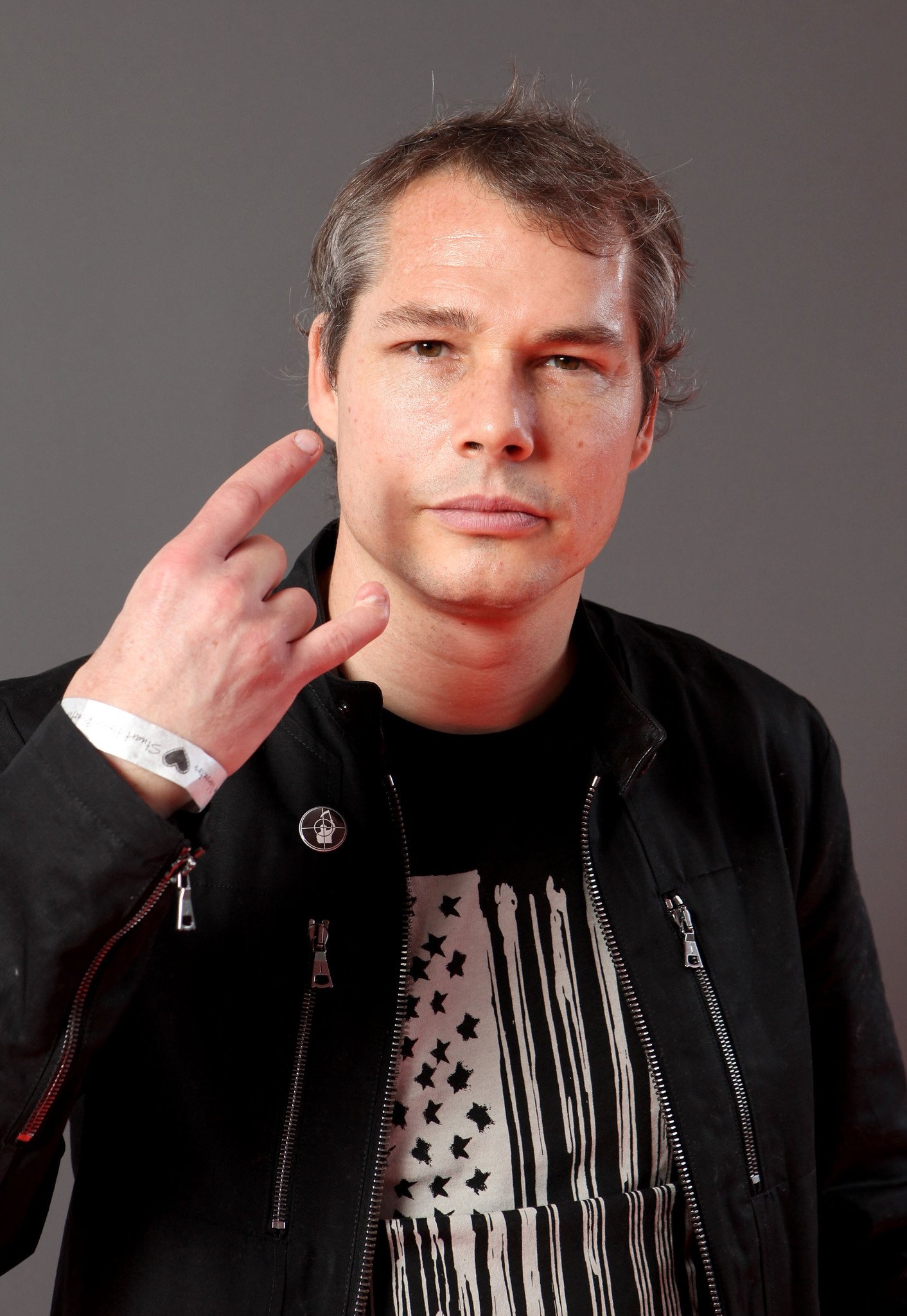
Even if he isn’t managing sales or logistics, his artistic vision is the backbone of OBEY.
Fairey still shapes:
- visual direction
- poster-style artwork
- political themes
- anti-authoritarian messaging
- cultural collaborations
OBEY without Shepard Fairey’s philosophy simply wouldn’t be OBEY.
4. Why OBEY’s ownership structure matters
Because OBEY is still independent, the brand can:
✔ Keep authentic political messaging
Large corporations usually avoid controversial topics — OBEY embraces them.
✔ Support art + activism
OBEY funds social projects and community events.
✔ Avoid hype-cycle pressure
It doesn’t need to chase trends to satisfy investors.
✔ Maintain credible skate + street roots
The brand still resonates in creative communities.
Corporate ownership often dilutes personality; OBEY avoided that fate.
5. What has changed under the current ownership?
Based on what I’ve observed:
Improved structure
Better production consistency and organized collections.
More curated releases
Less mass-market, more art-driven drops.
Sustainability initiatives
A growing priority for the brand.
Targeting creative subcultures
Skaters, artists, designers, activists — not just general fashion buyers.
OBEY feels like a mature version of itself rather than a loud mainstream brand.
6. Who OBEY is still relevant for today
OBEY continues to attract:
✔ Skaters & street creatives
✔ Graphic design & art communities
✔ People who like political or message-driven clothing
✔ Fans of bold, poster-style visuals
✔ Buyers who prefer independent brands
If you want meaning behind your clothes, OBEY remains one of the strongest options.
Comparison Table: OBEY Before vs. OBEY Now
| Category | OBEY (Early 2000s–2015) | OBEY (2023–2025 Today) |
|---|---|---|
| Ownership | Independent | Independent |
| Founder Role | High involvement | Artistic influence only |
| Brand Focus | Mass popularity + bold logos | Art-first + activism |
| Audience | Trend-followers | Creatives & counterculture |
| Cultural Impact | Global streetwear icon | Niche but respected |
| Message | Loud + rebellious | Intentional + political |
OBEY didn’t get sold — it simply evolved.
FAQ
Who owns OBEY Clothing today?
OBEY is still privately owned by its founding partners, with Shepard Fairey contributing artistic direction.
Is OBEY part of a big corporation?
No. It is one of the few major independent streetwear brands left.
Does Shepard Fairey still run OBEY?
Not operationally, but his artistic vision shapes the brand’s identity.
Is OBEY still relevant today?
Yes — especially in art, skate, political, and design communities.
Conclusion
OBEY Clothing remains independently owned, and the brand still carries Shepard Fairey’s artistic DNA.
This independence is the reason OBEY continues to:
- champion meaningful messaging
- support activism
- speak to creative communities
- maintain authentic street roots
In a fashion industry dominated by conglomerates, OBEY stands out by staying true to its original purpose.
Work With a Reliable Streetwear OEM Partner
If you're building your own art-driven, political, or graphic-led streetwear label and need reliable manufacturing with low MOQs, you can work with us here:
We help brands create hoodies, tees, jackets, graphic sets, and full streetwear collections with consistent quality and global support.