
As someone who works in the fashion and streetwear manufacturing space, I often get questions about global brands—especially labels that blend Eastern philosophy with military-inspired aesthetics.
One common question is:
“Is Maharishi a Japanese brand?”
The short answer is no. Maharishi is not a Japanese brand, but its visual language often makes people think it is.
Table of Contents
- Short Answer
- Where Is Maharishi Actually From?
- Why People Think Maharishi Is Japanese
- Founder Background & Brand History
- Design Philosophy: East Meets West
- Is Maharishi Japanese in Terms of Style?
- Who Is Maharishi For?
- Maharishi vs Japanese Streetwear
- FAQ
- Conclusion
Short Answer
No — Maharishi is not a Japanese brand.
Maharishi is a British streetwear label founded in London by designer Hardy Blechman in 1994.

However, the brand uses Japanese aesthetics, Eastern philosophy, symbolic embroidery, and military-inspired silhouettes. That is why many people mistakenly assume Maharishi comes from Japan.
Where Is Maharishi Actually From?
Maharishi is from the United Kingdom.
| Detail | Information |
|---|---|
| Brand Name | Maharishi |
| Country of Origin | United Kingdom |
| City | London |
| Founder | Hardy Blechman |
| Founded | 1994 |
| Brand Type | Independent streetwear label |
From my experience working with international streetwear brands, labels with strong cross-cultural design language are often misunderstood. Maharishi is a perfect example.
It feels Eastern in mood, but its origin is clearly British.
Why People Think Maharishi Is Japanese
There are several reasons why Maharishi is often mistaken for a Japanese brand.
1. Eastern Spiritual Themes
Maharishi often uses symbols such as dragons, monks, tigers, and spiritual references. These details create a strong Asian-inspired identity.
2. Sukajan-Inspired Embroidery
Many Maharishi pieces feature embroidery that feels close to Japanese souvenir jackets, also known as Sukajan jackets.
These jackets usually include bold back graphics, animal motifs, and detailed stitching.
3. Zen-Like Minimalism
Some Maharishi designs use clean shapes, muted colors, and calm visual balance. This makes the brand feel connected to Japanese design culture.
4. Craftsmanship and Detail
Japanese menswear is often associated with careful construction, premium fabrics, and subtle details. Maharishi shares many of these qualities.
5. Military Meets Spiritual Style
The brand combines military structure with peaceful philosophy. This balance is also seen in some Japanese streetwear labels such as WTAPS and Neighborhood.
Founder Background & Brand History
Maharishi was founded by Hardy Blechman, a British designer with a strong interest in military clothing, camouflage, Asian philosophy, and sustainable design.
His creative direction focuses on the contrast between military function and peaceful meaning.
Key influences behind Maharishi include:
- Military surplus garments
- Camouflage research
- Eastern philosophy
- Organic and natural fabrics
- Ethical production
- Symbolic embroidery
This combination became the foundation of Maharishi’s identity.
Instead of using military clothing only as fashion, Maharishi often reinterprets it through a peaceful and spiritual lens.
Design Philosophy: East Meets West
From what I have seen in streetwear product development, Maharishi stands out because it does not rely only on logos or trends. The brand builds meaning into garments.
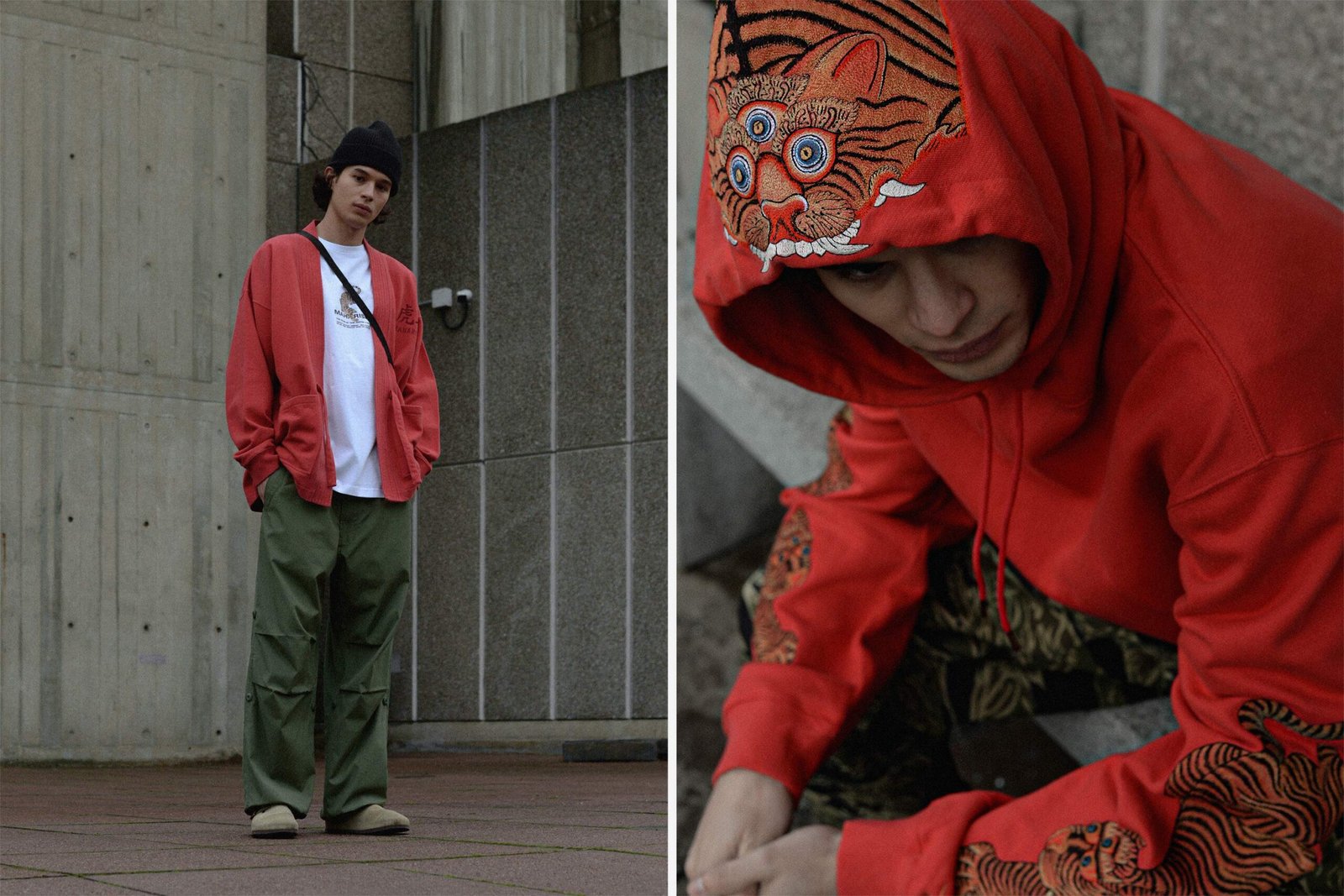
Key Elements of Maharishi’s Style
| Element | Explanation |
|---|---|
| Camouflage | Inspired by global military archives |
| Peace Philosophy | Often connected to anti-war and pacifist ideas |
| Eastern Motifs | Dragons, tigers, monks, Taoist symbols |
| Organic Fabrics | Hemp, natural fibers, and recycled textiles |
| Embroidery | Detailed artwork and symbolic stitching |
| Utility Silhouettes | Cargo pants, jackets, vests, and layered pieces |
Maharishi feels Japanese in some visual details, but the overall execution is more global and British.
Is Maharishi Japanese in Terms of Style?
Officially, Maharishi is not Japanese.
But stylistically, it does carry some Japanese influence.
Maharishi can be described as:
- British in origin
- Eastern-influenced in aesthetics
- Military-inspired in construction
- Spiritual in storytelling
- Global in cultural references
This is why the brand sits comfortably beside many Japanese streetwear labels, even though it is not from Japan.
Who Is Maharishi For?
Maharishi is suitable for people who want more than basic streetwear.
Ideal Audience
Maharishi is a good fit for:
- Streetwear enthusiasts
- Fans of Japanese-inspired design
- People who like tactical silhouettes
- Buyers who appreciate embroidery and craftsmanship
- Consumers interested in sustainable fabrics
- Customers who prefer meaningful design over loud branding
Not Ideal For
Maharishi may not be ideal for:
- Fast-fashion shoppers
- Very low-budget buyers
- People who only want simple logo items
- Customers who prefer trend-driven designs without deeper storytelling
Maharishi vs Japanese Streetwear
| Brand | Origin | Style Direction | Why People Compare Them |
|---|---|---|---|
| Maharishi | United Kingdom | Tactical, spiritual, embroidered streetwear | Eastern motifs and military influence |
| WTAPS | Japan | Military-inspired streetwear | Similar utility and uniform aesthetic |
| Neighborhood | Japan | Motorcycle, military, rugged streetwear | Shared tough and functional mood |
| Undercover | Japan | Avant-garde streetwear | Strong storytelling and details |
| Visvim | Japan | Vintage, artisanal, natural materials | Craftsmanship and cultural references |
Maharishi shares design values with Japanese streetwear, but it still keeps a clear British identity.
FAQ
1. Is Maharishi a Japanese brand?
No. Maharishi is a British streetwear brand founded in London.
2. Why do people think Maharishi is Japanese?
Because the brand uses Eastern motifs, symbolic embroidery, Zen-inspired design, and military-style garments that feel close to Japanese streetwear.
3. Who founded Maharishi?
Maharishi was founded by British designer Hardy Blechman in 1994.
4. What does the name Maharishi mean?
The name comes from Sanskrit and generally means “great seer” or “spiritual teacher.”
5. Is Maharishi similar to Japanese streetwear brands?
Yes, in terms of style influence. But in terms of brand origin, Maharishi is British.
6. Why is Maharishi expensive?
Maharishi often uses detailed embroidery, organic fabrics, small-batch production, and strong design storytelling, which can increase cost.
Conclusion
Maharishi may look Japanese at first glance, but it is not a Japanese brand. It is a British streetwear label founded in London by Hardy Blechman.
The reason people connect Maharishi with Japan is simple: the brand uses Eastern philosophy, symbolic graphics, detailed embroidery, and military-inspired silhouettes.
For fashion buyers, designers, and streetwear brands, Maharishi is a strong example of how cultural inspiration can shape a unique brand identity without changing the brand’s actual origin.
If you are building your own streetwear or premium apparel line and need reliable manufacturing support, you can explore: