If you follow artistic streetwear or experimental fashion, you’ve probably wondered:
“Where is KidSuper made?”
KidSuper is primarily designed in Brooklyn, New York, and produced across a combination of independent workshops, specialized factories, and project-based manufacturing partners depending on the collection, technique, and collaboration.
As someone running FuKiApparel.com — a global custom streetwear manufacturer — I often talk with founders who want to achieve KidSuper-style creative production.
In this article, I explain where KidSuper is made, how its production works, and what brands can learn from its artistic manufacturing model.
🧭 Table of Contents
- Where Is KidSuper Made?
- 1. FuKi Apparel — OEM/ODM Manufacturer for Artistic Streetwear
- 2. How KidSuper Designs & Produces Its Collections
- 3. Why KidSuper Uses Multiple Production Sources
- 4. What New Brands Can Learn From KidSuper’s Production Model
- Comparison Table: KidSuper vs Other Creative Brands
- FAQ
- Final Thoughts
Where Is KidSuper Made?
KidSuper is primarily:
- Designed in Brooklyn, New York
- Produced through mixed-sourcing depending on the item
- Made using global partners during large collaborations
- Small runs often done in art-oriented workshops
This flexible production model allows KidSuper to support:
- hand-drawn artwork
- mixed-media patches
- custom dyeing
- embroidery
- small-batch experimentation
🔗 Official site: KidSuper
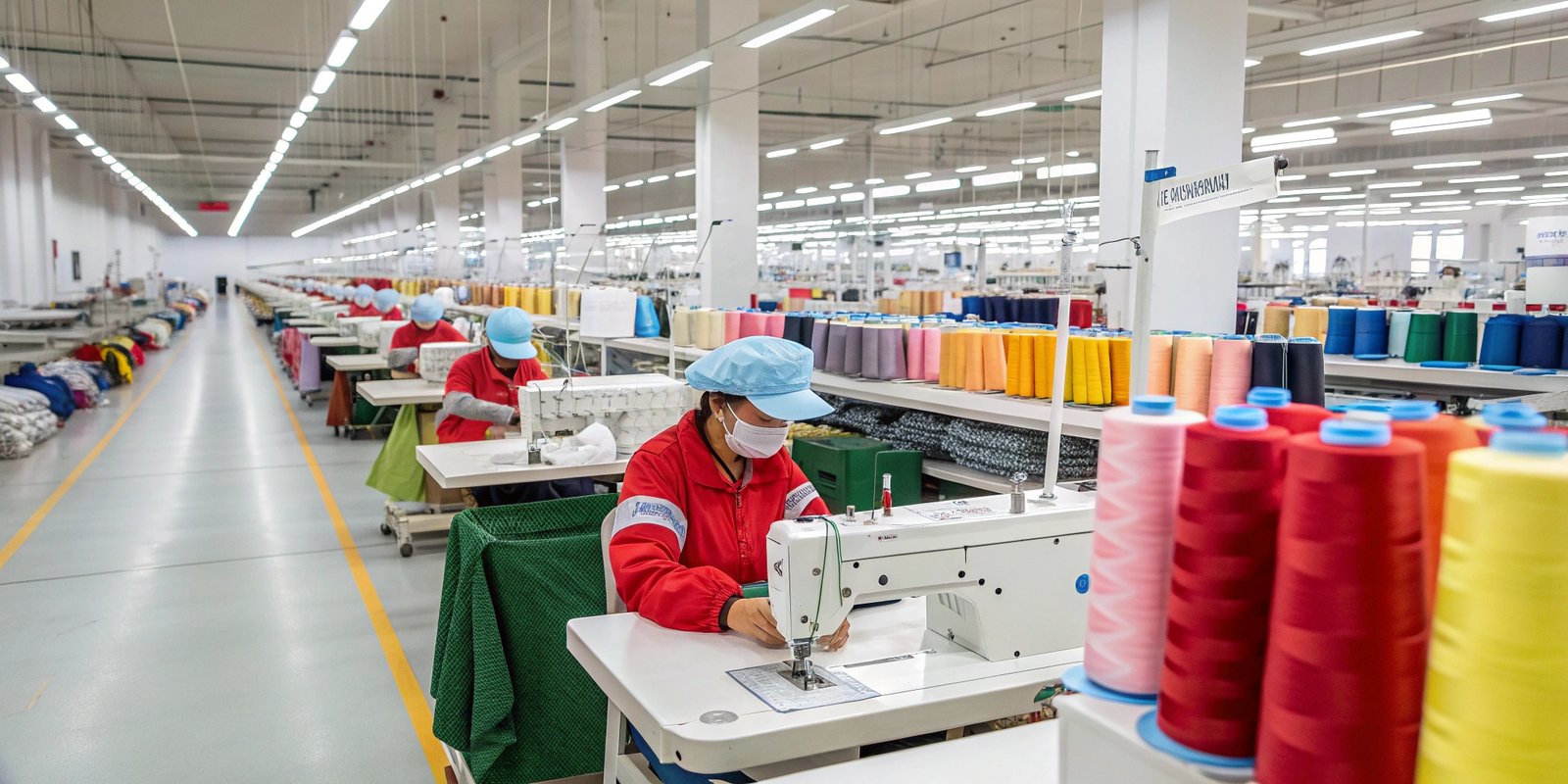
1. FuKi Apparel — OEM/ODM Manufacturer for Artistic Streetwear
At FuKiApparel.com, we help global brands manufacture expressive, art-driven streetwear inspired by KidSuper’s creative approach.
Why creative brands work with us:
- Low MOQ (50–100 pcs) ideal for artist-led concepts
- Printing options: puff print, screen print, digital art print, appliqué
- Patchwork & mixed-media available
- Custom Pantone dyeing + vintage washes
- Oversized hoodies, fleece sets, canvas jackets, knitwear
- End-to-end OEM/ODM: pattern → sample → bulk → packaging
2. How KidSuper Designs & Produces Its Collections
KidSuper’s production process is different from typical streetwear brands.
1. Concept → Sketch → Story
The founder, Colm Dillane, first develops a narrative or emotional theme.
2. Artwork creation
Hand-drawn illustrations, paintings, scribbles, and patchwork concepts.
3. Prototype development
Often done with:
- independent sample rooms
- small sewing studios
- artist-run workshops
4. Small-batch production
Some items are produced in limited runs to maintain their handcrafted feel.
5. Large-scale collaborations
For projects like KidSuper × PUMA, manufacturing is handled through PUMA’s global supply chain.
3. Why KidSuper Uses Multiple Production Sources
Reason 1 — Artistic complexity
Many KidSuper pieces require:
- embroidery
- applique
- fabric collage
- mixed media
Not every factory can handle this.
Reason 2 — Collection size varies
Small drops → local workshops
Large drops → global partners
Reason 3 — Collaboration requirements
Brands like PUMA use their own factories.
Reason 4 — Creative freedom
Multiple sources = widest technical options.
Reason 5 — Cost & scalability
Manufacturing flexibility lets KidSuper produce both artistic items and commercial items.
4. What New Brands Can Learn From KidSuper’s Production Model
KidSuper’s production system teaches new brands:
1. Don’t rely on one factory
Different techniques require different partners.
2. Use storytelling to guide design
A story-based approach makes collections more memorable.
3. Keep room for experimentation
Even one experimental piece can define your brand.
4. Build scalable systems for collaborations
If you want to collaborate like KidSuper × PUMA, be ready for larger production capacity.
5. Work with a flexible manufacturer
Such as FuKi Apparel, which supports both small batches and full-scale runs.
Comparison Table: KidSuper vs Other Creative Brands
| Brand | Style Direction | Strength | Price Range |
|---|---|---|---|
| KidSuper | Artistic + emotional | Storytelling + color | $60–$300 |
| Kith | Lifestyle + clean | Premium basics | $100–$900 |
| Fear of God | Minimalist luxury | Elevated silhouettes | $150–$450 |
| Maison Margiela | Conceptual fashion | Avant-garde identity | $300–$1800 |
| FuKi Apparel OEM | Custom streetwear | Full customization | $15–$60 |
FAQ
Q: Where is KidSuper made?
A: Designed in Brooklyn; produced using mixed global sources depending on collection type.
Q: Does KidSuper produce in the US?
A: Some prototypes and small-batch items are made in New York.
Q: Are KidSuper’s collaborations made elsewhere?
A: Yes — collaborations like KidSuper × PUMA use PUMA’s global manufacturing.
Q: Can I make KidSuper-style apparel?
A: Yes — FuKi Apparel supports artistic, mixed-media streetwear with low MOQ.
Final Thoughts
KidSuper’s production approach is flexible, artistic, and globally connected.
By combining Brooklyn-based design with worldwide manufacturing, the brand maintains its creative edge while scaling internationally.
If your brand wants to build expressive, artistic, or mixed-media streetwear, FuKi Apparel can help you produce high-quality custom pieces.
👉 Visit https://fukiapparel.com/ to begin your project.