If you’re building a clothing brand, you’ve probably come across the term “OEM manufacturer.” But here’s where it gets confusing: Is FukiApparel also a manufacturer? And what is the real difference between a specialized partner like FukiApparel and a traditional OEM factory?
From my experience, the difference isn’t just in production — it’s in how the factory works with your brand. In this article, I’ll break down the real differences so you can choose the right partner.
Table of Contents
- Quick Answer
- What Is an OEM Manufacturer?
- What Is Fuki Apparel?
- Key Differences Explained
- Side-by-Side Comparison
- When to Choose Fuki Apparel
- When OEM Manufacturers Make Sense
- Common Misunderstandings
- FAQs
- Conclusion
- Internal Reference
Quick Answer
FukiApparel offers a more flexible, brand-focused approach, while traditional OEM manufacturers focus on standardized, high-volume production. The best choice depends on whether you prioritize customization and flexibility (Fuki) or massive scale and unit cost efficiency (OEM).
What Is an OEM Manufacturer?
OEM stands for “Original Equipment Manufacturer.” In the apparel world, OEM manufacturers typically produce garments strictly based on your provided specifications. They are built for volume, prioritizing efficiency and cost control over creative flexibility.
What Is Fuki Apparel?
FukiApparel is a streetwear-focused manufacturer designed for brands that need both deep customization and controlled production. Unlike generic OEM factories, it is built for brand development, offering:
- Low MOQ: Around 100 pcs per design.
- Full Customization: Everything from custom fabric knits to branded trims.
- Rapid Prototyping: Sampling in 7–10 days.
Key Differences Explained
- Flexibility: FukiApparel provides high flexibility for small and medium orders, whereas OEM factories are optimized for rigid, high-volume runs.
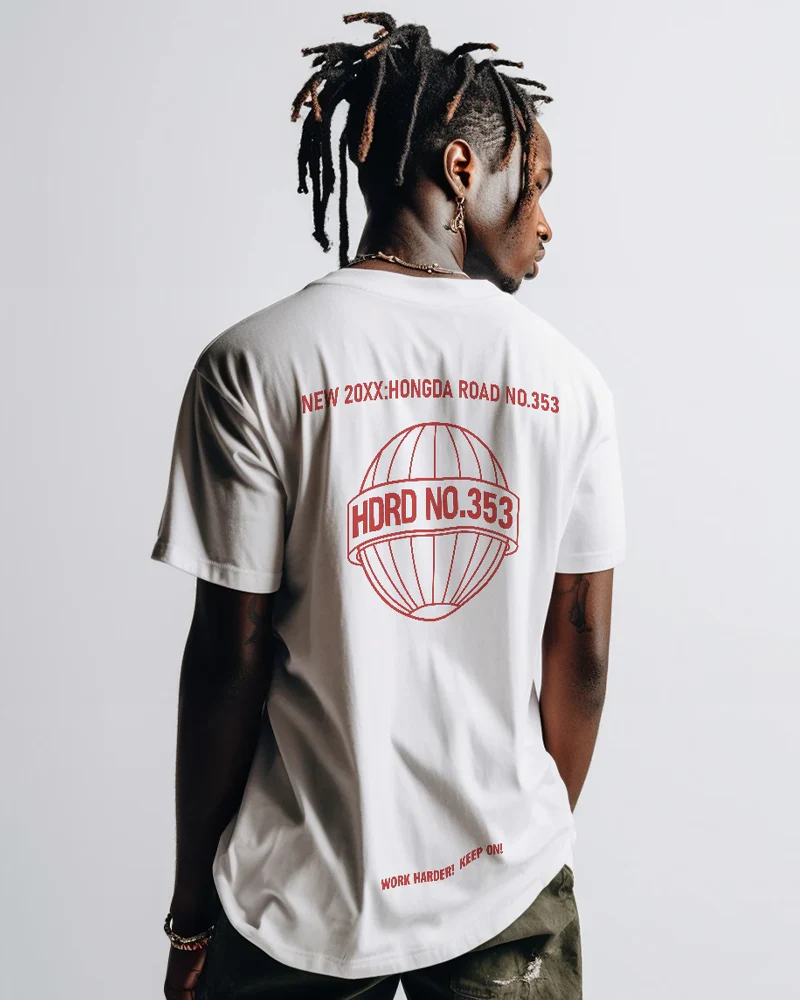
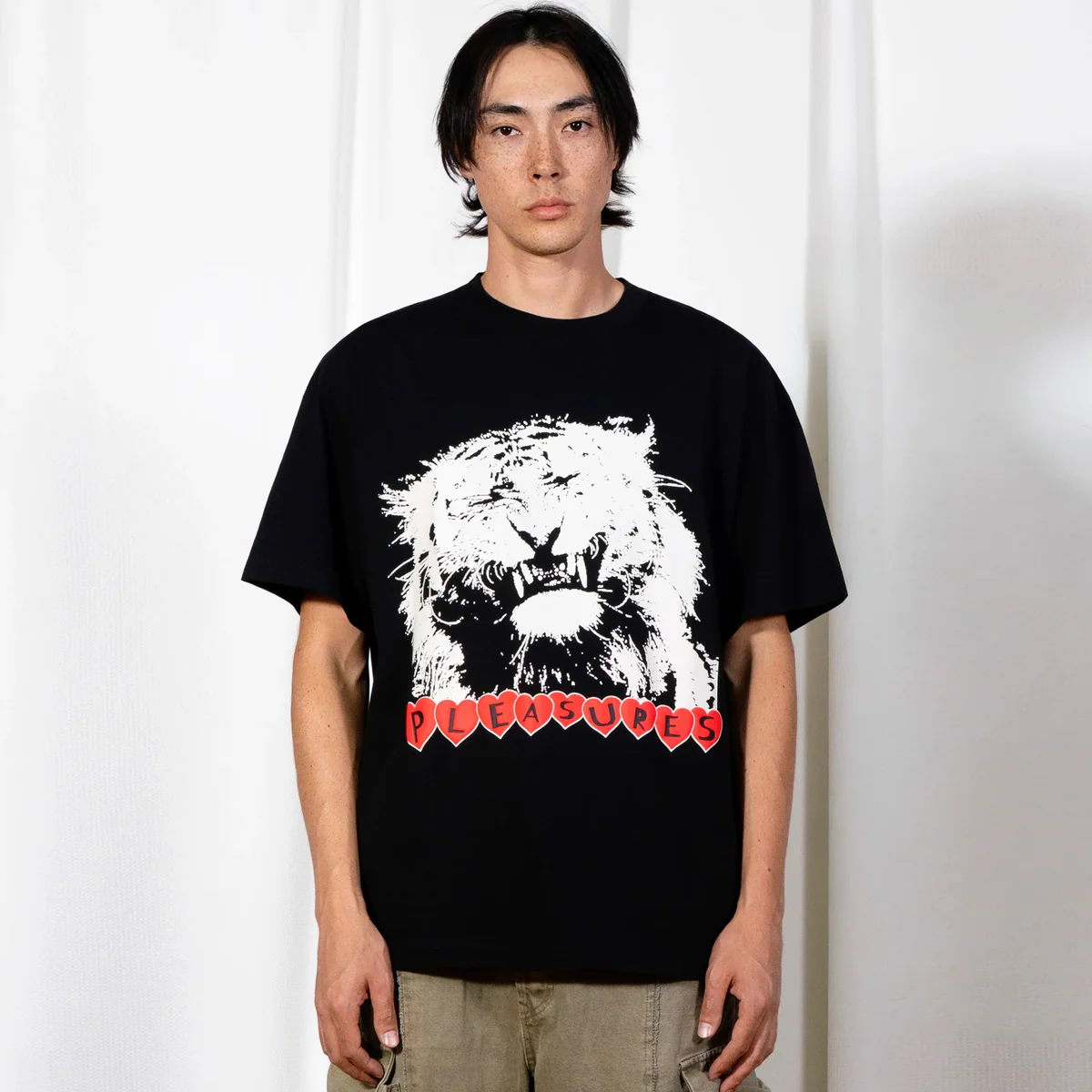
- Customization Depth: FukiApparel offers advanced streetwear techniques (acid washes, puff prints, custom silhouettes), while OEM often focuses on execution rather than technical development.
- MOQ Requirements: A typical OEM factory may require 500–1,000 pieces per style. FukiApparel lowers this barrier to 100 pieces, significantly reducing financial risk.
- Communication: Working with FukiApparel feels more like a partnership. Communication is direct and supportive, whereas large OEM factories tend to be more formal and less responsive to minor changes.
Side-by-Side Comparison
| Factor | FukiApparel | Traditional OEM |
|---|---|---|
| MOQ | Low (~100 pcs) | Medium to High |
| Flexibility | High | Low |
| Customization | Advanced | Moderate |
| Focus | Brand Development | Mass Production |
| Communication | Direct & Flexible | Structured & Formal |
When to Choose Fuki Apparel
Choose FukiApparel if you:
- Are a startup or growing streetwear brand.
- Need to test new products with low MOQs.
- Require full customization to stand out in a crowded market.
- Want a manufacturer that understands streetwear aesthetics.
When OEM Manufacturers Make Sense
Choose a standard OEM manufacturer if you:
- Already have massive, proven sales volume.
- Need the lowest possible unit cost for basic essentials.
- Have finalized designs that will not change for thousands of units.
Common Misunderstandings
- “OEM Means Better Quality”: Not necessarily. OEM focuses on efficiency; FukiApparel focuses on the specific premium feel of streetwear.
- “All Manufacturers Are the Same”: The real difference is in the process. The right partner supports your brand growth, not just your production line.
FAQ
Is FukiApparel an OEM manufacturer?
Technically yes, but with a specialized focus on flexibility and brand-building support that traditional OEMs don't offer.
Which is better for startups?
FukiApparel, because they provide the low MOQs and technical support startups need to launch successfully.
Can I scale from Fuki to OEM later?
Absolutely. Many brands use FukiApparel to build their foundation and continue to use their scalability as they grow.
Conclusion
The best choice depends on your brand's stage.
👉 FukiApparel = Flexibility, customization, and brand support.
👉 OEM Manufacturers = Scale, industrial efficiency, and cost optimization.
If you are building a unique identity, flexibility matters more than pure volume.
Internal Reference
Start your custom production journey with a partner that understands your brand. Follow us for real production insights:
- 🌐 Official Site: FukiApparel
- 🎬 TikTok: FukiStreetwear
- 📺 YouTube: FukiApparel
- 📸 Instagram: FukiStreetwear