
Table of Contents
- Quick Answer
- What Is a Limited Drop in Streetwear?
- What Is Hype Culture?
- The Psychology Behind Scarcity
- How Limited Drops Increase Profit Margins
- Why Hype Culture Works Especially Well for Gen Z
- Case Study Patterns from Major Streetwear Brands
- When Limited Drops Do NOT Work
- Practical Drop Strategy for Emerging Brands
- Comparison Table: Traditional Model vs Drop Model
- FAQ
- Conclusion
- Internal Reference
Quick Answer
Limited drops and hype culture drive streetwear sales because they:
- Create urgency
- Increase perceived value
- Reduce inventory risk
- Build community anticipation

From my experience working with streetwear brands, products do not sell just because they exist. They sell because they feel rare, relevant, and culturally timed.
Scarcity turns clothing into an event.
What Is a Limited Drop in Streetwear?
A limited drop means releasing:
- A small quantity
- At a specific time
- Often with no guaranteed restock
Instead of keeping items permanently in stock, brands launch micro-collections.
This model became mainstream through brands like Supreme, which built weekly drop culture into its identity.
Streetwear media such as HYPEBEAST – Streetwear Culture Media regularly document how limited releases shape demand cycles.
What Is Hype Culture?
Hype culture refers to the anticipation and excitement surrounding a product release.
It is driven by:
- Scarcity
- Influencer visibility
- Social media conversation
- Community belonging
In hype culture, owning the product signals participation in a moment.
That emotional layer drives higher conversion than traditional retail marketing.
The Psychology Behind Scarcity
Limited drops work because of basic consumer psychology.
Scarcity increases perceived value.
According to behavioral research frequently discussed in Harvard Business Review – Consumer Psychology Insights, consumers assign higher value to products that appear limited or exclusive.
When supply is controlled:
- Demand intensifies
- Decision speed increases
- Emotional attachment strengthens
Streetwear brands leverage this intentionally.
How Limited Drops Increase Profit Margins
From a business perspective, limited drops offer major advantages.
1. Reduced Inventory Risk
You produce smaller batches.
2. Faster Cash Flow
Drops create concentrated revenue spikes.
3. Stronger Pricing Power
Scarcity justifies premium pricing.
Example Comparison
| Model | Production Size | Discount Risk | Margin Stability |
|---|---|---|---|
| Traditional Retail | Large bulk | High | Weak |
| Limited Drop | Controlled batch | Low | Strong |
Brands that overproduce often end up discounting, which damages brand perception.
Why Hype Culture Works Especially Well for Gen Z
Gen Z values:
- Community identity
- Social validation
- Digital-first experiences
Drops align perfectly with social media behavior:
- Countdown posts
- Behind-the-scenes teasers
- Influencer seeding
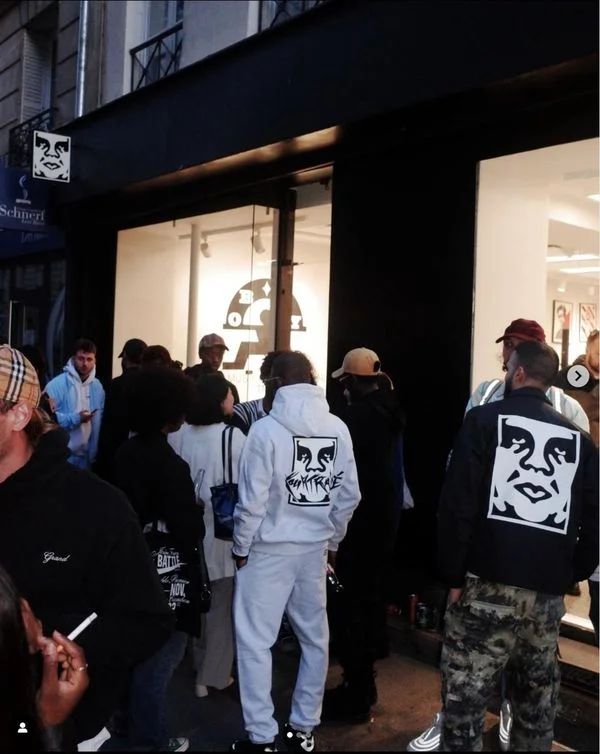
According to Statista – Gen Z Consumer Behavior Data, younger consumers are heavily influenced by digital community signals.
Drops turn buying into participation.
Case Study Patterns from Major Streetwear Brands
Although every brand operates differently, successful drop strategies typically include:
- Weekly or monthly release cadence
- Predictable drop time
- Teaser campaigns
- Limited quantities
Luxury brands have also adopted this strategy to maintain desirability.
The result?
Controlled supply sustains long-term demand.
When Limited Drops Do NOT Work
Limited drops fail when:
- Brand identity is unclear
- Product quality is weak
- Marketing is inconsistent
- Inventory is too small to meet realistic demand
- Drops feel artificial
Scarcity only works when product value exists first.
If quality is poor, hype accelerates disappointment.
Practical Drop Strategy for Emerging Brands
If you are launching or scaling, here is what I recommend.
Step 1: Start Small
100–300 units per SKU.
Step 2: Build Pre-Drop Awareness
Use:
- Email list
- Instagram teasers
- Short-form video
Step 3: Keep Drop Timing Consistent
Predictability builds habit.
Step 4: Focus on Core Essentials
Heavyweight tees and hoodies perform better than overly complex designs.
For brands looking to structure drop-based production with reliable quality control, explore 👉
Fuki Apparel – Streetwear Manufacturing Solutions
Controlled production aligns well with drop models.
Comparison Table: Traditional Model vs Drop Model
| Factor | Traditional Retail | Limited Drop |
|---|---|---|
| Inventory Size | Large | Small |
| Urgency | Low | High |
| Discounting | Frequent | Rare |
| Community Engagement | Moderate | Strong |
| Brand Perception | Commodity | Exclusive |
Drop culture transforms product launches into cultural events.
FAQ
Are limited drops still effective in 2026?
Yes, but only when paired with authentic storytelling and strong product quality.
Do drops increase costs?
Not necessarily. Smaller runs reduce unsold inventory risk.
Can small brands use hype culture?
Yes. Even micro-drops can build strong community engagement.
Should every release be limited?
No. Core essentials can remain stable while special capsules stay limited.
Conclusion
Limited drops and hype culture drive streetwear sales because they combine:
- Psychology
- Community
- Scarcity
- Strategic production
Streetwear is not just clothing. It is timing and participation.
Brands that master controlled releases often achieve:
- Stronger margins
- Higher engagement
- Greater brand loyalty
Scarcity creates attention. Quality sustains reputation.
Internal Reference
If you are planning a drop-based streetwear model and need structured OEM production aligned with controlled release strategies, explore 👉
Fuki Apparel – Streetwear Manufacturing Solutions