
This question comes up a lot, especially when people notice how fast Hellstar rose in streetwear:
“Hellstar feels big, but mysterious. So… whose brand is it actually?”
I’ve worked with and analyzed many streetwear brands at different stages of growth, and Hellstar is a classic case of a founder-driven brand that lets the product speak louder than the people behind it.
Here’s the clear answer—without hype, rumors, or guesswork.
Table of Contents
- Quick Answer
- Who Owns the Hellstar Brand?
- Is Hellstar Founder-Owned or Corporate-Owned?
- Why Hellstar Keeps Its Ownership Low-Key
- How Ownership Shapes Hellstar’s Identity
- Hellstar vs Corporate Streetwear Brands
- Should You Care Who Owns Hellstar?
- FAQ
- Conclusion
- Internal Reference
Quick Answer
Hellstar is a privately owned, founder-led streetwear brand.
It is not owned by a major fashion group, corporation, or public company.
Hellstar operates independently, with creative and business control remaining closely held.
That independence explains much of the brand’s behavior—from pricing to scarcity.
Who Owns the Hellstar Brand?
Hellstar is owned and operated by its founding team, rather than a visible celebrity designer or corporate parent.
Unlike brands that lean heavily on public founders, Hellstar intentionally keeps:
- Ownership private
- Leadership out of the spotlight
- Brand focus on imagery and message
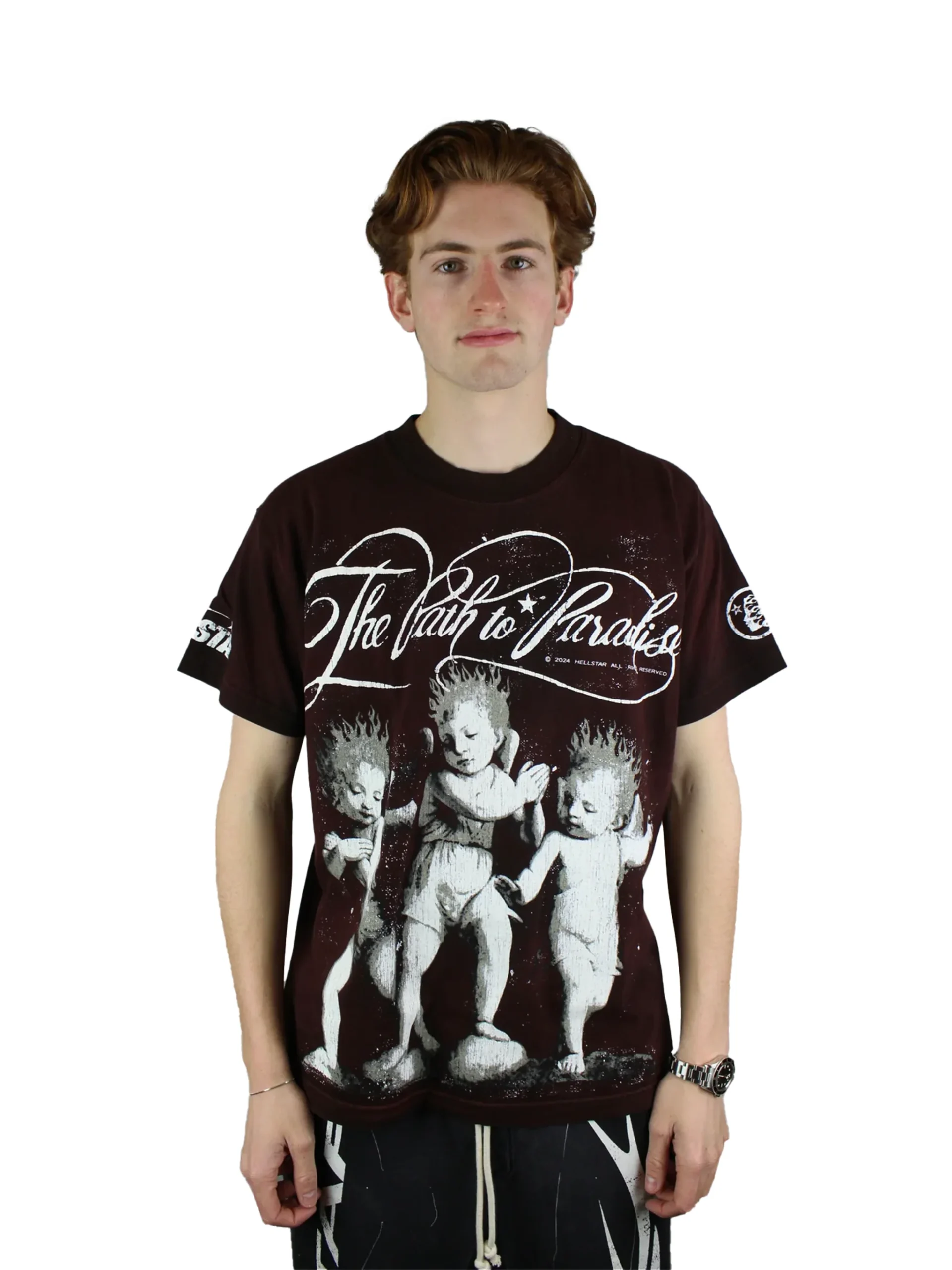
This strategy is common among newer hype-driven streetwear brands that want the mythology to outgrow the names behind it.
At the time of writing, there has been no public acquisition, sale, or corporate ownership disclosure tied to Hellstar.
Is Hellstar Founder-Owned or Corporate-Owned?
Hellstar is founder-owned, not corporate-owned.
That means:
- No conglomerate pressure
- No public shareholders
- No seasonal sales targets set by retailers
Decisions about drops, pricing, and scarcity are made internally—not by outside investors.
This structure is one reason Hellstar can afford to:
- Release irregularly
- Keep prices high
- Ignore mainstream retail timelines
Why Hellstar Keeps Its Ownership Low-Key
From a brand strategy perspective, silence is intentional.
Hellstar benefits from:
- Mystery
- Minimal backstory
- Focus on symbolism instead of biography
In modern streetwear, less information often increases desire.
Publications like Hypebeast and Highsnobiety frequently note that newer cult brands gain momentum by letting community speculation fuel interest.
Hellstar follows that playbook closely.
How Ownership Shapes Hellstar’s Identity
Because Hellstar is privately run, it can prioritize:
- Scarcity over scale
- Brand heat over mass distribution
- Cultural relevance over volume
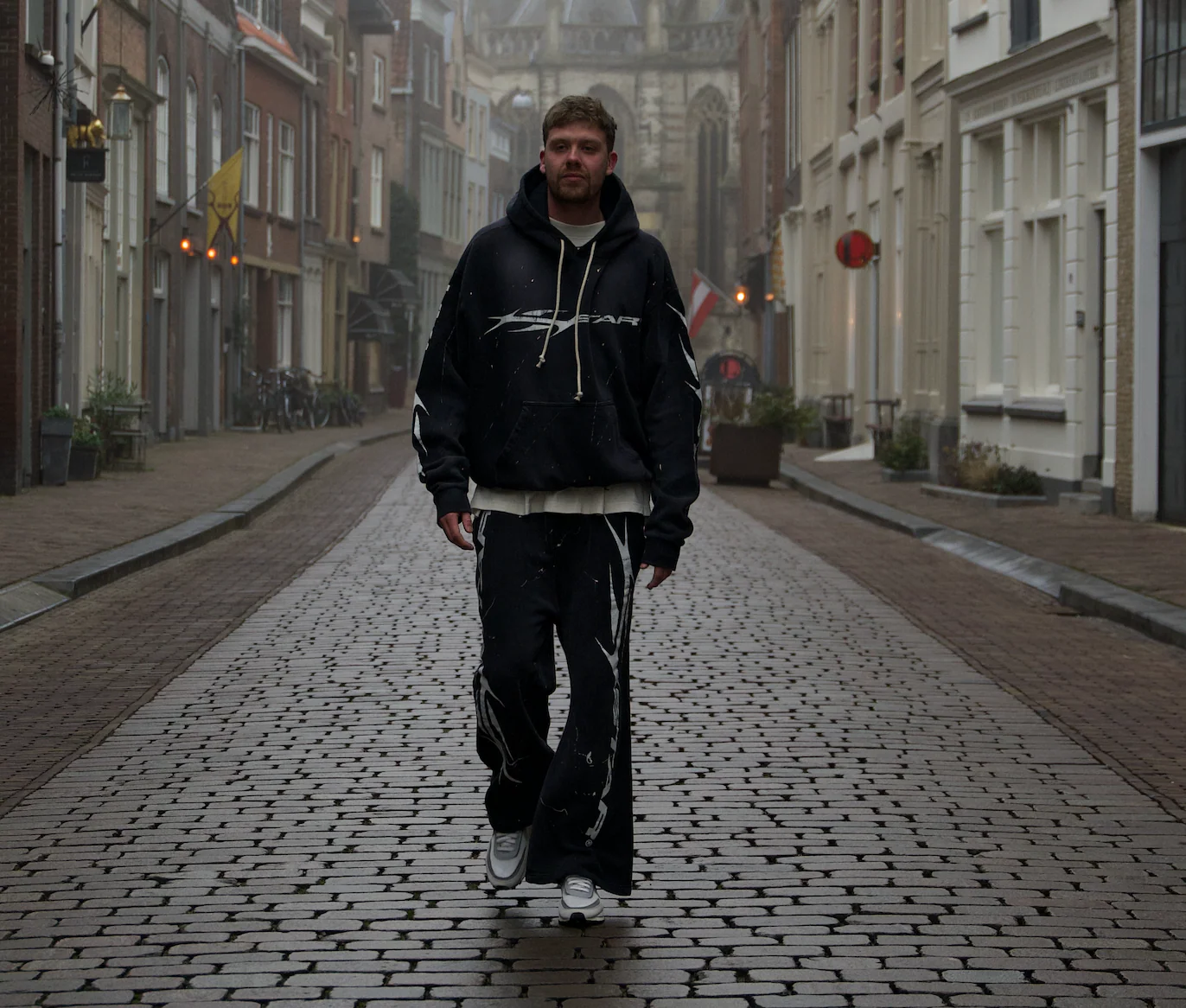
There’s no obligation to “grow responsibly” or appeal to everyone.
That freedom allows Hellstar to behave more like a cult brand than a clothing company.
Hellstar vs Corporate Streetwear Brands
| Aspect | Corporate-Owned Brand | Hellstar |
|---|---|---|
| Ownership | Conglomerate / investors | Private founders |
| Creative control | Committee-led | Internal |
| Drop frequency | Scheduled | Irregular |
| Pricing logic | Margin-based | Demand-based |
| Brand narrative | Public | Mysterious |
Understanding ownership explains why Hellstar feels unpredictable—and expensive.
Should You Care Who Owns Hellstar?
It matters if you care about:
- Authenticity
- Independence
- Cultural positioning
- Scarcity-driven value
It matters less if you:
- Only care about materials
- Prefer transparent brand stories
- Want consistent releases
Ownership doesn’t make Hellstar “better”—but it explains why it behaves the way it does.
FAQ
Is Hellstar owned by a celebrity?
No confirmed celebrity ownership has been publicly disclosed.
Is Hellstar owned by a fashion group?
No. There is no evidence of corporate or conglomerate ownership.
Could Hellstar be sold in the future?
Possibly—but there are no public signs of that happening now.
Conclusion
So, whose brand is Hellstar?
Hellstar belongs to its founders—and that independence is the point.
That’s why the brand:
- Moves quietly
- Prices aggressively
- Releases selectively
- Feels exclusive
In streetwear, ownership isn’t just legal structure.
It’s creative power.
And Hellstar is holding onto it.
Internal Reference
If you’re building a streetwear brand and deciding whether to stay independent or bring in outside ownership, understanding this trade-off is critical.
Explore how founder-led, culture-driven apparel brands are developed at
👉 fukiapparel
Because who owns the brand
ultimately decides what the brand becomes.