
When people ask, “Who is the founder of Denim Tears?”, they’re usually trying to understand why the brand feels so different from most streetwear labels.
From my experience working with fashion brands and studying cultural fashion projects, I can say this clearly:
Denim Tears feels personal because it is personal.
The brand is built directly around its founder’s worldview, not market trends.
Table of Contents
- Quick Answer
- Who Founded Denim Tears?
- The Founder’s Background Before Denim Tears
- Why the Founder Matters to the Brand
- Founder-Led Vision vs Typical Streetwear Brands
- What This Means for Buyers and Collectors
- FAQ
- Conclusion
- Internal Reference
Quick Answer
Denim Tears was founded by Tremaine Emory.
He is a designer and creative director who uses fashion as a tool to explore Black American history, labor, and cultural memory.
Denim Tears is not just a clothing brand.
It is a founder-led cultural expression, translated into garments.
Who Founded Denim Tears?
Denim Tears was founded by Tremaine Emory as a cultural fashion project rather than a traditional streetwear label.
From the beginning, the brand focused on:
- Reclaiming cotton and denim as historical symbols
- Using clothing to communicate memory and identity
- Avoiding trend-driven design cycles
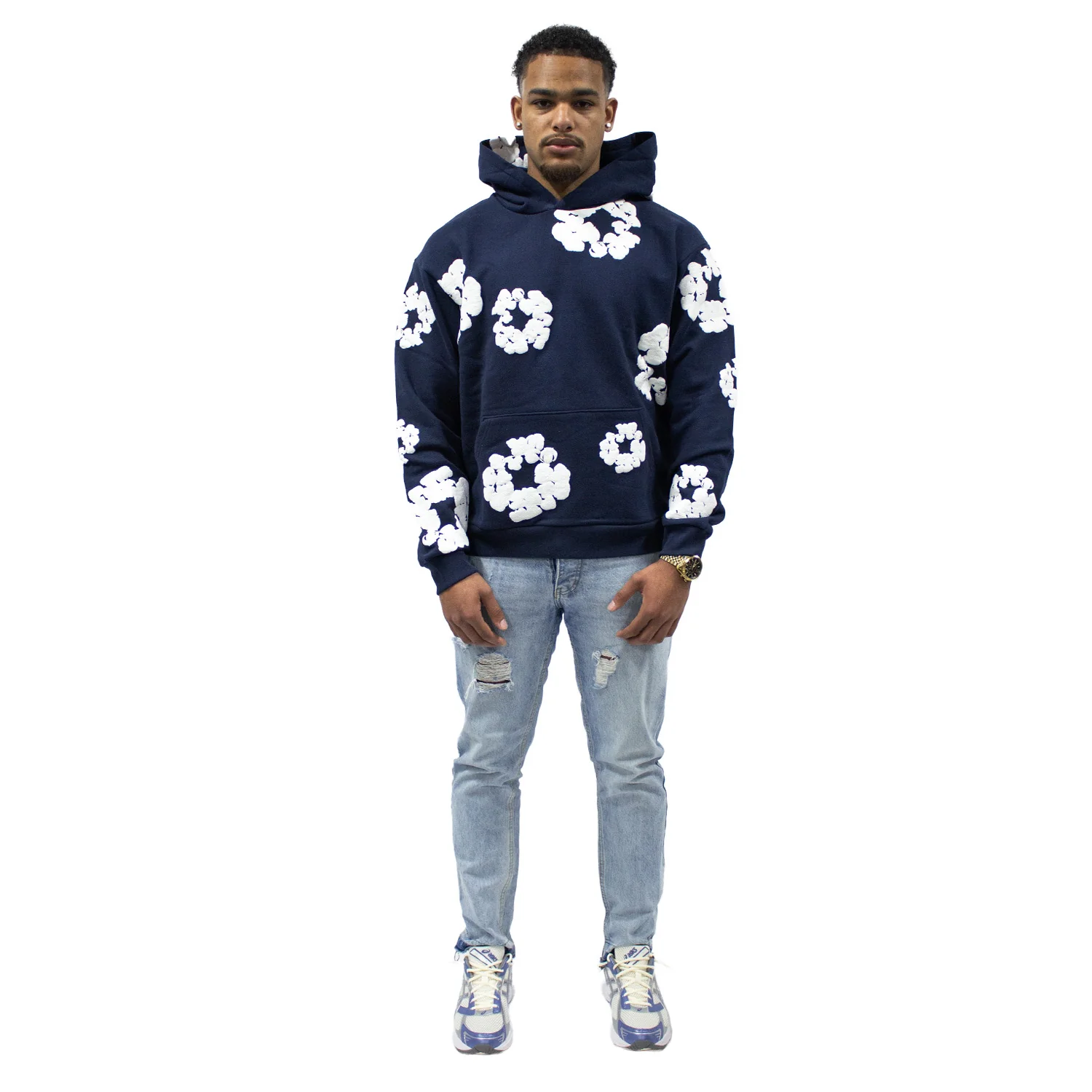
This approach is why Denim Tears is often discussed by platforms like Hypebeast not as hype streetwear, but as cultural fashion.
The Founder’s Background Before Denim Tears
Before launching Denim Tears, Tremaine Emory was already deeply involved in fashion, music, and art culture.
His background includes:
- Creative direction work across fashion and music
- Long-term involvement in shaping modern streetwear culture
- Collaboration with influential designers and artists
Publications such as Highsnobiety frequently describe Emory as a cultural thinker, not just a fashion designer.
Because of this background, Denim Tears didn’t begin by chasing trends.
It began with research, lived experience, and cultural intention.
Why the Founder Matters to the Brand
Many fashion brands are built by teams and guided by commercial strategy.
Denim Tears is different.
The founder’s influence is visible in:
- The repeated use of the cotton wreath symbol
- A limited number of product categories
- Slow, intentional release schedules
- Strong resistance to seasonal trend pressure
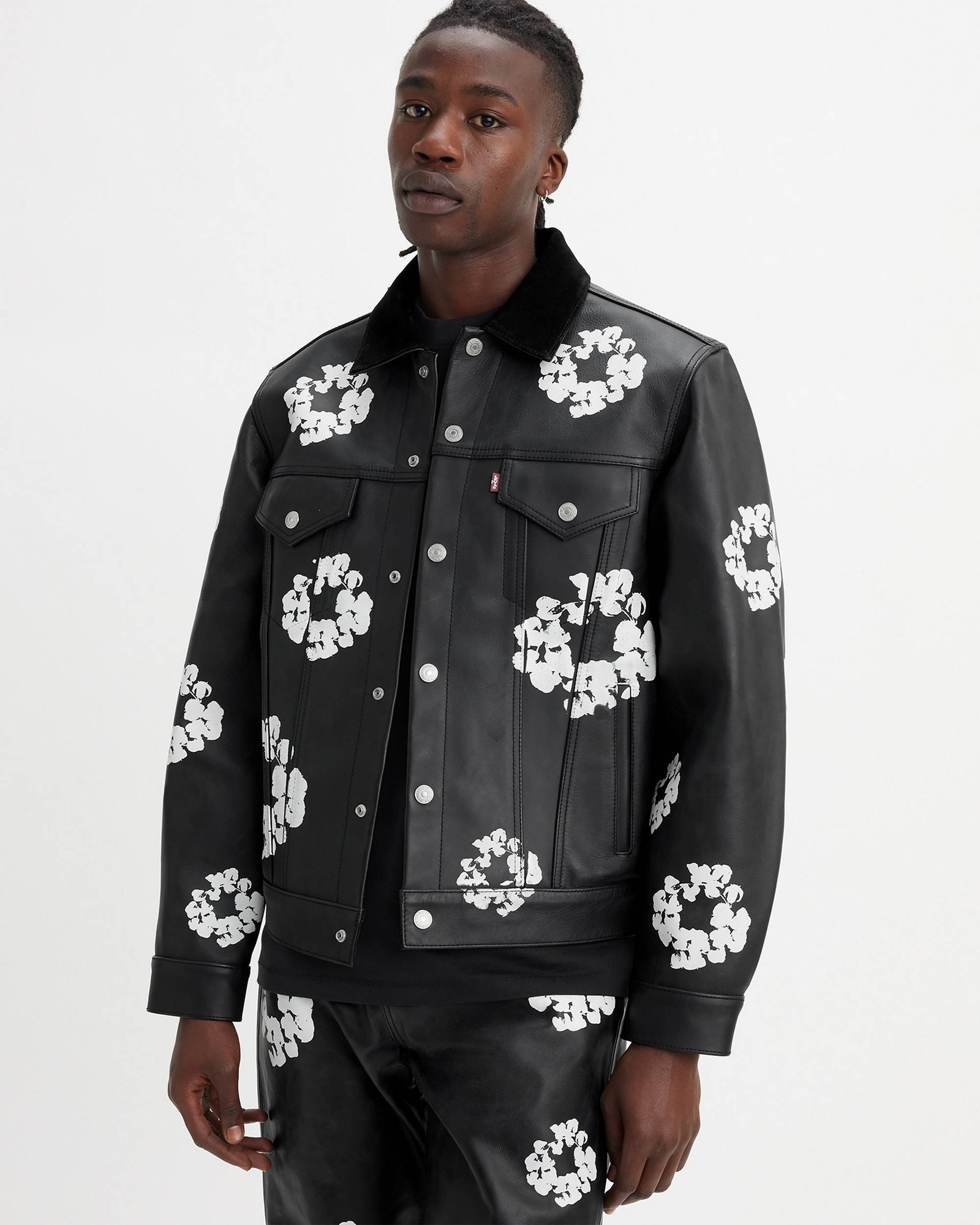
This level of founder control creates consistency, which is rare in modern streetwear.
Consistency builds trust—and long-term cultural value.
Founder-Led Vision vs Typical Streetwear Brands
| Aspect | Typical Streetwear Brand | Denim Tears |
|---|---|---|
| Founder visibility | Low | High |
| Design motivation | Trends & sales | Cultural narrative |
| Brand voice | Fragmented | Singular |
| Product strategy | Volume-driven | Meaning-driven |
| Long-term relevance | Unstable | Strong |
Denim Tears behaves less like a hype brand and more like a cultural archive in progress.
What This Means for Buyers and Collectors
Understanding who founded Denim Tears explains:
- Why prices remain high
- Why releases stay limited
- Why symbols repeat across collections
- Why the brand does not move quickly
Buyers are not purchasing seasonal fashion.
They are buying into a founder-led cultural narrative.
That’s why collectors treat Denim Tears seriously—and why resale value remains strong.
FAQ
Is Tremaine Emory still involved in Denim Tears?
Yes. The brand remains closely connected to his personal vision.
Does Denim Tears collaborate with other brands?
Yes, but collaborations are carefully controlled to stay aligned with the founder’s message.
Why does founder identity matter in fashion?
Founder-led brands tend to maintain stronger identity and longer relevance.
Conclusion
Denim Tears was founded by Tremaine Emory—but more importantly, it was founded on purpose.
The brand stands for:
- Memory over trend
- Identity over logo
- Meaning over volume
That’s why Denim Tears doesn’t feel disposable.
That’s why it doesn’t chase hype.
That’s why people still ask who founded it.
Strong brands don’t start with products.
They start with people.
Internal Reference
If you’re building your own brand and want it to be founder-driven, consistent in message, and respected over time, explore how intentional apparel brands are developed at
👉 fukiapparel
Because long-lasting brands begin with clarity, not noise.