
The first time a buyer asked me this, we were standing in a wash room full of half-finished denim.
He picked up a Diesel sample and said:
“It’s just jeans. Why does this cost three times more than normal?”
After years working with mills, wash houses, and private-label denim brands, I can answer that clearly:
Diesel is expensive because it sells engineered fashion—not basic clothing.
You’re paying for development, experimentation, brand power, and design risk.
Let’s unpack that in simple terms.
Table of Contents
- Quick Answer
- Diesel Is Built on Development, Not Copying
- Fabric & Material Investment
- Complex Wash & Finishing
- Fashion Positioning & Brand Cost
- Diesel vs Regular Clothing Brands
- Is Diesel Worth the Price?
- FAQ
- Internal Reference
Quick Answer
Diesel is expensive because it combines:
- Custom-developed fabrics
- Multi-stage wash processes
- Experimental silhouettes
- High design investment
- Global fashion branding
Diesel is not competing with mall brands.
It operates between premium denim and fashion luxury.
You can see how the brand positions itself at Diesel.
Diesel Is Built on Development, Not Copying
Many low-cost brands work like this:
- Watch trends
- Copy popular styles
- Use standard fabrics
- Produce in bulk
Diesel works the opposite way:
- Develops its own fabrics
- Creates unique washes
- Tests new silhouettes
- Builds seasonal identities
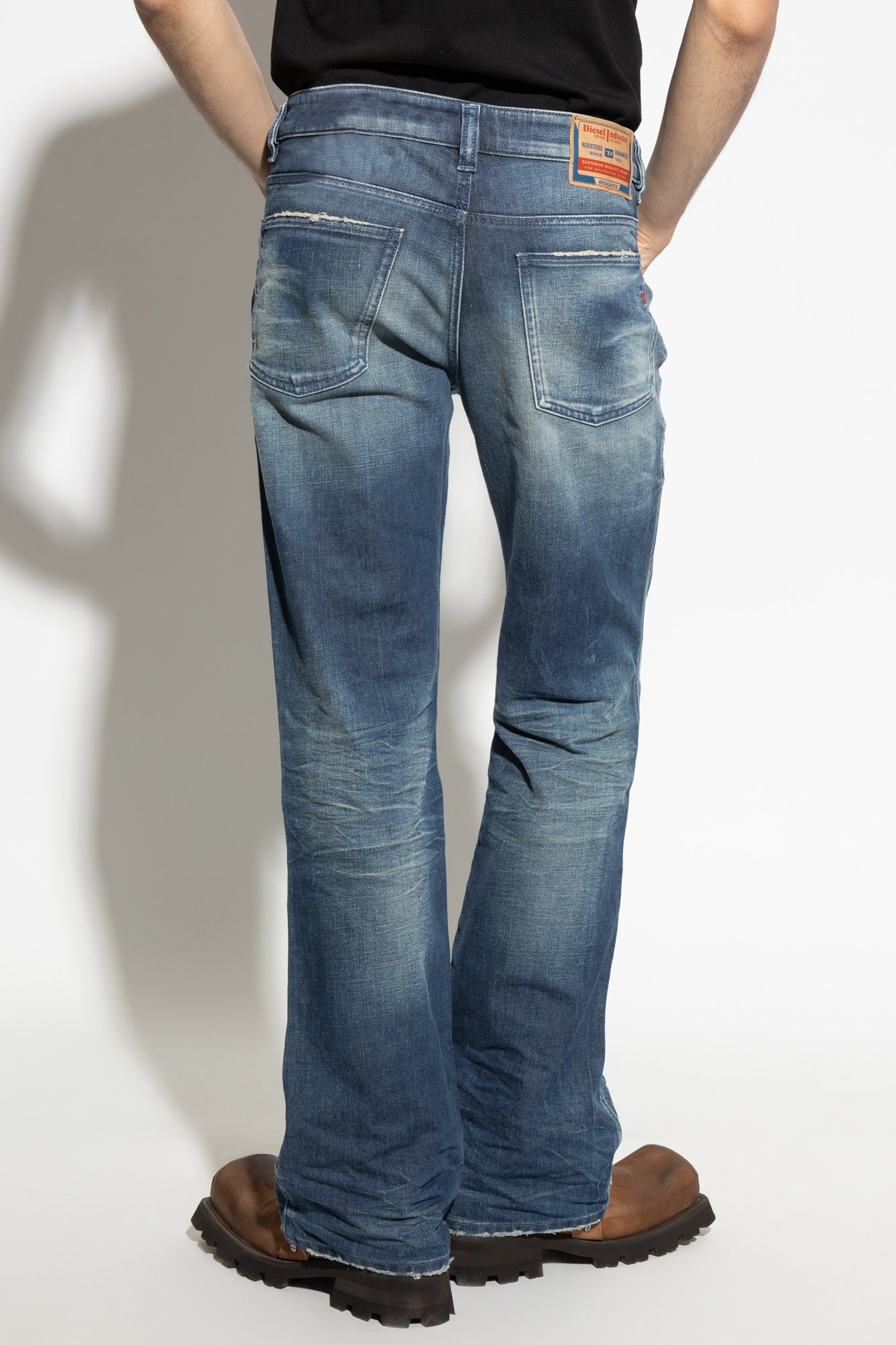
From a factory point of view, that means:
- More sampling rounds
- More failed experiments
- More manual work
- Higher production risk
That development cost is built into every piece.
Fabric & Material Investment
Diesel rarely uses “off-the-shelf” denim.
They work with mills to create:
- High-density cotton blends
- Stretch denim with strong recovery
- Coated and treated surfaces
- Recycled and experimental fibers
These fabrics:
- Cost more per meter
- React differently in washing
- Require special handling
- Hold shape better
From production alone, Diesel’s base material cost is often 2–3× that of standard brands.
Complex Wash & Finishing
A basic jean may use:
- One wash
- One drying cycle
- No hand work
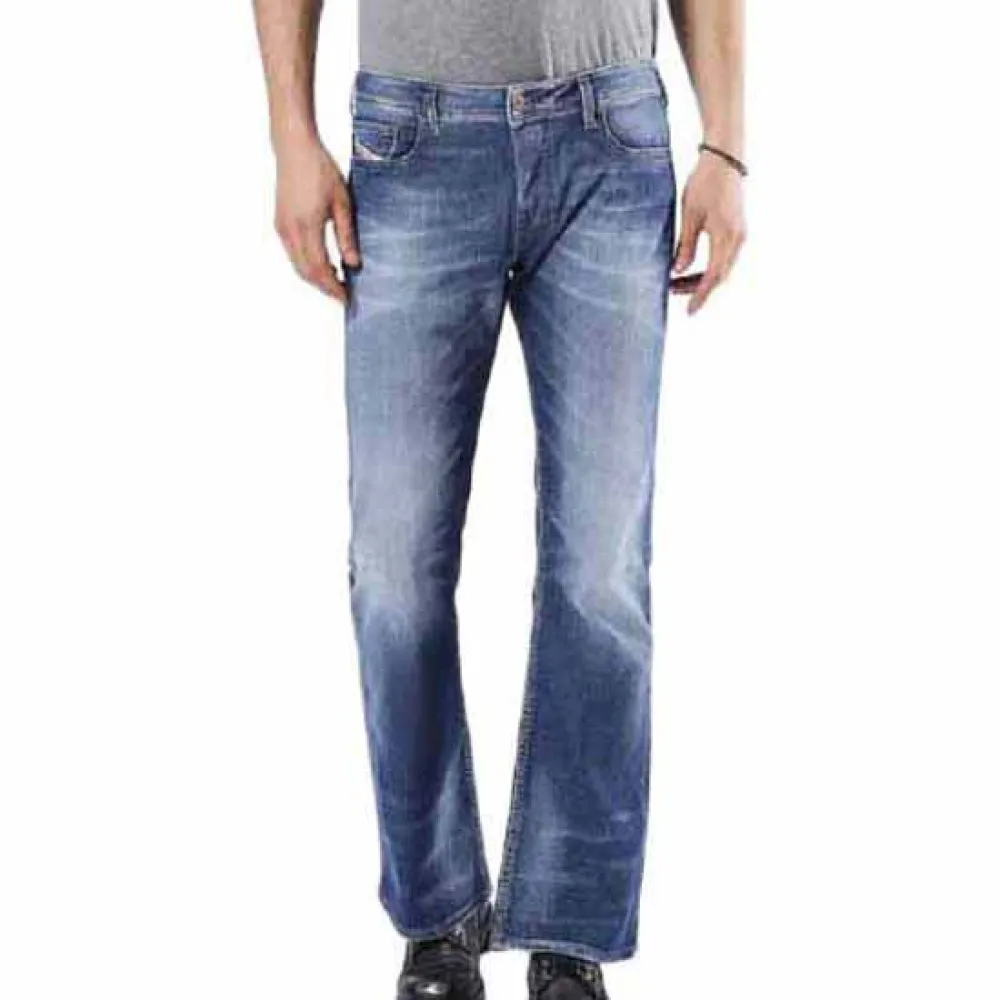
A Diesel jean often includes:
- Enzyme wash
- Stone wash
- Resin treatment
- Laser distressing
- Hand sanding
- Ozone finishing
That’s 4–6 processes on one garment.
Each step adds:
- Labor
- Time
- Machine cost
- Quality control
This is where Diesel’s visual depth comes from—and where much of the price is created.
Fashion Positioning & Brand Cost
Diesel isn’t selling utility.
It sells identity.
That involves:
- Creative directors
- Campaign production
- Global retail spaces
- Fashion shows
- Cultural storytelling
Brands like Balenciaga or Prada do the same—just at a higher tier.
Diesel sits lower in price, but it still carries fashion-house costs.
Diesel vs Regular Clothing Brands
| Aspect | Regular Brands | Diesel |
|---|---|---|
| Fabric | Standard | Custom-developed |
| Wash Process | Basic | Multi-stage & hand-finished |
| Design Approach | Trend-following | Experimental & original |
| Brand Role | Utility | Identity-driven |
| Price Range | $20–$80 | $150–$400+ |
| Product Purpose | Wearable | Expressive |
They serve different goals.
Regular brands sell clothes.
Diesel sells attitude in fabric form.
Is Diesel Worth the Price?
Diesel is worth it if you:
- Care about wash detail
- Value visual impact
- See clothing as identity
- Keep garments for years
- Like bold silhouettes
Diesel may not be worth it if you:
- Only need basics
- Replace clothes often
- Prefer minimal design
- Buy for price first
Diesel is for people who feel fashion, not just wear it.
FAQ
Is Diesel overpriced?
Not from a production and brand standpoint. The cost reflects design, wash, and positioning.
Is Diesel luxury?
It’s fashion-luxury denim—between premium and runway brands.
Why is Diesel more expensive than Levi’s?
Because Diesel invests far more in fabric development, wash processes, and fashion identity.
Internal Reference
If you’re building your own clothing brand, Diesel shows how development and identity create price power.
We help brands build premium products without waste at fukiapparel.