
The first time I saw Kenzo explode in Asia, it wasn’t on a runway—it was on the street.
Teenagers, musicians, office workers, and creatives were all wearing the same tiger sweatshirt, but in totally different ways.
That’s when I understood something important:
Kenzo doesn’t win by being “exclusive.”
It wins by being emotionally accessible.
So when people ask:
“Why is Kenzo so popular?”
They’re really asking why this luxury brand feels closer than most.
The short answer is:
Kenzo became popular because it blends luxury credibility with street energy, cultural openness, and visual joy.
Let’s break that down.
Table of Contents
- Quick Answer
- Kenzo’s Cultural Advantage
- Why Kenzo Feels Different from Other Luxury Brands
- The Role of Graphics and Icon Pieces
- Kenzo vs Traditional Luxury Houses
- Who Kenzo Is Perfect For
- FAQ
- Internal Reference
Quick Answer
Kenzo is popular because it offers:
- Luxury status without stiffness
- Bold, recognizable design
- Cultural crossover between East and West
- Streetwear energy inside a luxury frame
- Pieces that feel expressive, not formal
It belongs to the LVMH group and stands beside brands like Louis Vuitton and Dior—but it speaks in a lighter, more playful voice.
You can explore the brand directly at Kenzo.
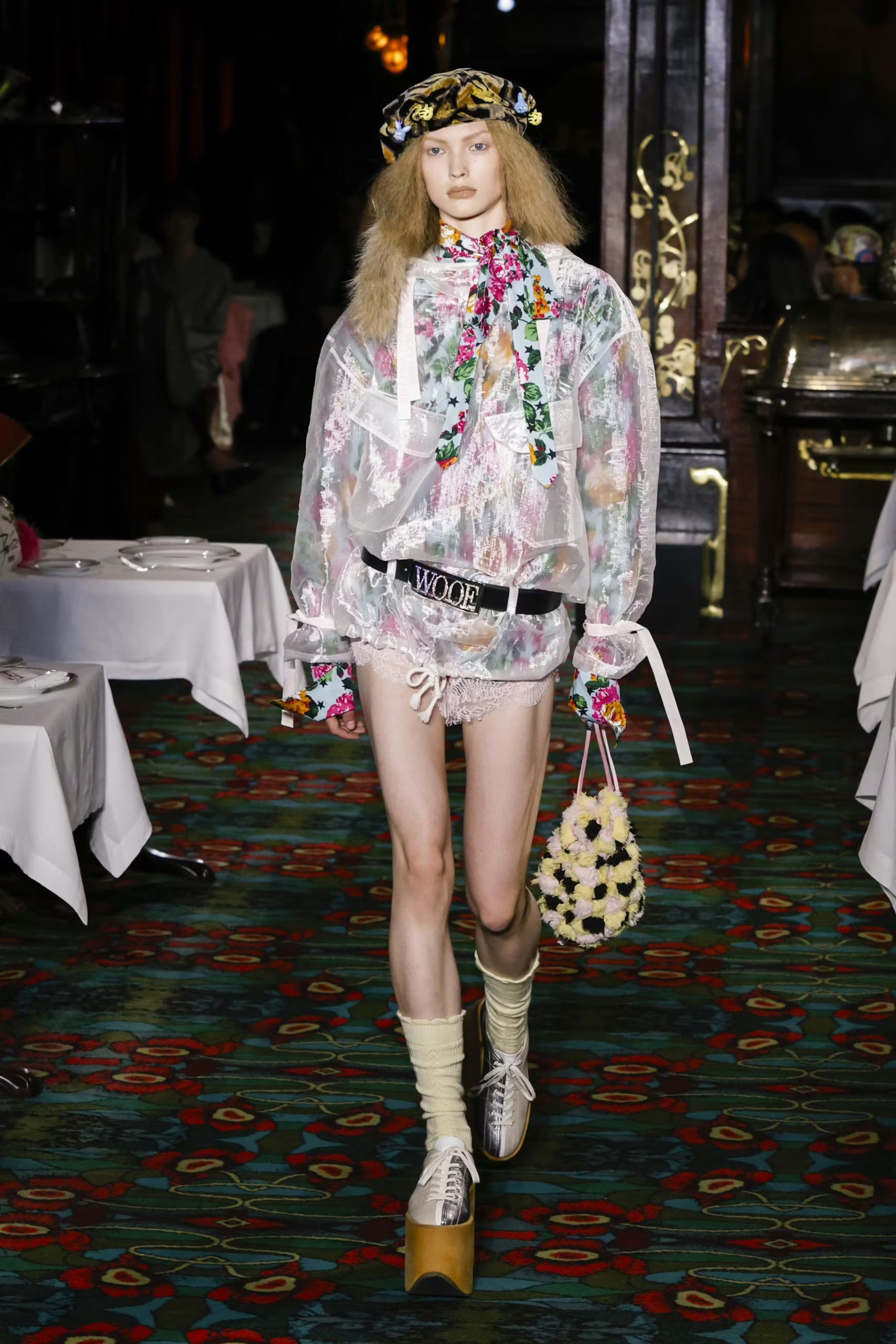
Kenzo feels like luxury you can live in.
Kenzo’s Cultural Advantage
Kenzo was founded by Kenzo Takada, a Japanese designer who built his career in Paris.
That gave the brand something rare:
- Eastern sensitivity
- Western fashion language
- Global perspective
- Multicultural DNA
From the beginning, Kenzo wasn’t bound by one tradition.
It celebrated:
- Color
- Pattern
- Movement
- Diversity
This made it naturally appealing in:
- Asia
- Europe
- Street culture
- Youth fashion
Kenzo feels global by design.
Why Kenzo Feels Different from Other Luxury Brands
Most luxury brands are built on:
- Distance
- Formality
- Aspiration
- Heritage hierarchy
Kenzo is built on:
- Openness
- Energy
- Playfulness
- Emotional connection
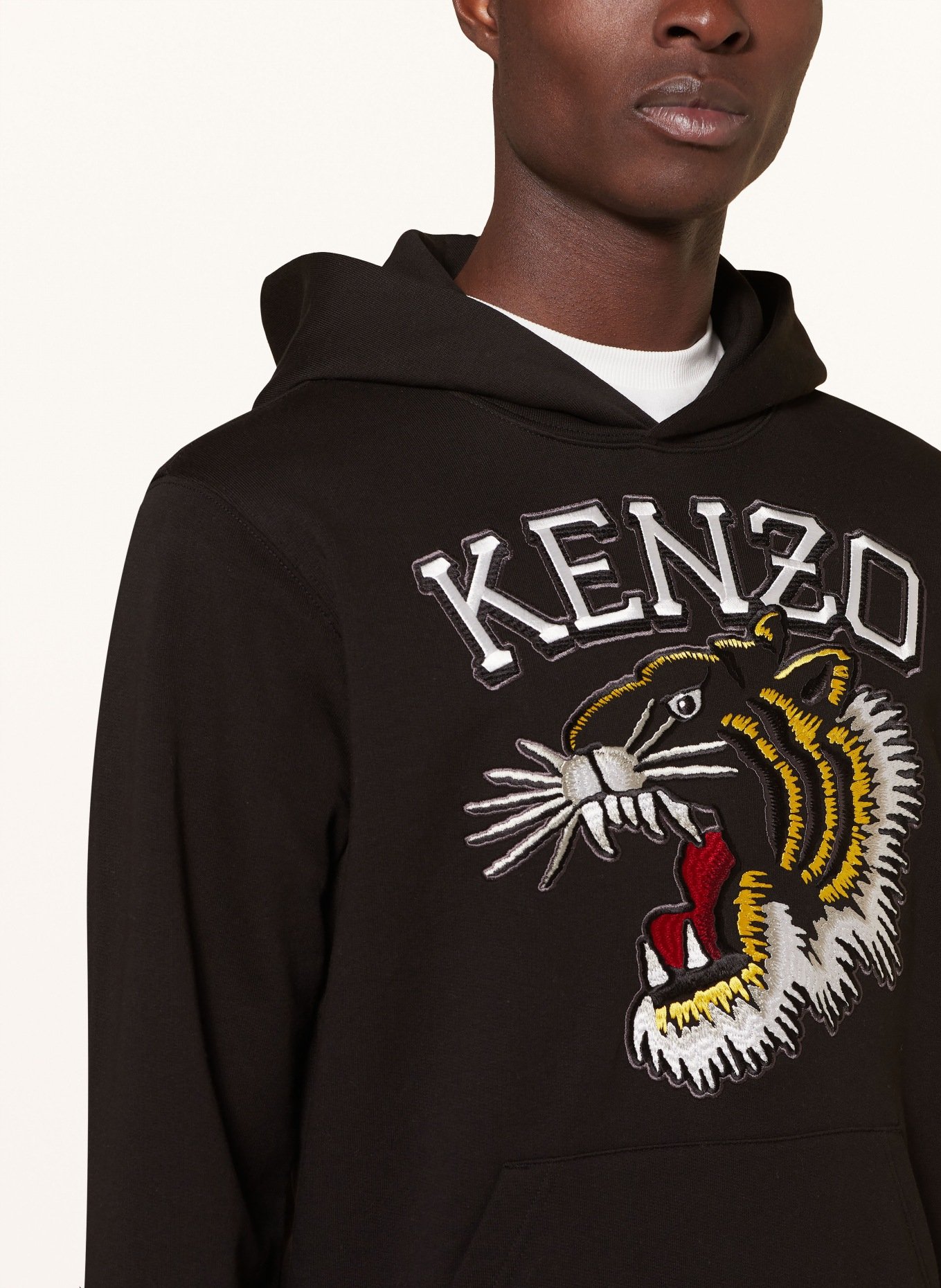
It doesn’t ask you to become “elegant.”
It lets you stay yourself.
That emotional accessibility is why it spreads fast.
The Role of Graphics and Icon Pieces
Kenzo’s popularity exploded because of:
- The Tiger sweatshirt
- Bold embroidery
- Loud color palettes
- Easy-to-wear silhouettes
These pieces did three things:
- Made Kenzo instantly recognizable
- Lowered the entry barrier to luxury
- Turned fashion into identity
You didn’t need to understand runway codes.
You just had to feel it.
That’s powerful.
Kenzo vs Traditional Luxury Houses
| Aspect | Traditional Luxury | Kenzo |
|---|---|---|
| Tone | Formal | Expressive |
| Entry Barrier | High | Lower |
| Visual Language | Subtle | Bold |
| Emotional Distance | Distant | Friendly |
| Core Appeal | Status | Personality |
Kenzo doesn’t whisper wealth.
It shows joy.
Who Kenzo Is Perfect For
Kenzo resonates with people who:
- Want luxury without stiffness
- Like bold visuals
- Live in cities
- Move between cultures
- Express identity through clothing
It’s ideal for:
- First-time luxury buyers
- Streetwear fans upgrading
- Creative professionals
- Global youth
Kenzo feels like a bridge.
FAQ
Is Kenzo still luxury?
Yes. It’s positioned and priced as a luxury brand.
Why is Kenzo more popular in Asia?
Because of cultural connection, graphic language, and accessibility.
Is Kenzo trend-driven?
It follows fashion cycles, but its core identity stays playful and open.
Internal Reference
If you’re building a fashion brand that balances global appeal with emotional accessibility, Kenzo is a masterclass.
Explore how we help brands design for culture, not just markets, at fukiapparel.