If you’ve ever seen the word “Vetements” on a hoodie and thought, “What does that even mean?”—you’re not alone.
From my experience working with streetwear and fashion brands, this question comes up constantly because Vetements looks bold, disruptive, and mysterious, yet the name itself feels almost… ordinary.
That contrast is exactly the point.
This article explains what “Vetements” really means, why the brand chose such a simple word, and how that choice reshaped modern fashion.
Table of Contents
- Quick Answer
- The Literal Meaning of “Vetements”
- Why the Brand Chose This Name
- What “Vetements” Represents in Fashion
- How the Name Shapes the Brand Identity
- Vetements vs Other Fashion Brand Names
- What This Means for Buyers
- FAQ
- Conclusion
- Internal Reference
Quick Answer
“Vetements” is French for “clothing.”
The brand chose this deliberately simple word to challenge what fashion means—turning something ordinary into something radical.
Official brand site: Vetements
The Literal Meaning of “Vetements”
In French:
- Vêtement = a garment
- Vêtements = clothes
So the name literally means “Clothes.”
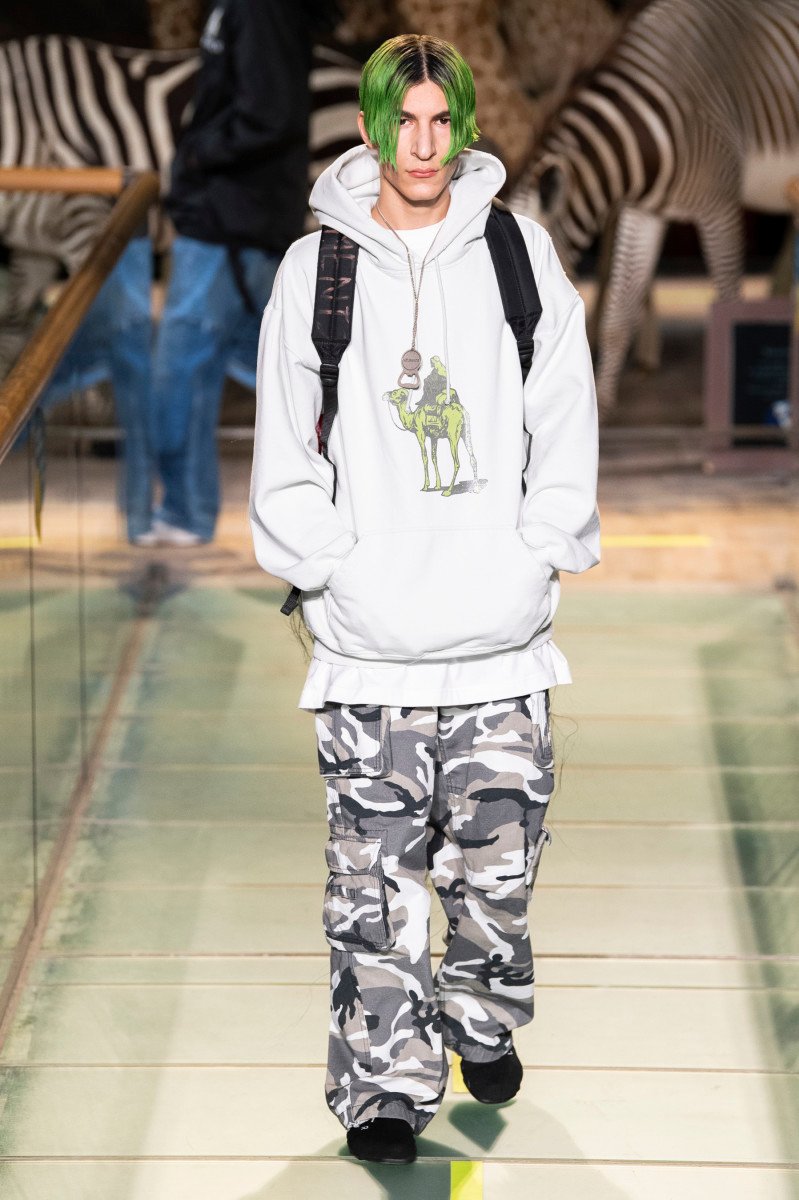
Not “luxury.”
Not “couture.”
Not “prestige.”
Just clothes.
From my perspective, that’s one of the smartest naming decisions in modern fashion. It strips away ego and forces you to focus on the object itself.
Why the Brand Chose This Name
Vetements was founded by Demna and Guram Gvasalia with one core idea:
Fashion had become too serious about itself.
By naming the brand simply “Clothes,” they made a statement:
- Luxury doesn’t need a grand name
- Fashion doesn’t need mythology
- A hoodie can be as meaningful as a gown
The name is ironic, minimal, and confrontational—all at once.
It asks a quiet question:
If this is just “clothing,” why does it make you feel something?
What “Vetements” Represents in Fashion
In practice, “Vetements” stands for:
- anti-glamour
- realism
- exaggeration of the ordinary
- critique of luxury culture
- elevation of everyday uniforms
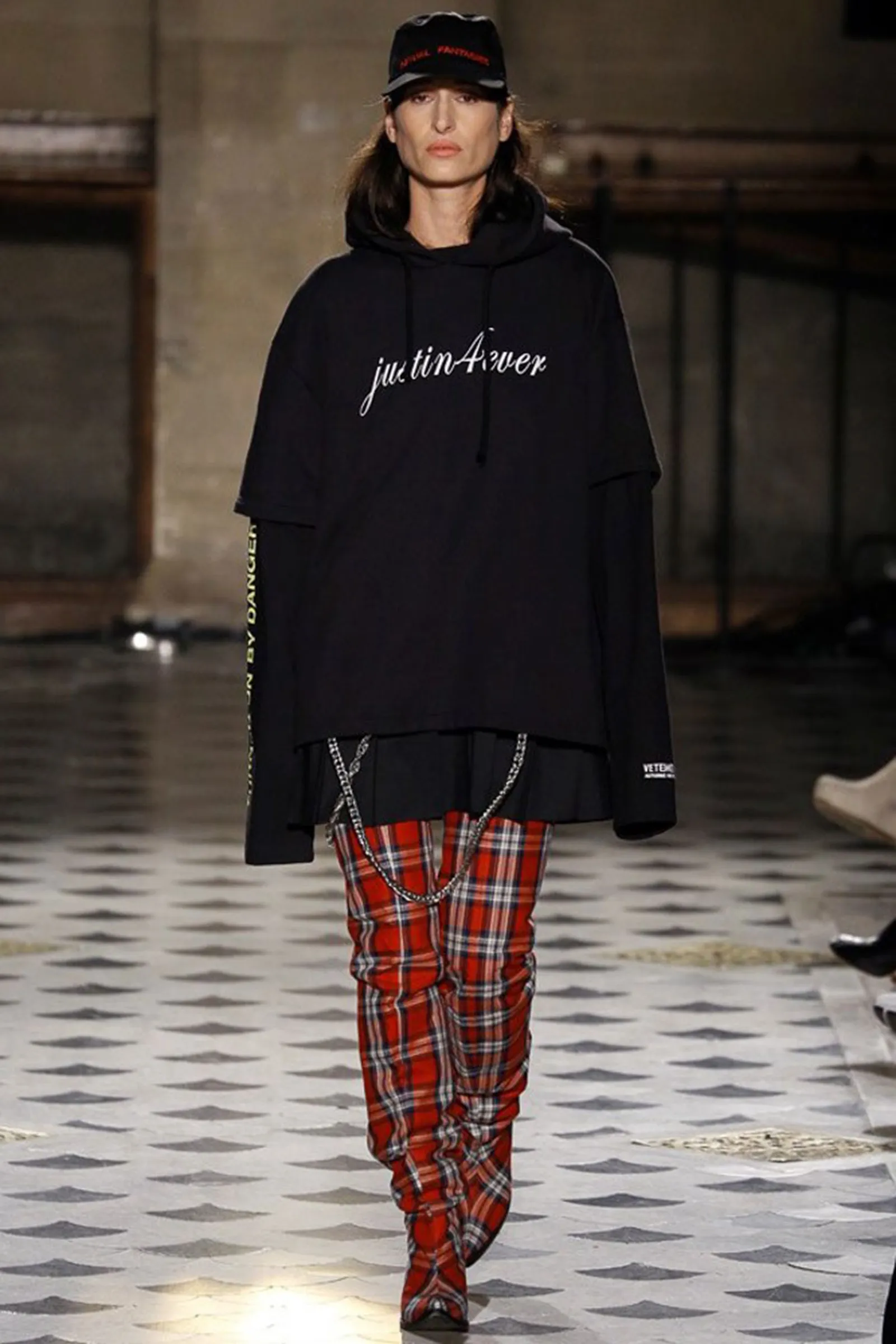
From my experience, Vetements treats:
- DHL tees
- hoodies
- bomber jackets
- workwear silhouettes
as cultural artifacts, not basics.
The name reminds you:
These are still just clothes—but culture decides their meaning.
How the Name Shapes the Brand Identity
Because the name is so neutral, the design becomes louder.
Vetements doesn’t rely on:
- heritage storytelling
- European mystique
- luxury symbolism
Instead, it relies on:
- proportion
- irony
- context
- cultural reference
The brand says:
We don’t need a story.
The world is the story.
That’s why the clothes feel like commentary.
Vetements vs Other Fashion Brand Names
| Brand Type | Name Strategy | Message |
|---|---|---|
| Heritage luxury | Founder name | Legacy |
| Streetwear | Symbol or slang | Identity |
| Tech fashion | Abstract term | Future |
| Vetements | Literal word | Reality |
Most brands add meaning.
Vetements removes it—then lets culture fill the space.
What This Means for Buyers
When you wear Vetements, you’re not just wearing a brand.
You’re wearing a question:
- What is fashion?
- Who decides value?
- Why does a hoodie cost this much?
From my experience, Vetements attracts people who:
- enjoy irony
- think about culture
- see clothing as language
- prefer concept over polish
It’s not about luxury.
It’s about awareness.
FAQ
Is “Vetements” just a random name?
No. It’s a deliberate choice meaning “clothes” in French.
Does the name mean the brand is anti-fashion?
Not anti-fashion—anti-pretension.
Why use French?
Because the brand operates in Paris and speaks to the fashion world in its own language.
Is the name part of the brand’s irony?
Yes. It’s one of its strongest conceptual tools.
Conclusion
So, what is the meaning of Vetements?
It literally means clothes.
But culturally, it means:
Everything we wear is ordinary—
until culture decides it isn’t.
From my perspective, Vetements doesn’t sell garments.
It sells a way of seeing fashion.
And that starts with a name that refuses to impress.
Internal Reference
If you’re developing statement garments, oversized silhouettes, or concept-driven streetwear and want to understand how naming, design, and production connect, explore fukiapparel for manufacturing insight.