
When people ask “What is the history of Stone Island jackets?”, they’re usually trying to understand why these jackets feel so different from normal outerwear.
From my experience working with apparel development, Stone Island didn’t grow by following fashion cycles.
It grew by treating fabric as technology—and jackets as the interface between people and environment.
The history of Stone Island jackets is not a story about trends.
It’s a story about experimentation, risk, and material revolution.
Table of Contents
- Quick Answer
- The Birth: 1982 and the First Jackets
- Massimo Osti’s Material Revolution
- The Rise of Garment Dyeing
- From Italy to Global Street Culture
- Iconic Eras of Stone Island Jackets
- Why the Jackets Became Cultural Symbols
- What This History Means for Buyers Today
- FAQ
- Conclusion
- Internal Reference
Quick Answer
Stone Island jackets began in 1982 as an experiment in military-inspired fabrics and evolved into the world’s most recognized fabric-driven outerwear system.
They became iconic because they:
- treated fabric as innovation
- dyed garments after construction
- fused utility with identity
- moved from Italy into global street culture
Each era added a new layer of meaning.
The Birth: 1982 and the First Jackets
Stone Island was founded in Italy in 1982 by designer Massimo Osti.
The very first jackets were made from:
- truck tarpaulin-inspired canvas
- coated cotton developed for industrial use
- fabrics never meant for fashion
These pieces weren’t designed to look stylish.
They were designed to withstand stress.
From a production point of view, this was radical.
Fashion normally adapts textiles.
Stone Island reengineered them.
Massimo Osti’s Material Revolution
Massimo Osti approached clothing like engineering.
He asked:
- What if fabric could behave?
- What if outerwear reacted to environment?
- What if garments aged instead of staying flat?
This mindset produced:
- heat-reactive surfaces
- reflective textiles
- resin-coated nylons
- experimental weaves
You can still see this philosophy on the official site:
Stone Island
From my perspective, this is why Stone Island jackets never feel like fashion—they feel like prototypes you can wear.
The Rise of Garment Dyeing
In the late 1980s and 1990s, Stone Island pioneered garment dyeing at scale.
Instead of dyeing fabric first, they dyed the finished jacket.
This created:
- tonal depth in seams
- uneven surfaces
- natural aging
- individuality
Factories normally avoid this because:
- threads absorb differently
- zippers react unpredictably
- coatings can fail
Stone Island accepted the risk.
Imperfection became identity.
From Italy to Global Street Culture
In the 1990s, Stone Island jackets moved from Italy into:
- UK football culture
- European youth scenes
- underground streetwear
The compass badge became a signal:
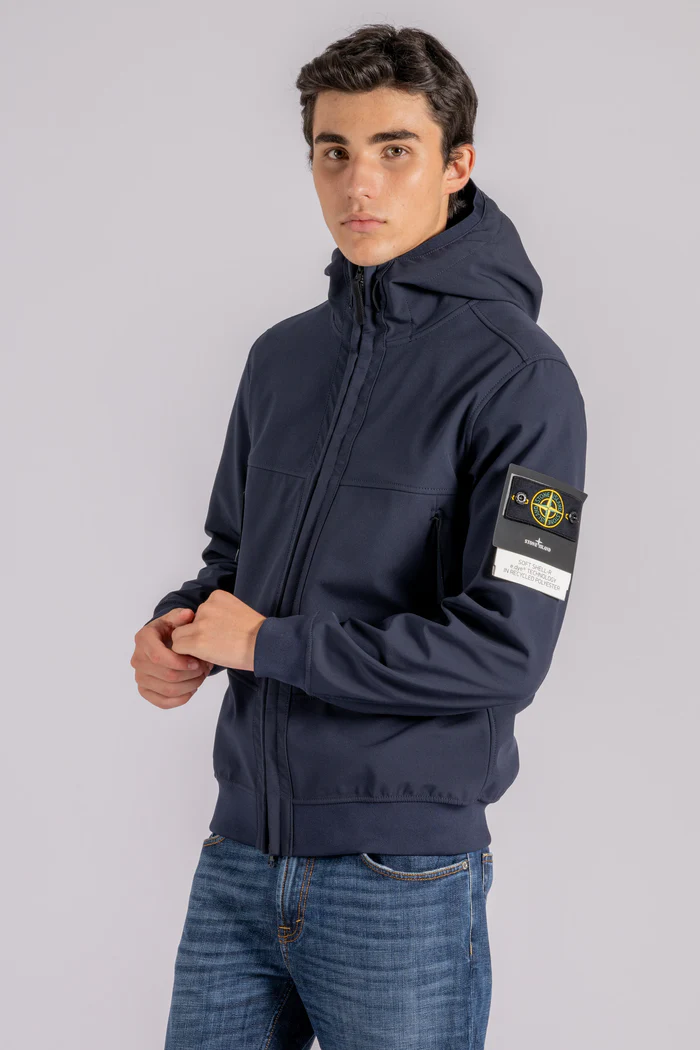
“I know what this is.”
It wasn’t luxury.
It wasn’t sportswear.
It was insider equipment.
Later, hip-hop and global street culture carried it worldwide.
Iconic Eras of Stone Island Jackets
Military & Utility Phase
- Dense canvases
- Field jackets
- Tactical silhouettes
Built for durability and function.
Experimental Fabric Phase
- Ice Jackets
- Reflective shells
- Resin-coated nylons
This era defined Stone Island’s reputation.
Modern Technical Systems
- Soft Shell-R
- Modular liners
- Climate-adaptive fabrics
Jackets became systems, not layers.
Why the Jackets Became Cultural Symbols
Stone Island jackets stood out because they were:
- hard to copy
- hard to understand
- hard to fake
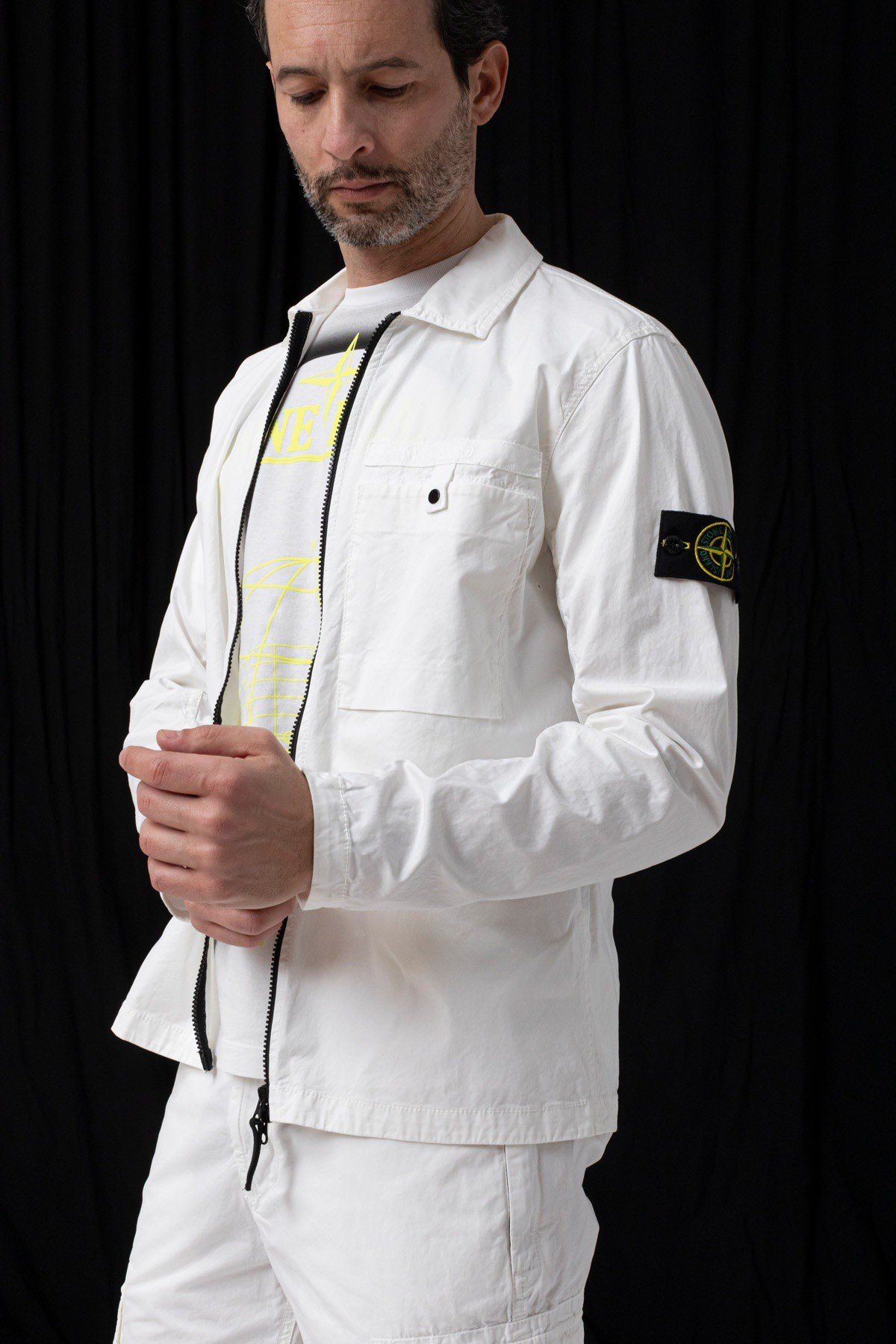
They rewarded knowledge.
From my experience, that’s how cult brands form—not through marketing, but through barriers to entry.
You didn’t just buy a jacket.
You learned what it meant.
What This History Means for Buyers Today
Understanding the history helps you choose better.
You’re not buying:
- a trend
- a seasonal look
- a logo
You’re buying into:
- material experimentation
- long-term wear
- system thinking
Stone Island jackets are built to outlive fashion cycles.
FAQ
When were Stone Island jackets first released?
In 1982, with military-inspired canvas pieces.
Who created the original designs?
Massimo Osti, one of the most influential menswear innovators.
Why are Stone Island jackets different from others?
Because they begin with fabric invention, not style.
Are today’s jackets still experimental?
Yes. Fabric R&D remains the core.
Conclusion
The history of Stone Island jackets is the history of treating clothing as technology.
From tarpaulin canvas in 1982
to climate-reactive systems today,
Stone Island proved one thing:
Jackets don’t have to follow fashion.
They can rewrite it.
Internal Reference
If you’re interested in how experimental fabrics and jacket systems are developed at factory level, explore fukiapparel to see how performance concepts become real garments.