
If you’ve ever asked “Why is Stone Island so famous?”, you’re probably noticing how often the brand appears—on football terraces, in hip-hop culture, and on fashion runways.
From my experience working around apparel development and brand positioning, Stone Island isn’t famous because of hype drops or celebrity noise.
It’s famous because it turned fabric innovation into identity.
Stone Island is one of the few brands where people don’t just wear the logo—they believe in what it stands for.
Table of Contents
- Quick Answer
- What Makes Stone Island Different
- The Power of Fabric Innovation
- How Stone Island Became a Cultural Symbol
- Stone Island vs Other Premium Brands
- Who Stone Island Is Really For
- FAQ
- Conclusion
- Internal Reference
Quick Answer
Stone Island is famous because it fused advanced fabric technology with street culture—creating a brand that feels both scientific and rebellious.
It’s not just clothing.
It’s experimentation you can wear.
What Makes Stone Island Different
Most brands start with:
- silhouettes
- trends
- seasonal colorways

Stone Island starts with materials.
Founded in Italy in 1982 by Massimo Osti, the brand became known for:
- garment dyeing
- heat-reactive fabrics
- reflective and coated textiles
- military-inspired construction
You can see this philosophy on the brand’s official site:
Stone Island
From an industry perspective, Stone Island behaves more like a textile lab than a fashion label.
That’s rare.
The Power of Fabric Innovation
Stone Island’s fame is built on experimentation:
- jackets that change color with temperature
- fabrics developed for aerospace and military use
- custom dye processes applied after construction
- materials you don’t find in standard factories
From my experience, most brands select from catalogs.
Stone Island creates materials.
That creates two effects:
- Visual uniqueness
- Technical credibility
People don’t buy Stone Island just for style.
They buy it for engineering.
How Stone Island Became a Cultural Symbol
Stone Island gained cult status through:
- European football culture
- underground youth movements
- UK streetwear scenes
- later, global hip-hop adoption
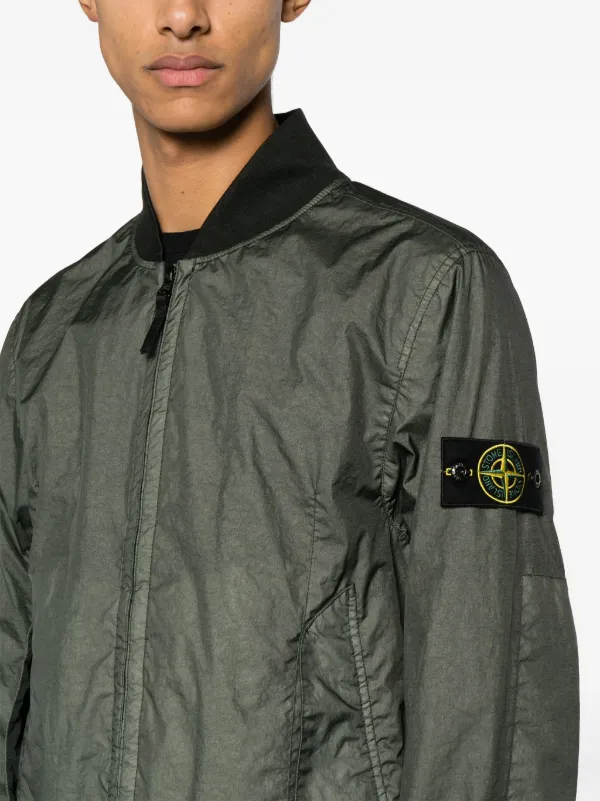
The compass badge became a signal:
“I know what this is.”
It wasn’t mainstream luxury.
It was insider culture.
From my perspective, Stone Island became powerful because it was:
- hard to copy
- hard to understand
- hard to fake
That mystery built loyalty.
Stone Island vs Other Premium Brands
| Brand Type | Core Focus | What Makes It Famous |
|---|---|---|
| Stone Island | Fabric science | Material innovation |
| Luxury houses | Heritage | Craft & tradition |
| Streetwear brands | Culture | Hype & drops |
| Sportswear brands | Performance | Functionality |
Stone Island sits alone in the material-first category.
It doesn’t chase trends.
It builds technology.
Who Stone Island Is Really For
Stone Island fits people who:
- care about construction
- value uniqueness
- dislike obvious fashion cycles
- enjoy technical detail
It may not suit those who:
- prefer minimalist basics
- want low-maintenance garments
- dislike statement pieces
- buy purely on trend
From my experience, Stone Island attracts people who see clothing as equipment, not decoration.
FAQ
Is Stone Island a luxury brand?
It’s best described as technical premium wear, not traditional luxury.
Why is it expensive?
Because of proprietary fabrics, dyeing processes, and low replication potential.
Is the compass badge removable?
Yes, many pieces allow it to be detached.
Is Stone Island still innovative today?
Yes. Fabric R&D remains its core identity.
Conclusion
So, why is Stone Island so famous?
Because it proved that fabric itself can be a brand.
From my perspective, Stone Island isn’t about fashion cycles.
It’s about exploration.
And in a world full of copied styles,
original material thinking becomes power.
Internal Reference
For insight into how innovative fabrics and technical apparel are developed and scaled for modern brands, visit fukiapparel.