
If you’re searching “How to tell fake Jordan 1 Low?”, you’re likely staring at a pair that feels almost right—but not quite.
From my experience working around footwear QC, the Jordan 1 Low is one of the most commonly faked silhouettes.
It’s popular, simple in structure, and easy for replica factories to copy.
This guide shows you exactly where real pairs differ from fakes—using fast, practical checks you can do at home.
Table of Contents
- Quick Answer
- Check the Overall Shape
- Inspect the Swoosh
- Look at the Wings Logo
- Examine the Toe Box
- Feel the Materials
- Verify the Box Label
- Real vs Fake Jordan 1 Low: Quick Table
- What to Do If You’re Unsure
- FAQ
- Conclusion
- Internal Reference
Quick Answer
Fake Jordan 1 Lows usually give themselves away through shape errors, sloppy logos, cheap leather, and incorrect box labels.
Real pairs feel balanced and intentional.
Fakes feel close—but off.
That “off” feeling is what you’re learning to spot.
Check the Overall Shape
Start by looking at the shoe from the side.
Authentic Jordan 1 Low:
- clean, even profile
- smooth heel curve
- balanced collar height
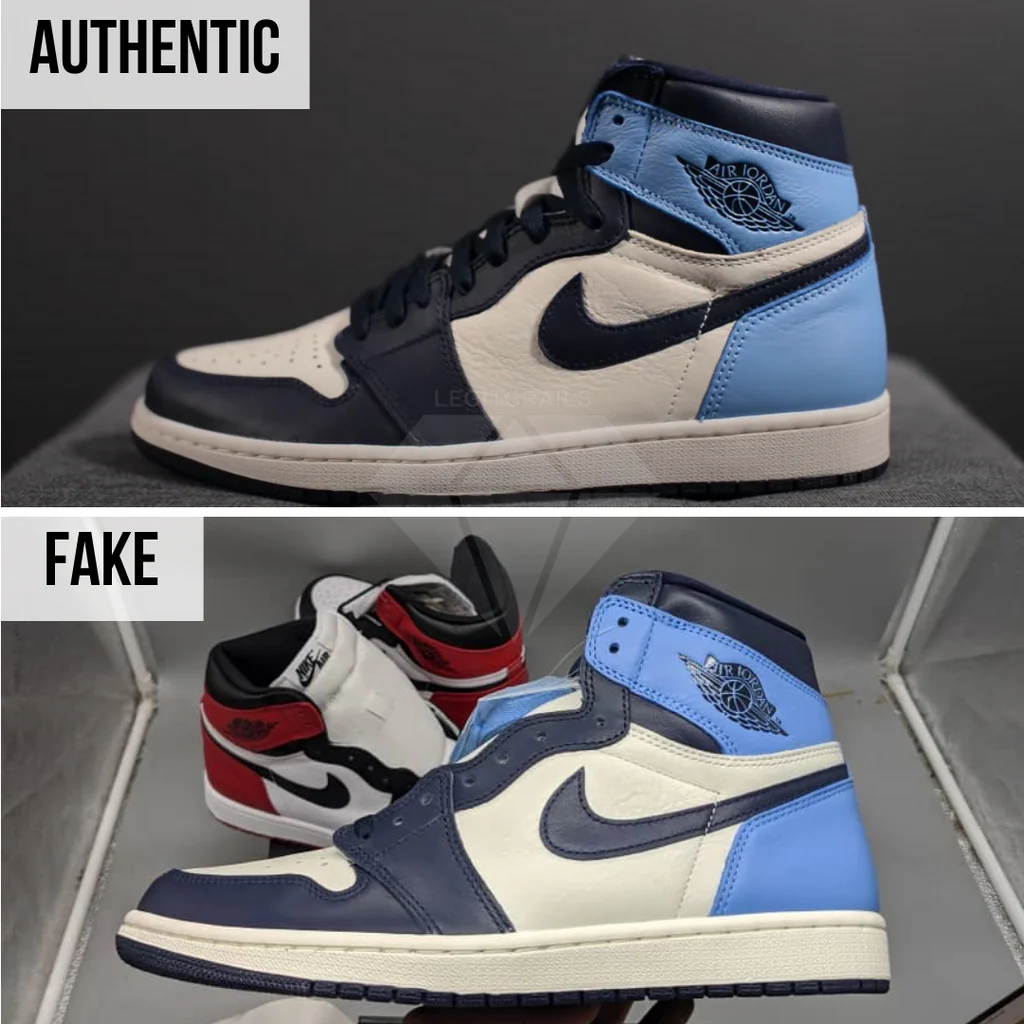
Common fake signs:
- bulky heel
- flat or awkward arch
- uneven left/right shoes
From a factory standpoint, real molds are precise.
Replica molds often distort proportions.
Inspect the Swoosh
The Swoosh is one of the most reliable tells.
Real pairs show:
- clean edges
- consistent thickness
- tight stitching
Fakes often have:
- wavy edges
- uneven thickness
- loose or crooked stitches
On a real pair, the Swoosh looks engineered.
On a fake, it looks applied.
Look at the Wings Logo
Jordan 1 Low uses the Wings logo on the heel.
Check for:
- sharp feather details
- correct proportions
- centered placement
Fakes often show:
- blurred lines
- incorrect wing shape
- off-center stamping
Small distortions here are major red flags.
Examine the Toe Box
Press gently on the toe.
Authentic pairs:
- spring back smoothly
- hold structure
- feel layered
Fake pairs:
- collapse too easily
- feel hollow
- wrinkle oddly
From my experience, toe structure is hard for replicas to perfect.
Feel the Materials
Real Jordan 1 Lows use:
- structured leather
- consistent grain
- firm padding
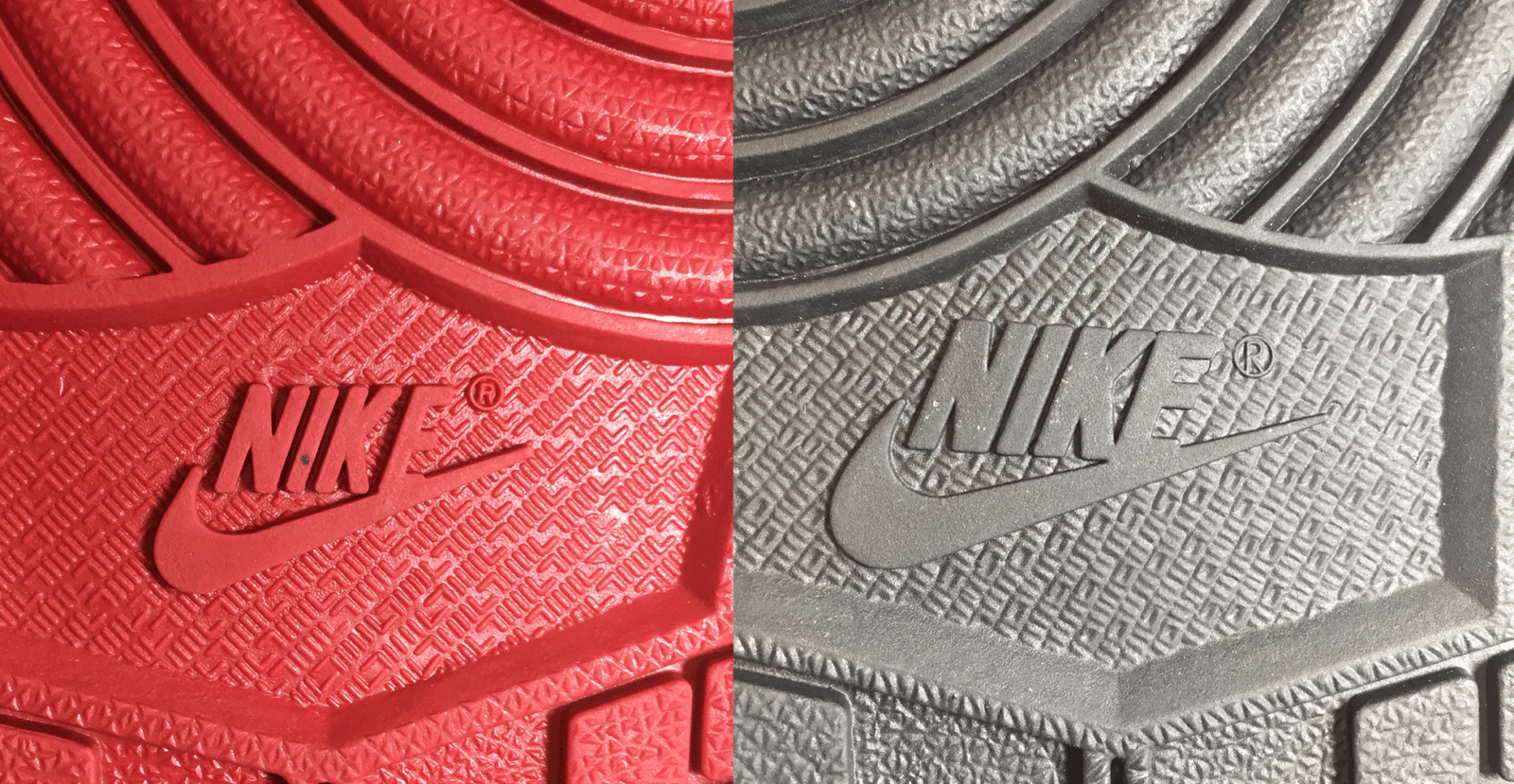
Fakes often feel:
- plastic-like
- overly soft
- uneven in texture
Touch tells the truth when photos can’t.
Verify the Box Label
Check the sticker for:
- correct model name
- accurate colorway
- valid product code
- clean printing
Copy the product code and search it online.
If it shows a different shoe, the pair is fake.
Official references are available here:
Jordan Brand
Real vs Fake Jordan 1 Low: Quick Table
| Feature | Real Pair | Fake Pair |
|---|---|---|
| Shape | Balanced | Awkward |
| Swoosh | Clean & sharp | Wavy |
| Wings logo | Detailed | Blurry |
| Toe box | Structured | Collapses |
| Materials | Firm leather | Cheap feel |
| Box label | Accurate | Mismatched |
One feels engineered.
The other feels assembled.
What to Do If You’re Unsure
If something feels off:
- Compare with official images
- Ask for more seller photos
- Use authentication services
- Avoid “too good to be true” prices
From my experience, most mistakes happen when buyers rush.
FAQ
Are Jordan 1 Lows faked more than highs?
Yes. They’re cheaper, popular, and easier to replicate.
Can fakes be very close?
Yes—especially for common colorways.
Is one flaw enough to confirm a fake?
Not always. Look for patterns, not single issues.
Do real pairs ever have minor flaws?
Yes—but they remain structurally correct.
Conclusion
Telling fake Jordan 1 Lows apart isn’t about memorizing one trick.
It’s about learning to recognize consistency.
Real pairs feel deliberate—in shape, in materials, in detail.
Fakes always feel like they’re trying.
Once you see that difference, you’ll never unsee it.
Internal Reference
For insight into how authentic sneakers are engineered and how QC teams maintain consistency across large-scale production, visit fukiapparel.