
If you’ve ever bought Jordans online and stared at the box label thinking, “Is this sticker real?”, you’re asking the right question.
From my experience working around footwear production and QC, the box sticker is one of the first places counterfeit pairs fail.
Replicas often look convincing on the shoe—but the label tells a different story.
This guide shows you exactly how to read a Jordan sticker, what real ones look like, and how to spot fake details in seconds.
Table of Contents
- Quick Answer
- What a Real Jordan Sticker Should Show
- Common Signs of a Fake Jordan Sticker
- How to Compare With Official Data
- Real vs Fake Jordan Sticker: Quick Table
- What to Do If the Sticker Looks Wrong
- FAQ
- Conclusion
- Internal Reference
Quick Answer
A fake Jordan sticker usually has wrong fonts, spacing errors, mismatched product codes, or low-quality printing.
Real stickers look precise and industrial.
Fake ones often feel approximate.
That “almost right” look is your warning sign.
What a Real Jordan Sticker Should Show
Every authentic Jordan box label includes:
- Model name
- Colorway
- Size (US / EU / UK / CM)
- Product code (e.g., 555088-105)
- Barcode
- Country of manufacture
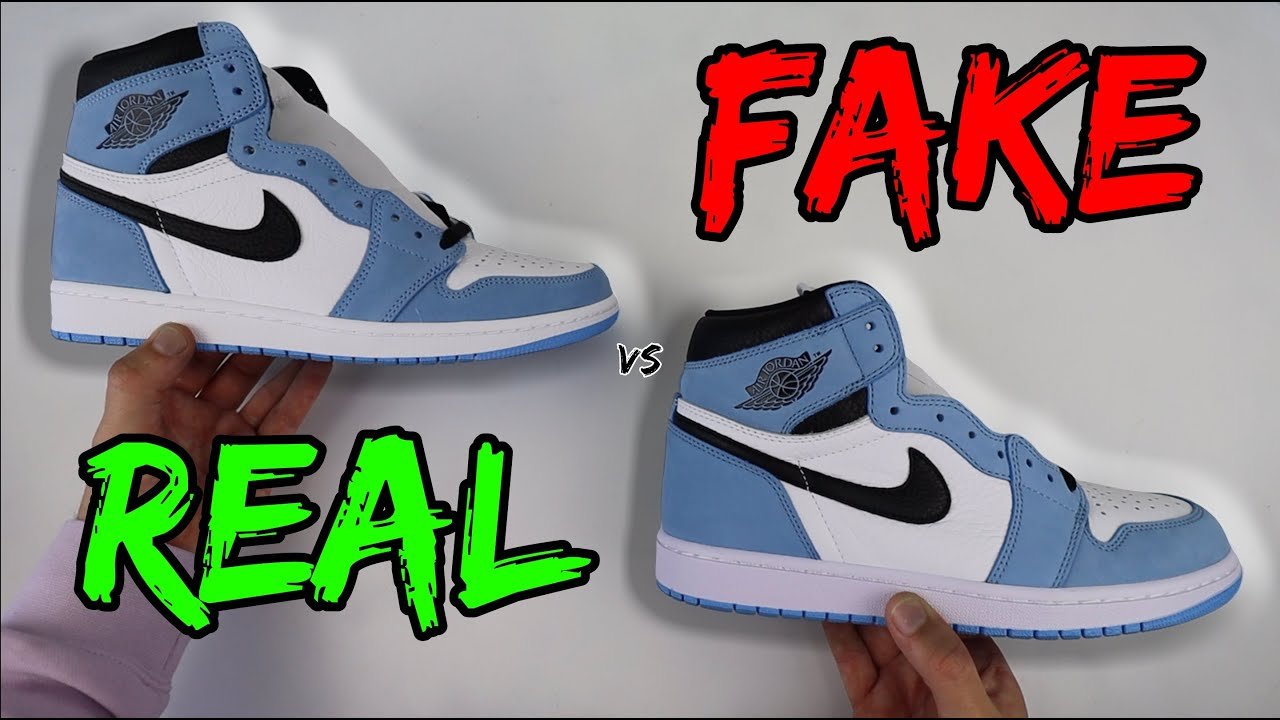
The printing should be:
- sharp
- evenly spaced
- aligned
- consistent in font weight
You can see how Jordan presents official products here:
Jordan Brand
From a factory standpoint, these labels are machine-printed under strict templates.
There is very little variation between real boxes.
Common Signs of a Fake Jordan Sticker
This is where replicas fail most often.
1. Font Looks “Off”
- Too bold or too thin
- Inconsistent letter height
- Wrong spacing between characters
2. Product Code Doesn’t Match
- Code doesn’t exist online
- Code matches a different model
- One digit off
3. Poor Print Quality
- Blurry edges
- Ink bleeding
- Smudged barcode
4. Layout Errors
- Misaligned size columns
- Crooked label placement
- Awkward margins
From my experience, real stickers feel engineered.
Fake ones feel recreated.
How to Compare With Official Data
Use this simple process:
- Copy the product code from the sticker
- Search it on Google
- Compare with official retailer images
- Check if the model, color, and year match
Trusted references include:
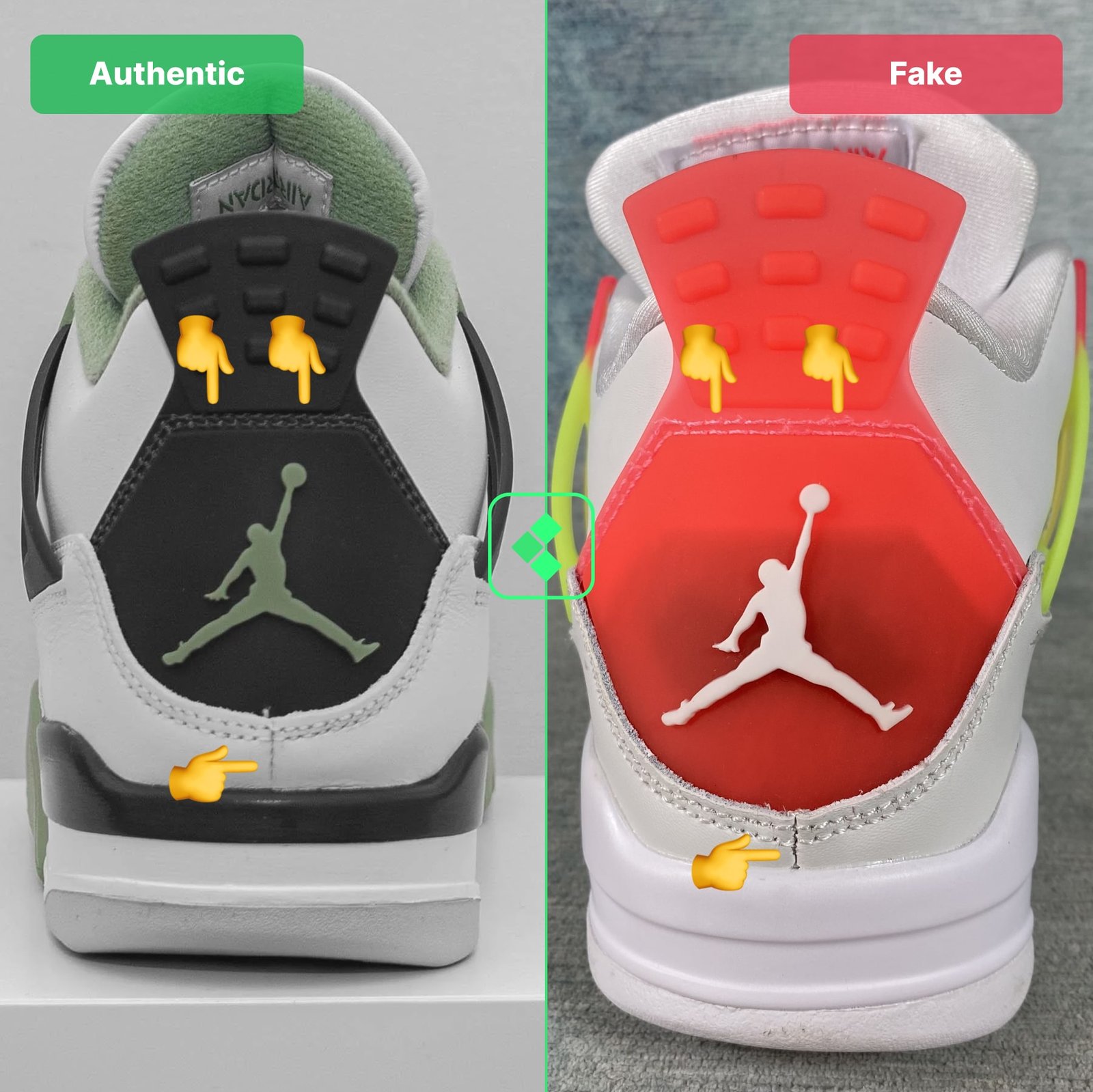
- Nike product pages
- Major sneaker retailers
- Official Jordan releases
If the code brings up a different shoe, the pair is fake.
Real vs Fake Jordan Sticker: Quick Table
| Feature | Real Jordan Sticker | Fake Sticker |
|---|---|---|
| Font | Uniform & sharp | Inconsistent |
| Product code | Matches online | Wrong or mismatched |
| Print quality | Clean | Blurry |
| Alignment | Perfect grid | Crooked |
| Feel | Industrial | DIY-like |
One feels manufactured.
The other feels imitated.
What to Do If the Sticker Looks Wrong
If you spot red flags:
- Pause the purchase
- Ask the seller for clearer photos
- Cross-check product codes
- Use authentication services
- Avoid “too cheap” deals
From my experience, the sticker is the fastest filter.
It saves you time before you even touch the shoe.
FAQ
Can real Jordans have small label flaws?
Yes, but the structure and data remain correct.
Do all fake Jordans have wrong stickers?
Not all—but many do.
Is a correct sticker a guarantee of authenticity?
No. It’s one checkpoint, not the final verdict.
Are stickers the same across countries?
Yes. Nike uses global label templates.
Conclusion
Spotting a fake Jordan sticker isn’t about memorizing one detail.
It’s about recognizing precision.
Real stickers are consistent, aligned, and data-accurate.
Fake ones look close—but never exact.
Once you learn that difference, the label becomes your first line of defense.
Internal Reference
For insight into how authentic footwear labels and QC systems are designed at scale—and how brands prevent counterfeits in production—visit fukiapparel.