
If you’ve ever checked the label inside your sneakers and wondered, “Are Jordans made in China?”—you’re asking a smart question.
From my experience working around footwear and apparel production, many buyers assume “Made in China” means lower quality.
In reality, it usually means industrial-scale precision, not compromise.
This article explains where Jordans are actually made, why China plays a major role, and what that means for quality and authenticity.
Table of Contents
- Quick Answer
- Where Jordans Are Really Made
- Why So Many Jordans Come From China
- Does “Made in China” Mean Lower Quality?
- China vs Other Jordan Manufacturing Countries
- What This Means for Buyers
- FAQ
- Conclusion
- Internal Reference
Quick Answer
Yes—many Jordans are made in China.
But they are also produced in countries like Vietnam and Indonesia.
The country of origin does not determine whether a Jordan is real or high quality.
What matters is that it’s produced in a Nike-authorized factory.
Where Jordans Are Really Made
Jordan Brand operates through Nike’s global manufacturing network.
You’ll typically see labels such as:
- Made in China
- Made in Vietnam
- Made in Indonesia
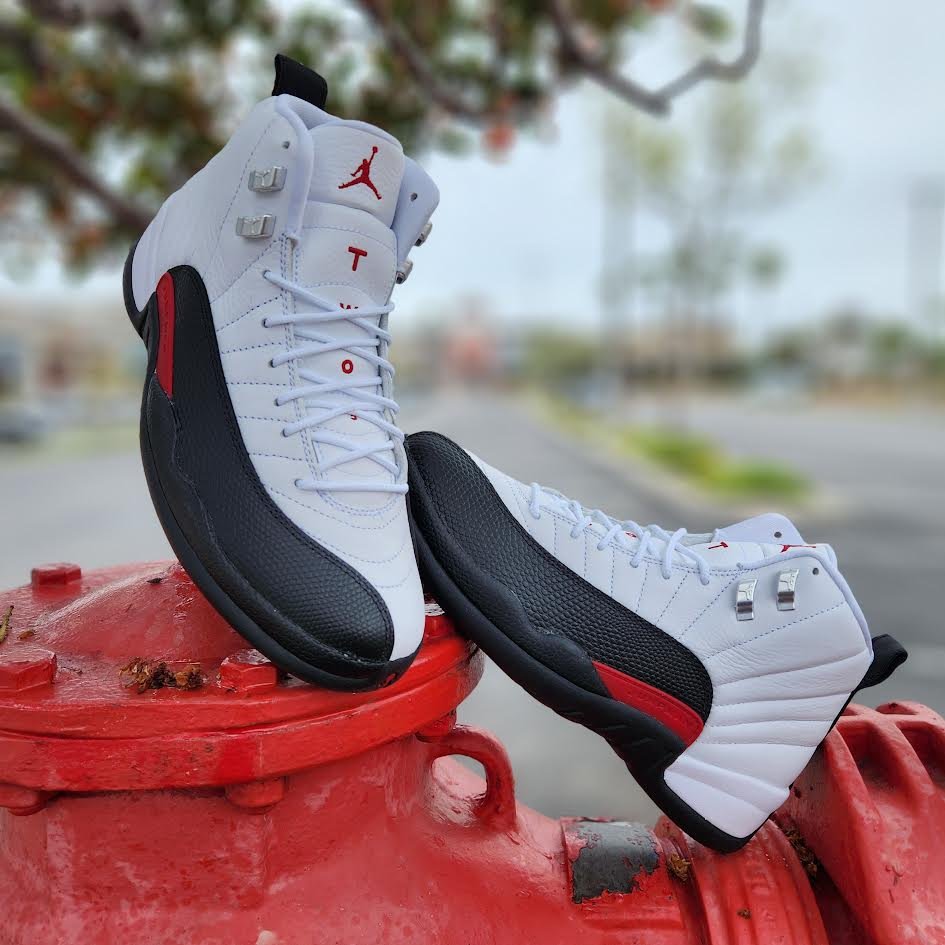
All of these locations are part of Nike’s approved factory system.
You can see how Jordan presents itself officially here:
Jordan Brand
From an industry perspective, these factories follow:
- standardized materials
- controlled molds and tooling
- strict QC processes
- brand-level compliance
A real Jordan is defined by authorization, not geography.
Why So Many Jordans Come From China
China became a footwear powerhouse because it offers:
- advanced machinery
- experienced labor
- complex supply chains
- rapid scale capability
Modern sneakers are not simple products.
They involve:
- molded soles
- layered uppers
- foam engineering
- glue chemistry
- pressure shaping
From my experience, Chinese factories excel at:
Repeating complex builds at massive scale—accurately.
That’s exactly what a global brand like Jordan needs.
Does “Made in China” Mean Lower Quality?
This is a common misconception.
In reality:
- Luxury handbags
- Premium electronics
- Performance footwear
are all manufactured in China.
Quality is determined by:
- brand standards
- material specs
- QC enforcement
- production discipline
A $20 fake and a $200 Jordan can both be “Made in China.”
The difference is who controls the factory.
China vs Other Jordan Manufacturing Countries
| Country | Role in Jordan Production | Key Strength |
|---|---|---|
| China | High-complexity builds | Precision & tooling |
| Vietnam | Large-scale assembly | Efficiency |
| Indonesia | Labor-intensive models | Cost balance |
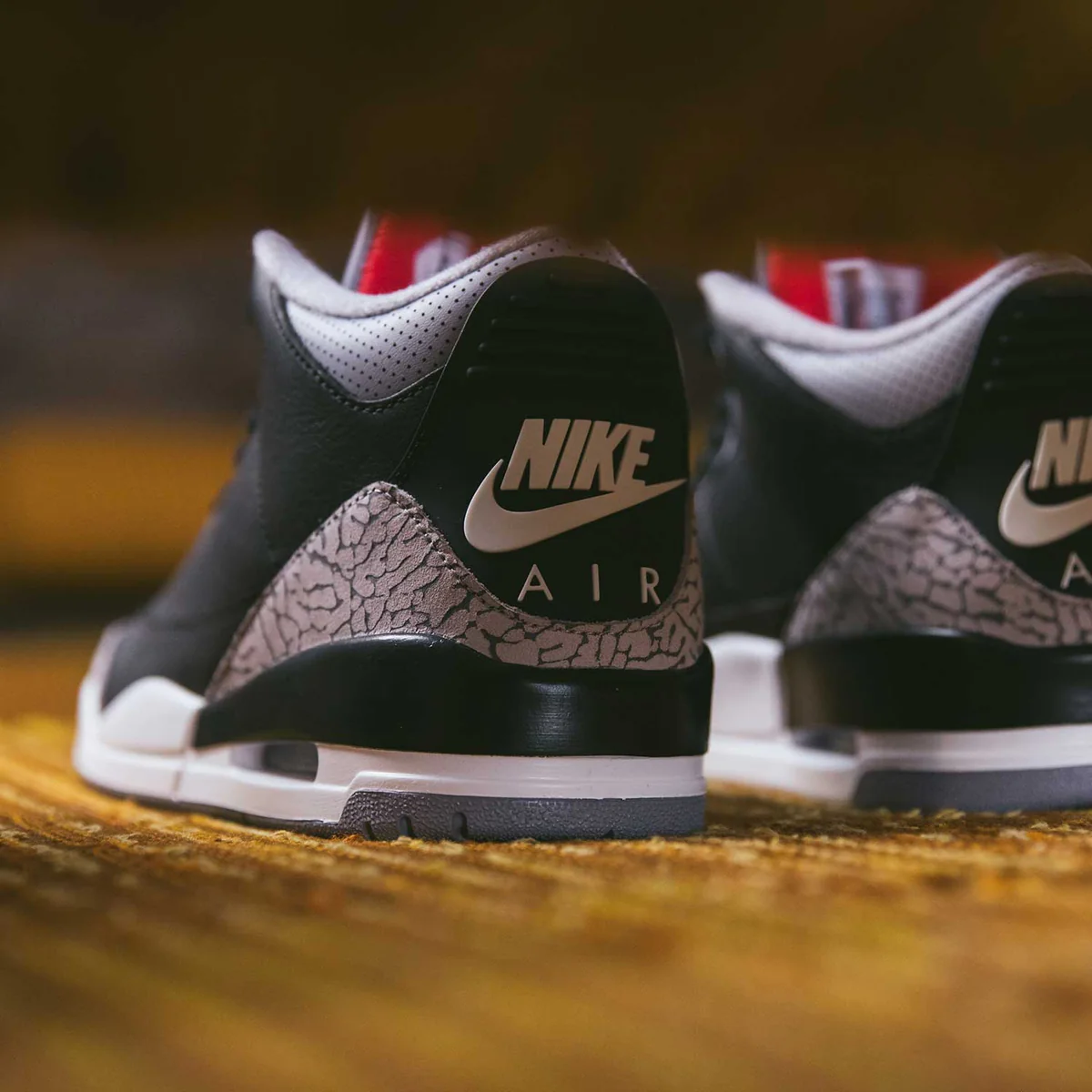
All three are part of the same controlled system.
From a production standpoint, they are peers—not tiers.
What This Means for Buyers
Understanding this helps you avoid two mistakes:
- Thinking “Made in China” means fake
- Assuming “Made elsewhere” means better
A real Jordan is defined by:
- correct box label
- consistent shape
- precise logos
- authentic materials
- Nike-authorized origin
Not by the country name.
From my perspective, the label tells you where it was built—not how well it was built.
FAQ
Are all Jordans made in China?
No. Many are made in Vietnam and Indonesia.
Are Chinese-made Jordans authentic?
Yes—if produced in Nike-authorized factories.
Do fakes also come from China?
Yes. Geography doesn’t equal legitimacy.
Is quality the same across countries?
Yes. Standards are controlled by Nike, not the factory’s location.
Conclusion
So, are Jordans made in China?
Yes—many of them are. And that’s by design.
From my experience, China isn’t a shortcut.
It’s a production engine.
What matters isn’t the country.
It’s the system behind the shoe.
And Jordan operates at the highest level of that system.
Internal Reference
For insight into how global brands manage footwear and apparel production across China and Southeast Asia while maintaining consistent quality, visit fukiapparel.