
If you’ve ever walked into Primark and thought, “Is this like T.J. Maxx?”, you’re asking a very smart question.
From my experience working around retail and apparel production, the two stores feel similar on the surface—both are affordable, busy, and full of surprises—but their business models are completely different.
Let’s clear that up in a practical way.
Table of Contents
- Quick Answer
- Why People Compare Primark and T.J. Maxx
- How Primark Actually Works
- How T.J. Maxx Actually Works
- Primark vs T.J. Maxx: Key Differences
- Which One Is Right for You?
- FAQ
- Conclusion
- Internal Reference
Quick Answer
No, Primark is not like T.J. Maxx in how it operates.
They may both feel like “value stores,” but:
- Primark sells its own newly made clothing
- T.J. Maxx sells overstock and off-price goods from other brands
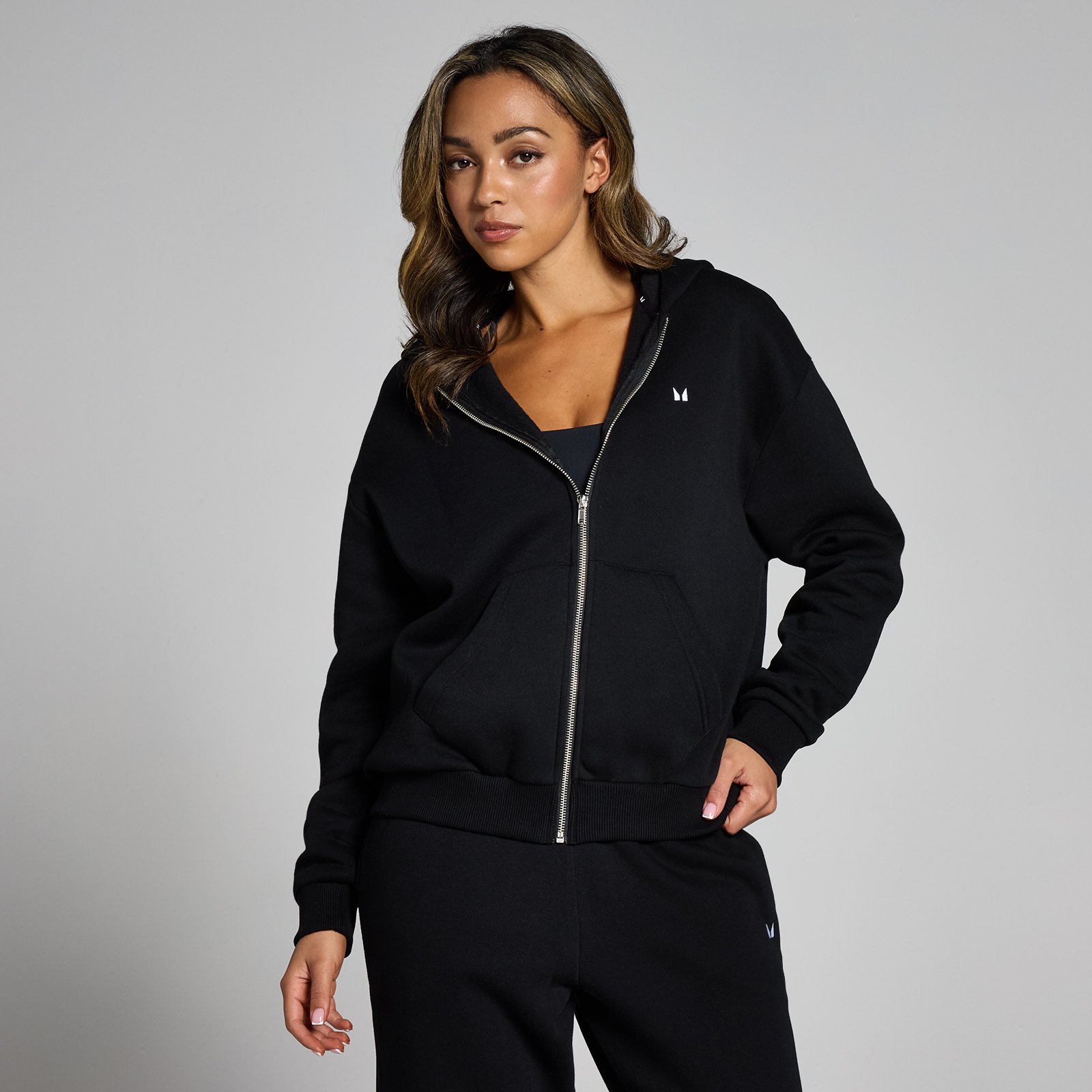
They look similar from the shopper’s point of view, but behind the scenes they are built on totally different systems.
Why People Compare Primark and T.J. Maxx
This section explains why the confusion is so common.
The Shared Experience
Both stores create:
- a “treasure hunt” feeling
- crowded racks and fast browsing
- frequent discovery of cheap items
- impulse-driven shopping
From the outside, both feel like:
“You never know what you’ll find, but it’ll probably be cheap.”
That emotional experience is similar—but the supply chain is not.
How Primark Actually Works
This section explains Primark’s model.
Primark:
- designs its own products
- manufactures in massive volume
- controls fabrics, trims, and patterns
- sells only its own brand
You can see how the brand positions itself on Primark.
From my experience, Primark behaves more like a factory-scale private label brand than a reseller.
Everything is made for Primark, not sourced after the fact.
How T.J. Maxx Actually Works
This section explains the off-price model.
T.J. Maxx:
- buys excess stock from other brands
- purchases canceled orders
- negotiates closeouts
- resells branded goods at lower prices
You can explore their model via T.J. Maxx.
They don’t control how products are designed or produced.
They profit by buying what already exists.
Primark vs T.J. Maxx: Key Differences
| Factor | Primark | T.J. Maxx |
|---|---|---|
| Product source | Made for Primark | Bought from other brands |
| Brand identity | Single in-house brand | Multi-brand retailer |
| Pricing logic | Low-cost production | Discounted resale |
| Inventory flow | Planned collections | Opportunistic buys |
| Control over design | Full | None |
Primark is a creator.
T.J. Maxx is a redistributor.
Which One Is Right for You?
This section helps readers choose.
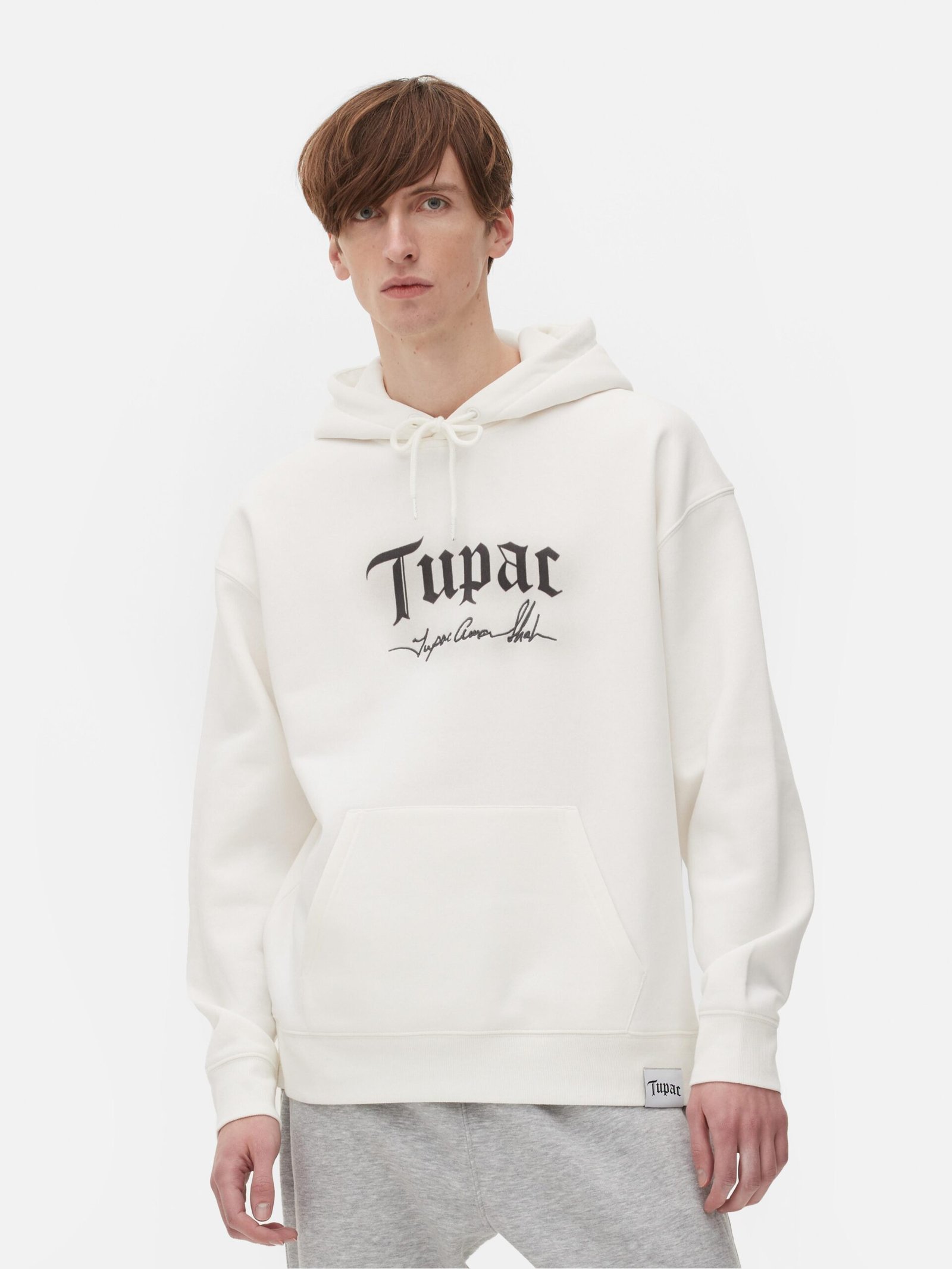
Primark Makes Sense If You:
- want consistent basics
- like predictable low prices
- prefer new, season-driven items
- don’t care about brand names
T.J. Maxx Makes Sense If You:
- enjoy brand hunting
- want designer labels for less
- like surprise inventory
- value variety over consistency
From my experience, disappointment usually comes from expecting one model to behave like the other.
FAQ
Is Primark an off-price store?
No. Primark is a fast-fashion brand, not an off-price reseller.
Is T.J. Maxx fast fashion?
No. T.J. Maxx resells goods made by other brands.
Why do both feel similar?
Because both use high-volume layouts and discovery-based shopping.
Which is cheaper?
Primark usually wins on base price; T.J. Maxx wins on branded value.
Conclusion
So, is Primark like T.J. Maxx?
They feel similar in-store, but they are built on opposite business models.
Primark creates ultra-cheap clothing at scale.
T.J. Maxx resells other brands at a discount.
From my perspective, understanding this difference changes how you shop—and what you should expect from each store.
Internal Reference
For a deeper look into how apparel pricing, private-label production, and retail models really work, visit fukiapparel.