
If you’re asking “Why did Chinatown Market change its name?”, you’re not just curious about branding — you’re really asking what happened, why it mattered, and what the brand is today.
From my experience analyzing streetwear brands and rebrands, this name change is one of the clearest examples of how culture, public perception, and brand responsibility intersect.
Below is a clear, factual explanation.
Table of Contents
- Quick Answer
- What Was Chinatown Market?
- Why the Name Became a Problem
- The Decision to Change the Name
- What Chinatown Market Changed Its Name To
- How the Rebrand Affected the Brand
- What This Means for Buyers and Brands
- FAQ
- Conclusion
- Internal Reference
Quick Answer
Chinatown Market changed its name due to cultural sensitivity concerns and criticism that the original name could be seen as appropriating Asian identity.
The brand rebranded as Market to move forward with a more inclusive and globally acceptable identity.
What Was Chinatown Market?
Brand Background
Chinatown Market was a Los Angeles–based streetwear brand known for:
- playful, graphic-heavy designs
- smiley-face motifs
- ironic and pop-culture-driven visuals
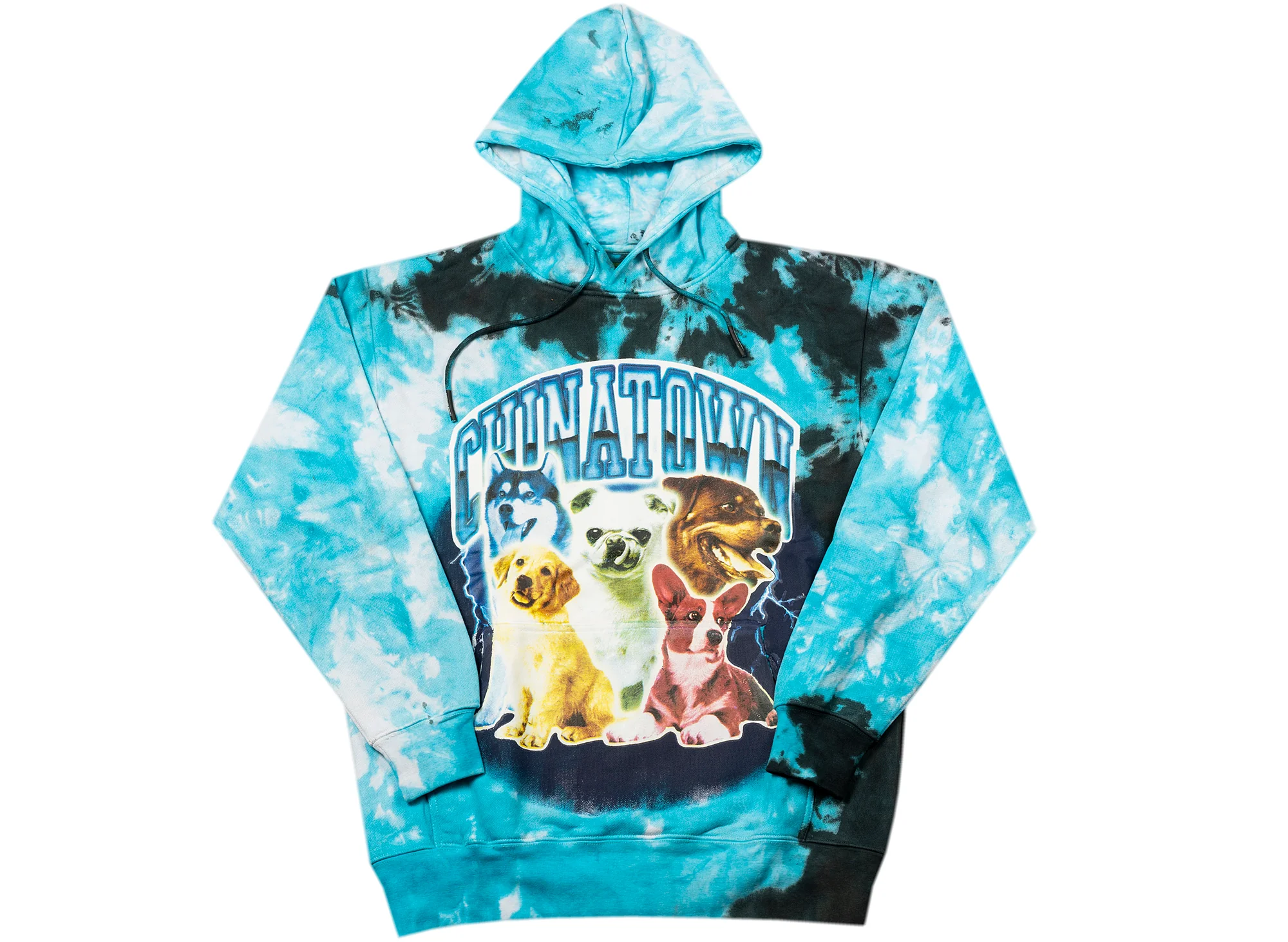
The brand gained popularity quickly in the late 2010s and became widely recognized in streetwear culture.
You can see the brand’s current evolution through its official platform, Market.
Why the Name Became a Problem
Cultural Context and Criticism
The name “Chinatown Market” drew increasing criticism because:
- the founders were not from the Asian communities referenced
- the name used a cultural identity as branding
- public awareness of cultural appropriation was growing
From my perspective, this wasn’t about intent — it was about impact and perception.
Timing Matters
The criticism intensified during a period when:
- brands were being held more accountable
- cultural representation was under scrutiny
- social media amplified public feedback
Ignoring the issue would have carried long-term risk.
The Decision to Change the Name
Why Rebranding Was Necessary
Chinatown Market chose to rebrand in order to:
- acknowledge cultural concerns
- avoid ongoing controversy
- build a more inclusive brand future
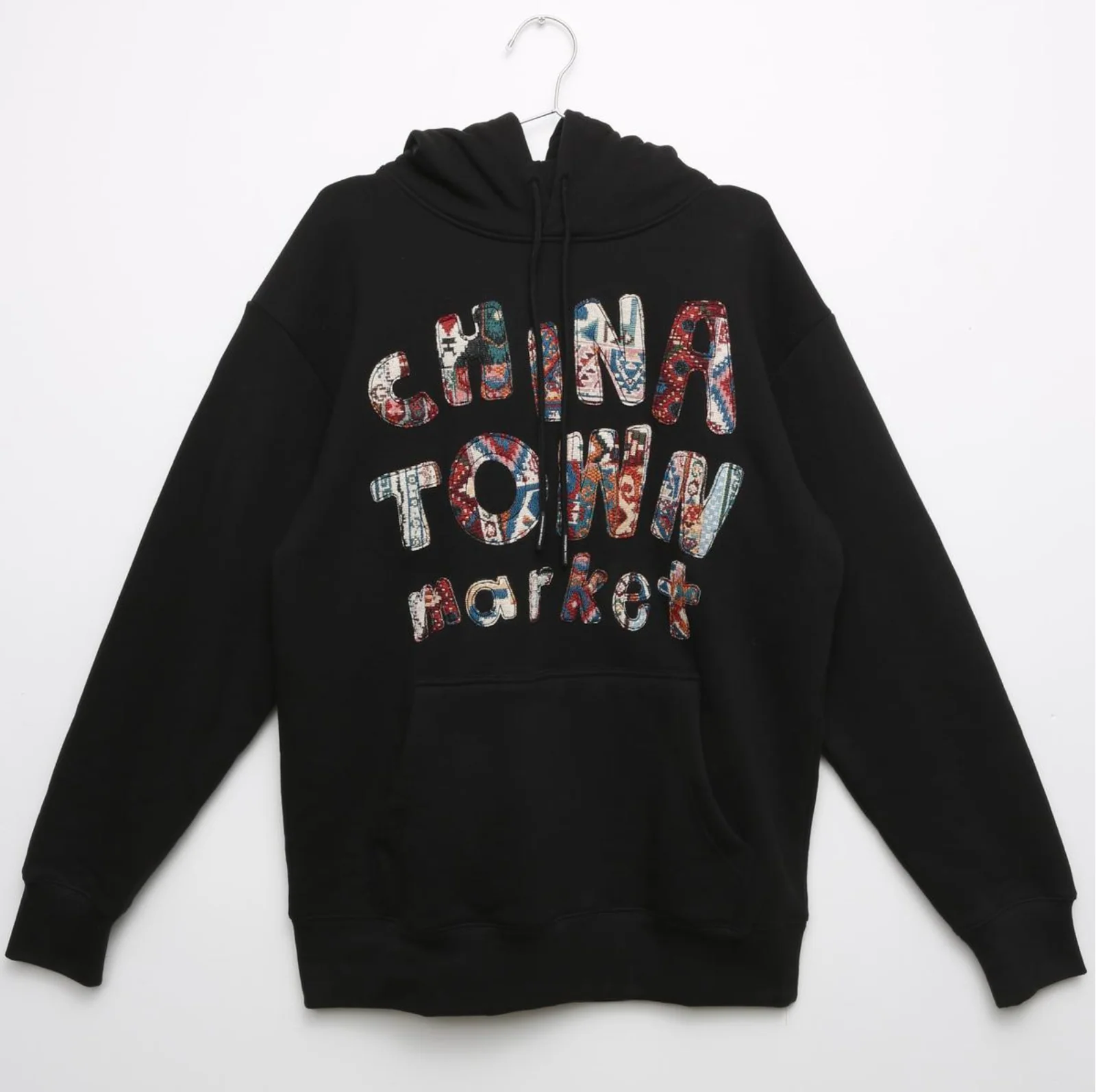
Rather than defending the original name, the brand opted to listen and adapt.
From a brand strategy standpoint, this was a defensive but necessary move.
What Chinatown Market Changed Its Name To
The New Identity: Market
The brand officially rebranded to Market, removing “Chinatown” entirely.
| Before | After |
|---|---|
| Chinatown Market | Market |
| Cultural reference | Neutral identity |
| Controversial name | Inclusive positioning |
You can see the current brand direction on Market.
This allowed the brand to keep its creative voice while reducing cultural friction.
How the Rebrand Affected the Brand
Short-Term Impact
- mixed reactions from longtime fans
- confusion during the transition
- increased media attention
Long-Term Outcome
- reduced controversy
- clearer global positioning
- more flexibility for collaborations
From my experience, rebrands like this are less about growth and more about survival and credibility.
What This Means for Buyers and Brands
For Consumers
Understanding the name change helps buyers:
- recognize Market as the same brand
- understand the values behind the shift
- avoid confusion when shopping older pieces
For Other Brands
This case shows that:
- names carry cultural weight
- ignoring feedback can damage trust
- rebranding, while risky, can be necessary
It’s a real-world lesson in modern brand accountability.
FAQ
Why did Chinatown Market change its name?
Due to cultural sensitivity concerns and public criticism.
What is Chinatown Market called now?
The brand is now called Market.
Is Market the same brand as Chinatown Market?
Yes, it is the same company under a new name.
Did the rebrand affect product quality?
No, the change was about branding, not construction or materials.
Conclusion
So, why did Chinatown Market change its name?
Because the original name raised cultural sensitivity concerns, and the brand chose to rebrand rather than ignore the issue.
From my perspective, this was less about marketing and more about long-term brand responsibility.
It’s a reminder that in modern fashion, names matter as much as designs.
Internal Reference
For insights into brand positioning, rebranding decisions, and private-label manufacturing strategy, visit fukiapparel.