
Short answer: Vlone became popular because it combined rapper-driven visibility, a clear philosophy of individuality, and a simple but powerful visual identity at the exact moment streetwear culture shifted toward attitude over craftsmanship.
In this article, I’ll explain why Vlone blew up, what actually made it resonate, and who it still makes sense for today—in plain English, from a long-term streetwear observer’s perspective.
Table of Contents
- Quick Answer
- The Core Idea Behind Vlone’s Popularity
- How Rap Culture Fueled Vlone’s Rise
- Why the “Alone” Philosophy Hit So Hard
- The Power of Simple, Aggressive Design
- Vlone vs Other Streetwear Brands at Its Peak
- Is Vlone Still Popular Today?
- Who Vlone Makes Sense For Now
- FAQ
- Conclusion
- Internal Reference
Quick Answer
Vlone is popular because it turned a simple message—standing alone—into a powerful cultural symbol, amplified by rap culture and visual repetition.
It wasn’t about premium fabrics or complex design.
It was about mindset, visibility, and timing.
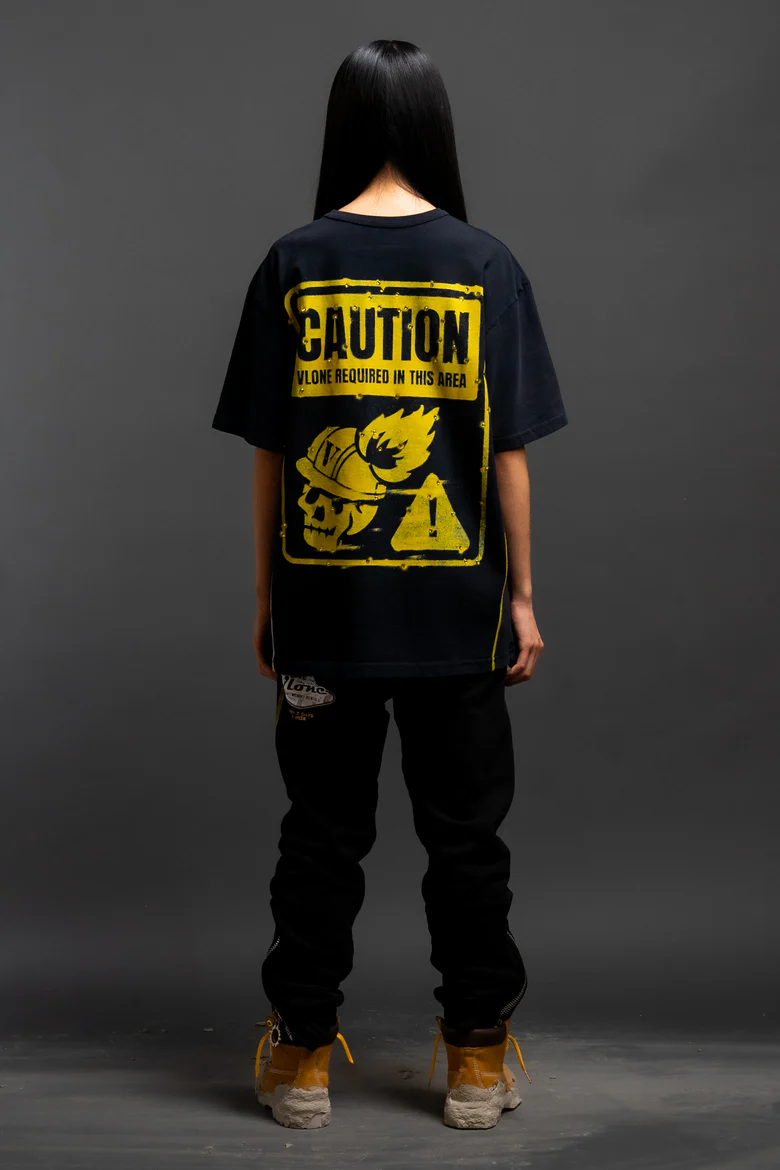
Official brand reference: 👉 https://vlone.ltd
The Core Idea Behind Vlone’s Popularity
From my experience watching streetwear trends evolve, Vlone’s biggest strength was clarity.
Vlone stood for one idea:
You can be surrounded by people and still stand alone.
That idea was:
- Easy to understand
- Emotionally relatable
- Perfect for youth culture
People didn’t need a fashion background to “get” Vlone.
How Rap Culture Fueled Vlone’s Rise
Vlone’s popularity can’t be separated from rap culture.
Here’s what happened:
- Rappers wore Vlone constantly
- The brand appeared in music videos and tours
- Fans saw it as part of a lifestyle, not a product
From a visibility standpoint, Vlone benefited from organic exposure, not traditional marketing.
That gave it credibility fast.
Why the “Alone” Philosophy Hit So Hard
The phrase “Live Vlone, Die Vlone” resonated because it matched real feelings.
Many people connected with:
- Feeling misunderstood
- Wanting independence
- Rejecting conformity
Vlone didn’t promise success or luxury.
It promised self-belief, even when isolated.
That emotional alignment is rare—and powerful.
The Power of Simple, Aggressive Design
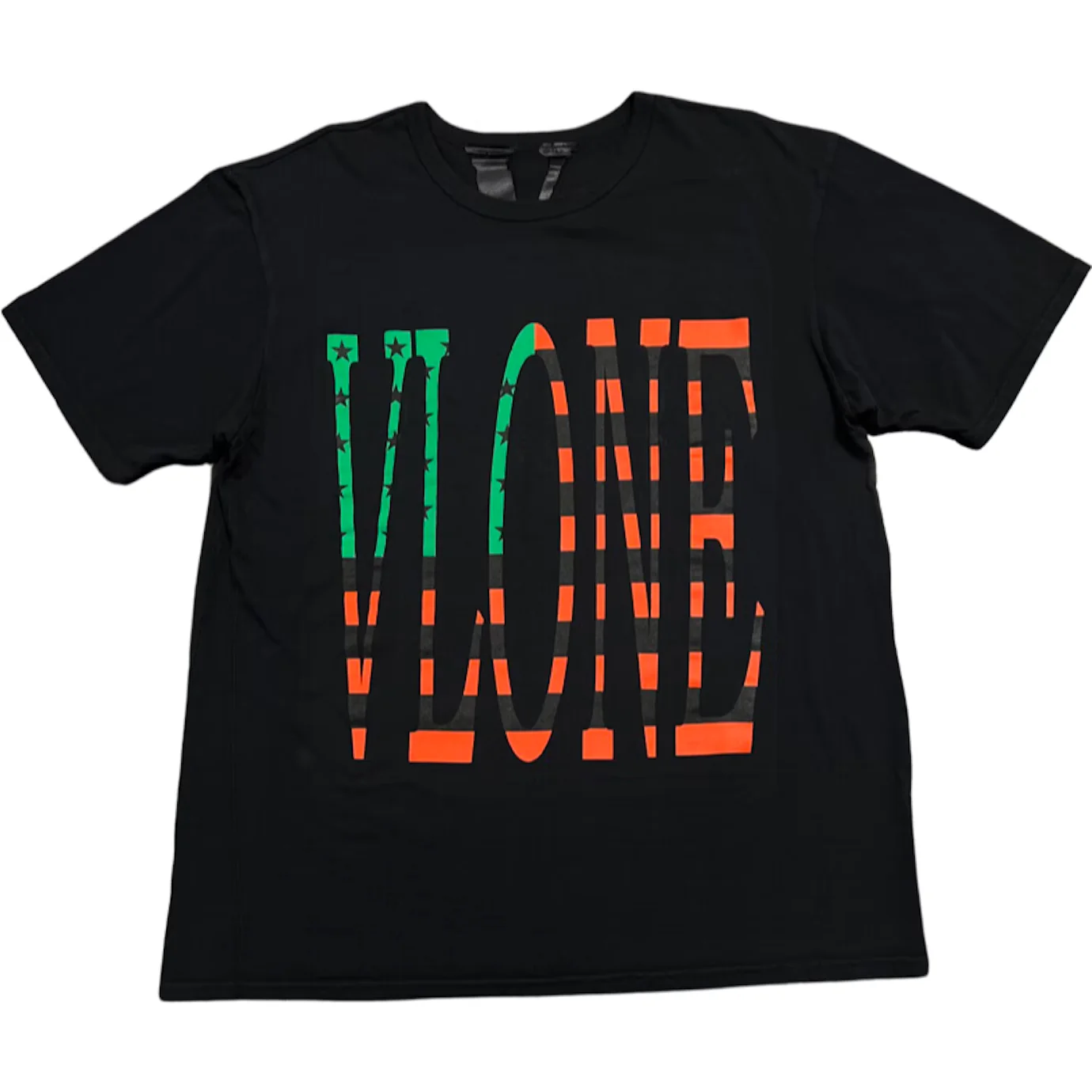
Vlone’s design approach was extremely direct:
- Large “V” logos
- High-contrast colors
- Minimal complexity
From a branding perspective, this worked because:
- Logos were instantly recognizable
- Photos were easy to share
- Identity was impossible to miss
Complex design wasn’t necessary—the message carried the weight.
Vlone vs Other Streetwear Brands at Its Peak
Here’s a simple comparison to explain why Vlone stood out:
| Brand | Core Focus | Why People Bought It |
|---|---|---|
| Vlone | Mindset & attitude | Identity and independence |
| Supreme | Youth rebellion | Cultural credibility |
| Off-White | Conceptual design | Fashion commentary |
| BAPE | Loud visuals | Status signaling |
Vlone wasn’t about status or design theory.
It was about belonging by standing apart.
Is Vlone Still Popular Today?
The honest answer: Vlone is less dominant than before, but still recognizable.
From what I’ve observed:
- Its peak cultural moment has passed
- The logo remains iconic
- Nostalgia keeps interest alive
Vlone’s influence is now more symbolic than trend-setting.
Who Vlone Makes Sense For Now
Vlone still makes sense if:
- You connect with its original philosophy
- You value attitude over construction
- You appreciate early 2010s streetwear culture
Vlone may not fit if:
- You prioritize craftsmanship
- You follow modern fashion trends
- You prefer subtle branding
Understanding this helps avoid disappointment.
FAQ
Why did Vlone become popular so quickly?
Because it had a clear message, rapper visibility, and simple visuals.
Was Vlone popular because of design quality?
No. Popularity came from culture and identity, not craftsmanship.
Is Vlone still relevant today?
It’s less dominant but remains culturally recognizable.
What made Vlone different from other brands?
Its focus on mindset rather than fashion technique.
Conclusion
So, why is Vlone so popular?
Vlone became popular because it:
- Captured a real emotional mindset
- Used rap culture as a megaphone
- Made identity louder than design
It wasn’t built like a traditional fashion brand.
It was built like a cultural statement.
That’s why it rose fast—and why people still talk about it.
Internal Reference
For readers interested in how streetwear brands like Vlone are actually produced, developed, and scaled from a manufacturing and OEM perspective 👉 FuKi Apparel