
If you’ve been paying attention to streetwear, you’ve probably asked yourself:
“Why is Corteiz so popular?”
From my experience working with emerging streetwear brands and following how hype culture actually forms, Corteiz didn’t become popular by accident. It built fame by rejecting normal fashion rules and turning access itself into a status symbol.
This article explains exactly why Corteiz stands out—and why people care so much.
Table of Contents
- Quick Answer
- Corteiz’s Anti-Brand Identity
- Scarcity as a Marketing Weapon
- Community Over Customers
- Guerrilla Drops & Real-World Hype
- Corteiz vs Traditional Streetwear Brands
- Who Corteiz Is Really For
- FAQ
- Conclusion
- Internal Reference
Quick Answer
Corteiz is popular because it feels earned, not sold.
It uses scarcity, community, and anti-establishment energy to turn clothing into a symbol of belonging—rather than just a product.
Corteiz’s Anti-Brand Identity
This section explains why Corteiz feels different.
Built Against the System
Corteiz doesn’t behave like a brand that wants everyone:
- no constant advertising
- no open online store
- no traditional retail partners
- no mass availability
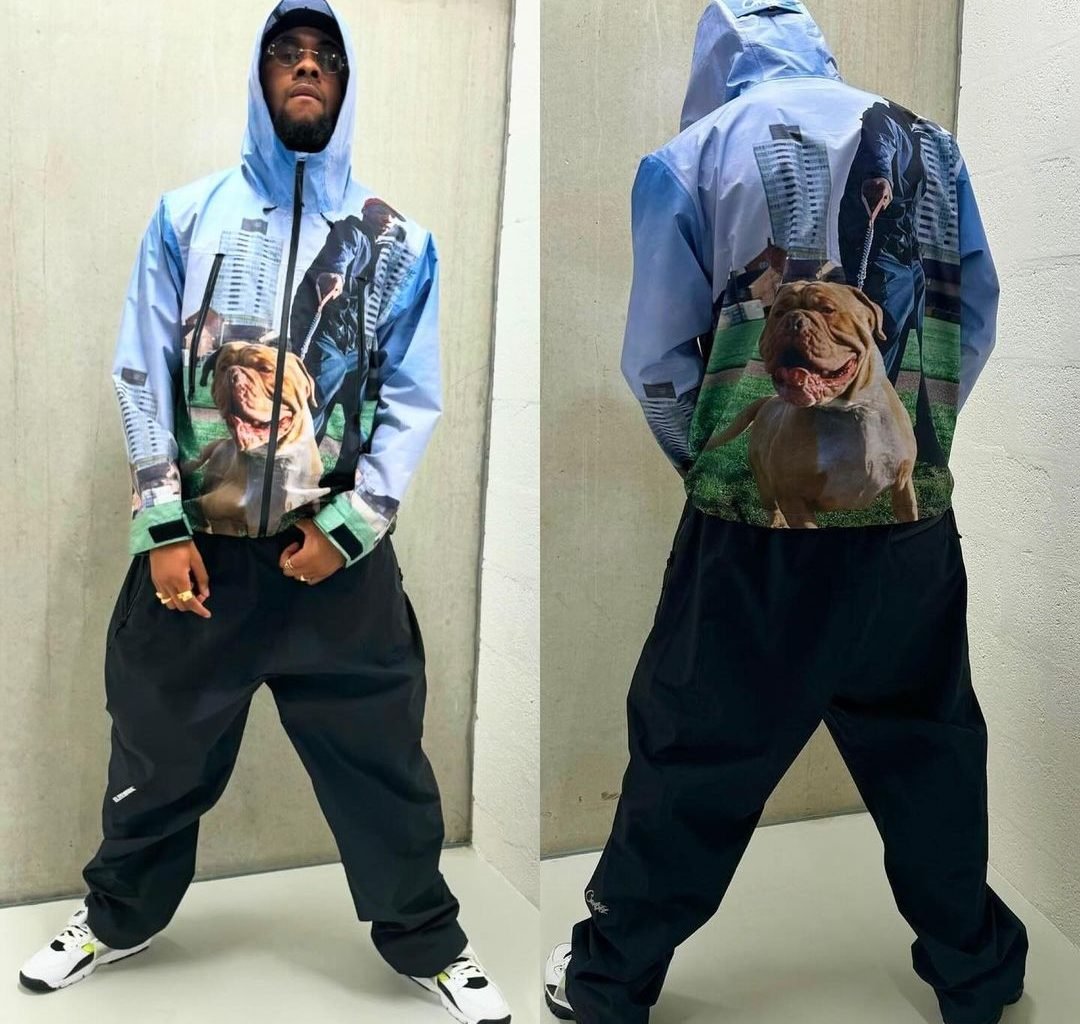
From my perspective, this creates a powerful message:
“This isn’t for everyone—and that’s the point.”
That attitude resonates deeply with street culture, where exclusion often equals value.
You can see this positioning through its official site, Corteiz, which is often locked between drops.
Scarcity as a Marketing Weapon
This section shows how Corteiz turns limitation into desire.
Why Hard-to-Get Becomes Must-Have
Corteiz releases products through:
- surprise drops
- password-protected access
- short buying windows
When something is:
- rare
- time-limited
- unpredictable
…it becomes a story, not just an item.
From my experience, people don’t just buy Corteiz—they chase it.
Community Over Customers
This section explains the emotional core.
A Brand That Feels Like a Club
Corteiz speaks to:
- insiders
- early adopters
- streetwear purists
- people tired of mass hype

Instead of saying “Buy this”, it says:
“If you know, you know.”
That creates loyalty stronger than discounts ever could.
Guerrilla Drops & Real-World Hype
This section explains Corteiz’s offline magic.
Culture Before Commerce
Corteiz has built fame through:
- pop-up events
- scavenger-style drops
- real-world stunts
- word-of-mouth momentum
These moments feel authentic, not staged.
From my perspective, this turns marketing into culture—and culture into news.
Corteiz vs Traditional Streetwear Brands
| Factor | Corteiz | Traditional Streetwear |
|---|---|---|
| Availability | Rare | Ongoing |
| Access | Gated | Open |
| Marketing | Guerrilla | Planned |
| Community | Insider-driven | Audience-driven |
| Identity | Anti-system | Trend-aligned |
Corteiz isn’t trying to be everywhere.
It’s trying to be meaningful somewhere.
Who Corteiz Is Really For
This section helps readers self-identify.
Corteiz Fits You If You:
- value culture over convenience
- enjoy exclusivity
- follow streetwear closely
- like being “early”
Corteiz May Not Fit You If You:
- want easy access
- prefer consistent stock
- dislike waiting or missing out
- buy purely for utility
From my experience, Corteiz isn’t about clothes—it’s about identity signaling.
FAQ
Is Corteiz popular because of celebrities?
Celebrities amplify it, but scarcity and culture built it.
Is Corteiz just hype?
It’s hype with structure—designed scarcity and community.
Will Corteiz stay popular?
That depends on whether it protects its identity while scaling.
Is Corteiz expensive?
Retail prices are moderate; resale prices reflect demand.
Conclusion
So, why is Corteiz popular?
Because it makes clothing feel like access, not inventory.
From my perspective, Corteiz succeeds because it doesn’t chase attention.
It creates a space people want to enter.
In streetwear, that feeling is everything.
Internal Reference
For insight into how modern streetwear brands build scarcity, culture, and long-term identity, visit fukiapparel.