
If you’ve ever worn a Vetements hoodie or followed the brand online, you might have asked: Who actually owns Vetements?
From my experience working with fashion brands and manufacturers, ownership is not just a business detail—it shapes how bold a brand can be, how fast it moves, and whether it stays rebellious or becomes commercial.
So, who owns Vetements today, and why does that matter?
Table of Contents
- Quick Answer
- Who Founded Vetements?
- Who Owns Vetements Today?
- Why Vetements Stayed Independent
- How Ownership Shapes the Brand
- Vetements vs Conglomerate-Owned Brands
- What This Means for Buyers
- FAQ
- Conclusion
- Internal Reference
Quick Answer
Vetements is privately owned by its founders, primarily Guram Gvasalia.
The brand is not owned by LVMH, Kering, or any other luxury conglomerate. It remains independent and founder-controlled.
Official brand site: Vetements
Who Founded Vetements?
Vetements was founded in 2014 by two brothers:
- Demna Gvasalia – the original creative force who defined the brand’s early disruptive style
- Guram Gvasalia – the business and brand architect behind Vetements
Demna later became Creative Director at Balenciaga, while Guram stayed to build Vetements as a standalone label.
From the start, Vetements was designed as a collective, not a traditional fashion house. Its goal was to question luxury—not fit into it.
Who Owns Vetements Today?
Today, Vetements is:
- Privately held
- Controlled by Guram Gvasalia
- Free from corporate parent companies
- Operated as a founder-led brand
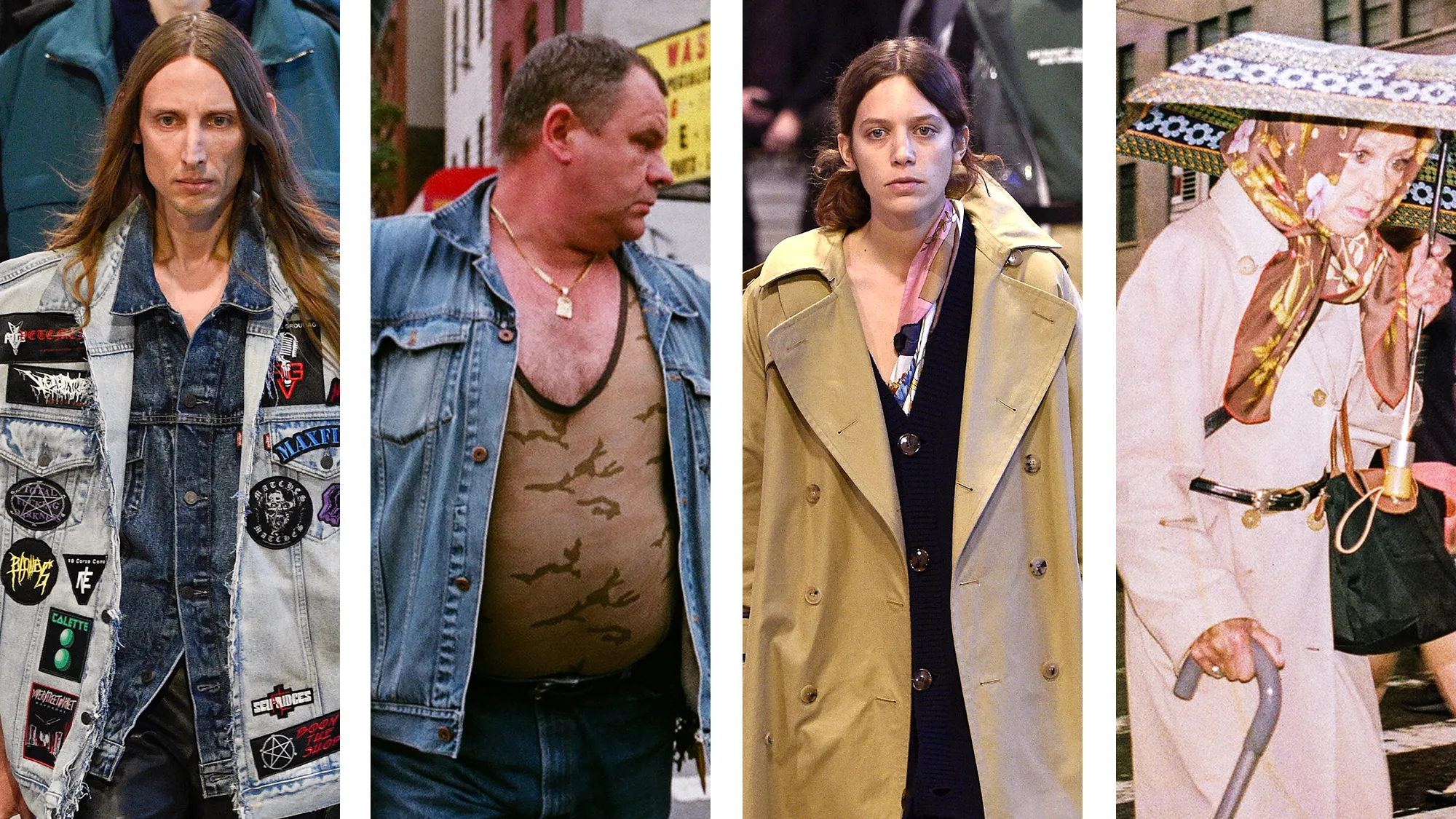
This structure is rare in modern luxury, where many designer labels are absorbed by large groups to scale faster.
Vetements chose the opposite path: control over convenience.
Why Vetements Stayed Independent
Independence allows Vetements to:
- take creative risks
- release controversial designs
- operate in small production runs
- avoid trend pressure
- protect its identity
From what I’ve seen in the industry, most brands trade freedom for growth. Vetements prioritized voice over volume.
That’s why the brand can still feel unpredictable.
How Ownership Shapes the Brand
Because Vetements is founder-owned, it can:
- exaggerate silhouettes
- challenge luxury norms
- drop pieces that polarize
- resist mass-market dilution
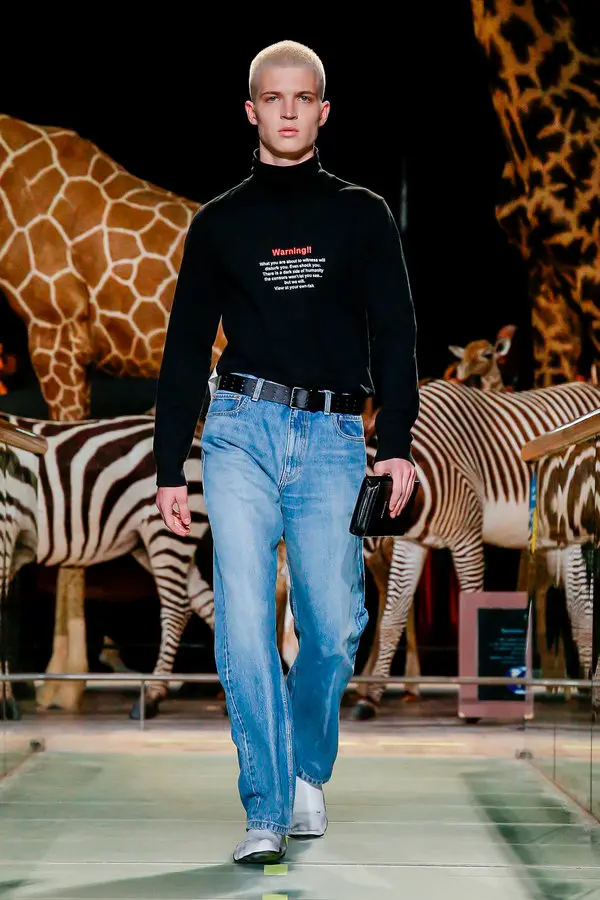
This keeps Vetements in the artist-led category rather than the corporate-led category.
In practice, it means fewer products—but stronger identity.
Vetements vs Conglomerate-Owned Brands
| Aspect | Vetements (Independent) | Corporate Luxury Brands |
|---|---|---|
| Ownership | Founder-led | Group-owned |
| Creative freedom | High | Managed |
| Production scale | Limited | Large |
| Risk tolerance | Bold | Conservative |
| Cultural role | Disruptor | Stabilizer |
Vetements operates like a studio.
Most luxury brands operate like global enterprises.
What This Means for Buyers
When you buy Vetements, you’re buying from:
- a founder-controlled brand
- a culture-first label
- a non-corporate fashion house
That means:
- fewer releases
- bolder designs
- less predictability
- stronger point of view
From my perspective, this is why Vetements still feels raw in a market full of safe design.
FAQ
Is Vetements owned by LVMH?
No. Vetements is fully independent.
Did Demna leave Vetements?
Yes. Demna moved on to Balenciaga. Guram now leads Vetements.
Is Vetements still a collective?
Creatively, yes. Structurally, it is a private company.
Will Vetements be acquired?
There is no public indication. The brand values independence.
Conclusion
Vetements is owned by its founders, led by Guram Gvasalia.
That independence is not a footnote—it’s the reason the brand still feels rebellious.
From my experience, ownership defines destiny in fashion:
Corporate brands stabilize.
Founder brands disrupt.
Vetements chose to remain a disruptor.
Internal Reference
If you’re building a founder-led streetwear or luxury label and want to understand how ownership affects creativity and production strategy, explore fukiapparel for manufacturing and brand insight.