Table of Contents
- Introduction
- Who Owns Rhude?
- Who Is Rhuigi Villaseñor?
- Why Rhude’s Ownership Story Matters
- How Rhude Grew Into a Luxury-Streetwear Hybrid
- Who Is Rhude Best For?
- Rhude vs Other Luxury-Streetwear Brands
- What New Brands Can Learn From Rhude (My First-Hand View)
- How to Apply Rhude-Style Strategies to Your Clothing Line
- FAQ
- Conclusion
Introduction
As a streetwear manufacturer working with global brands, I often receive questions like:
“Who actually owns Rhude?”
“How did a small LA brand become part of the luxury conversation?”
The good news is — the ownership story is actually simple once you break it down.
This article explains it clearly, based on my experience working with streetwear labels and fashion startups.
Who Owns Rhude?
Rhude is owned and founded by Rhuigi Villaseñor.
He launched the brand in 2015 in Los Angeles, and he has remained the creative director and majority owner ever since.
Rhude is not owned by LVMH, Kering, or any major luxury conglomerate.
Despite collaborating with luxury partners and selling through global retailers, the brand is still an independent designer-led label.
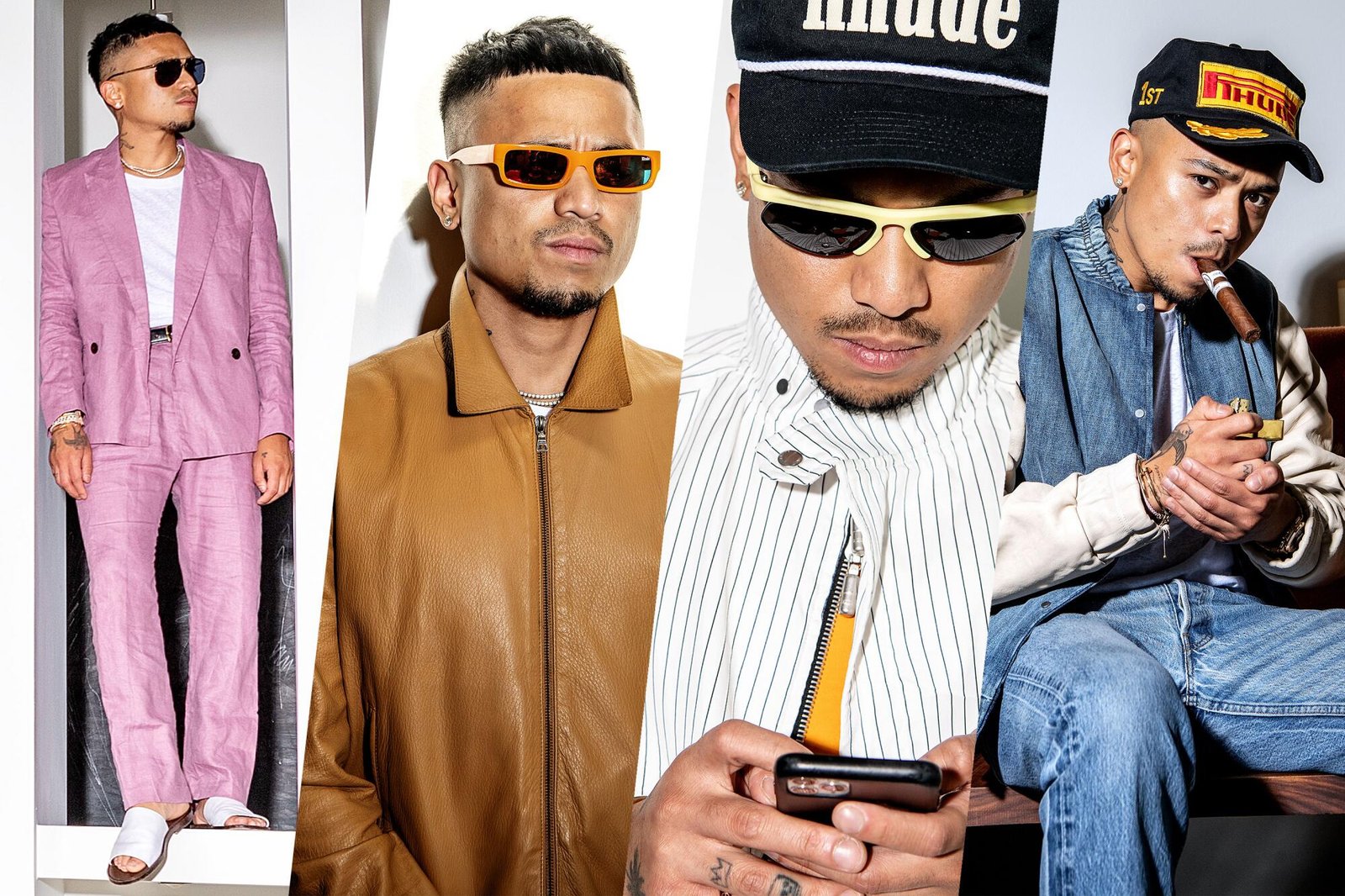
Who Is Rhuigi Villaseñor? {#who-is-rhuigi-villaseñor}
Rhuigi Villaseñor is a Filipino-American designer whose personal story deeply influences Rhude’s design identity.
Key Facts About Rhuigi
- Born in Manila, Philippines
- Raised in Los Angeles
- Comes from an immigrant family
- Self-taught in pattern-making and design
- Started Rhude with very limited resources
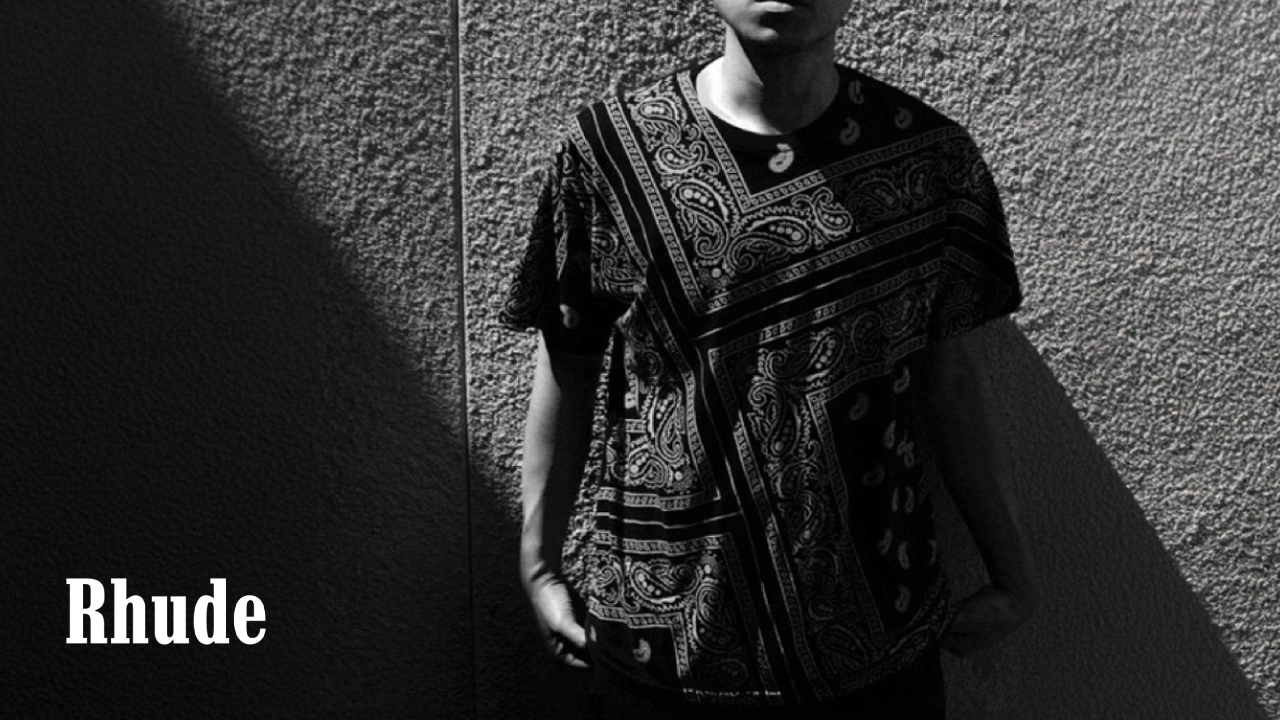
- Designed the famous Rhude bandana shorts
- Later collaborated with Puma, Zegna, McLaren, and more
His background shapes Rhude’s aesthetic:
Luxury tailoring + vintage Americana + modern streetwear
Why Rhude’s Ownership Story Matters
Rhude’s ownership reflects three important principles.
1. Independence
Being independently owned gives Rhude creative freedom.
2. Authenticity
Rhude’s designs come from Rhuigi’s real-life experiences, not corporate trend forecasting.
3. Cultural Influence
The story of a self-taught immigrant building a global luxury-streetwear brand inspires many young designers.
How Rhude Grew Into a Luxury-Streetwear Hybrid
Based on what I’ve seen working with fashion brands, Rhude’s growth came from several key moves.
- Blending streetwear silhouettes with luxury-grade fabrics
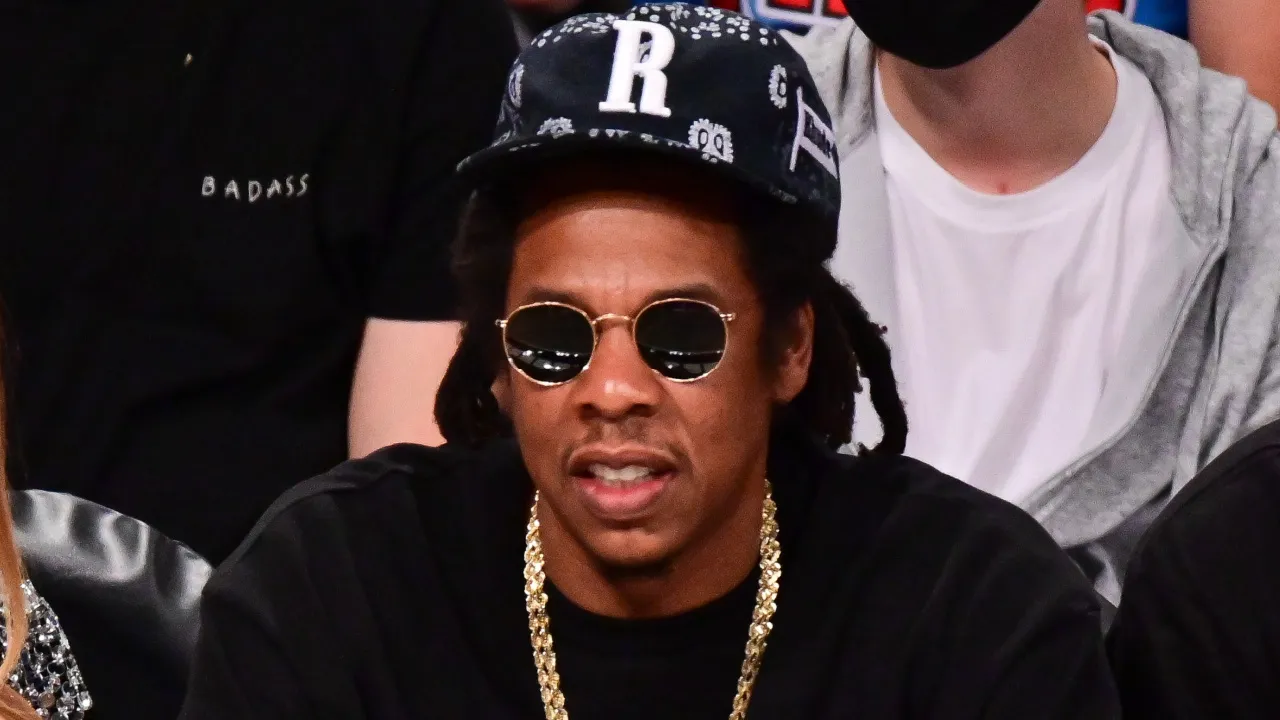
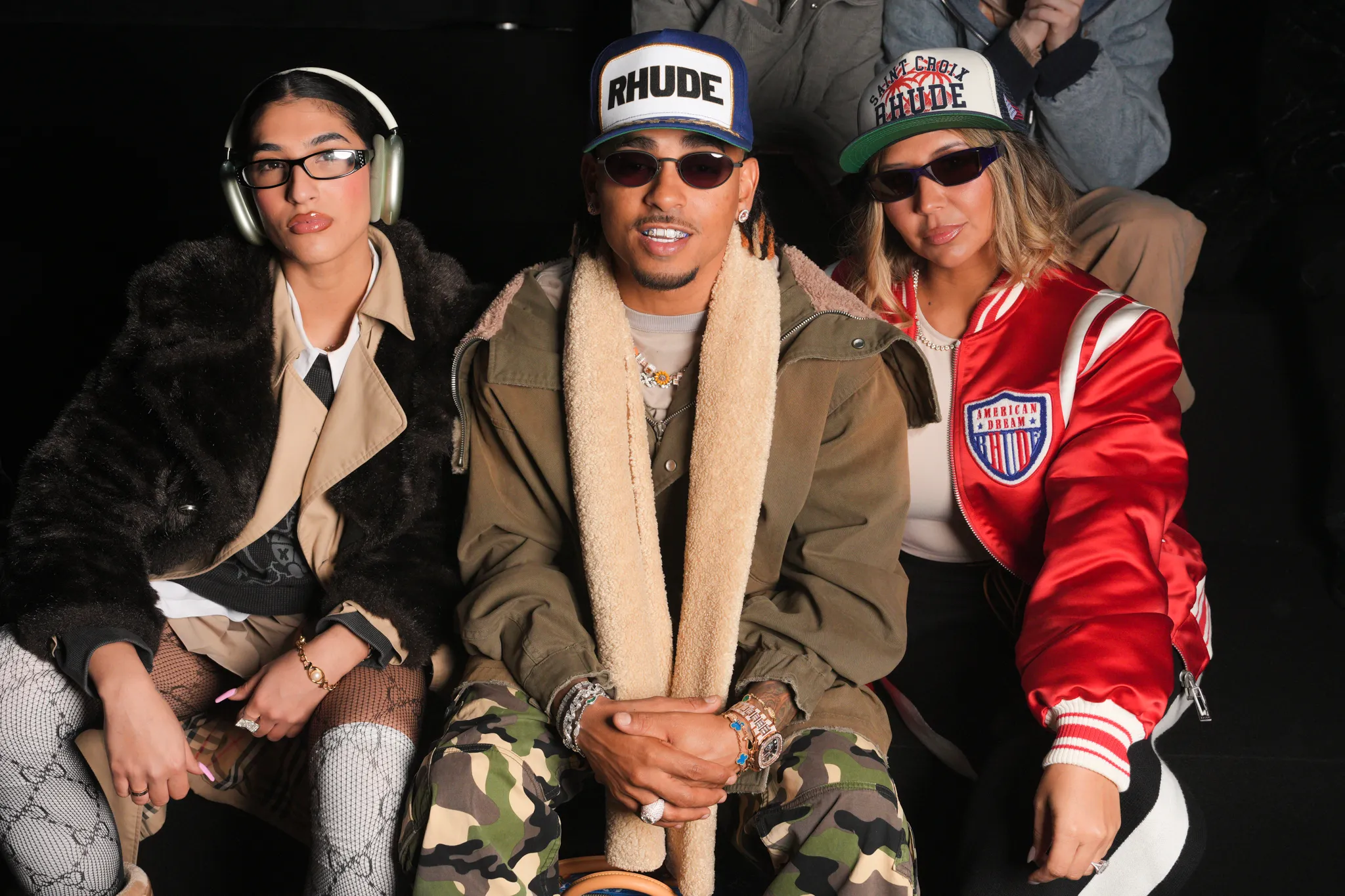
- Celebrity adoption from figures like LeBron James, Jay-Z, Kendrick Lamar, and A$AP Rocky
- Focusing on American nostalgia and motorsport aesthetics
- Strategic collaborations such as Puma × Rhude and Zegna × Rhude
- Building brand identity through storytelling rather than logo hype
Who Is Rhude Best For?
Rhude appeals to customers who:
- Enjoy luxury streetwear
- Appreciate vintage Americana mixed with modern tailoring
- Value premium fabrics and unique silhouettes
- Are willing to invest in designer-level craftsmanship
For new fashion brands targeting this lifestyle segment, Rhude is a strong case study.
Rhude vs Other Luxury-Streetwear Brands
| Brand | Ownership | Aesthetic | Price Level | Known For |
|---|---|---|---|---|
| Rhude | Independent (Rhuigi) | Americana + luxury streetwear | High | Bandana shorts, racing themes |
| Fear of God | Independently owned | Minimalist luxury streetwear | High | Timeless neutrals, oversized fits |
| Palm Angels | Owned by NGG/OVS | Italian luxury streetwear | High | Spray logos, bold graphics |
| Off-White | LVMH majority | Luxury streetwear + industrial | High | Arrows, stripes, runway crossovers |
This comparison helps new brands understand how identity and ownership shape positioning.
What New Brands Can Learn From Rhude (My First-Hand View)
From a manufacturing perspective, Rhude offers several lessons.
✔ Tell a personal story
Consumers connect strongly with authentic origins.
✔ Use premium materials
Rhude frequently uses washed fleece, textured fabrics, and premium denim.
✔ Build a hero product
Rhude’s bandana shorts became its signature piece.
✔ Blend multiple aesthetics
Luxury + streetwear + retro influences define the brand.
How to Apply Rhude-Style Strategies to Your Clothing Line
If you are building or scaling a clothing brand, here are practical steps.
1. Create a Hero Product
A hoodie, cargo pant, or graphic tee that becomes your signature item.
2. Use Strong Storytelling
Authentic brand stories create emotional connection.
3. Blend Aesthetics
Vintage + luxury + streetwear performs extremely well today.
4. Upgrade Fabric Quality
Use heavy cotton, premium fleece, washed denim, and textured knits.
5. Work With a Streetwear-Focused Manufacturer
FuKi Apparel provides low-MOQ OEM/ODM streetwear manufacturing for emerging brands.
6. Build a Consistent Color Language
Rhude often uses:
- warm neutrals
- washed blacks
- racing reds
- tobacco browns
Consistency strengthens brand identity.
FAQ
Is Rhude owned by a big fashion group?
No. Rhude remains independently owned by Rhuigi Villaseñor.
Why is Rhude expensive?
Because of premium fabrics, luxury positioning, and smaller production runs.
Does Rhude collaborate with luxury brands?
Yes. Rhude has collaborated with Puma, Zegna, McLaren, and other major partners.
Is Rhude luxury or streetwear?
It sits between both — commonly called luxury streetwear.
Can new brands learn from Rhude’s strategy?
Absolutely. Focus on storytelling, material quality, and a signature product.
Conclusion
Rhude remains independently owned by its founder Rhuigi Villaseñor, whose personal story helped shape one of the most recognizable luxury-streetwear brands today.
For emerging designers, Rhude offers a clear blueprint:
- authentic storytelling
- premium materials
- hybrid aesthetics
- intentional design
If you’re developing your own streetwear label and need low-MOQ manufacturing, oversized silhouettes, and premium fabrics, consider:
👉 FuKi Apparel – Custom Streetwear Manufacturer