
Table of Contents
- Introduction
- Who Owns Y-3? (Short Answer)
- How the Adidas x Yohji Yamamoto Partnership Works
- Why Y-3 Exists and What Makes It Unique
- What Adidas Does vs What Yohji Yamamoto Does
- Y-3 Compared to Adidas and Yohji Yamamoto Main Line
- Who Y-3 Is Best For
- My First-Hand Perspective Working With Apparel Brands
- How to Create Apparel Inspired by Y-3’s Style
- FAQ
- Conclusion
Introduction
As someone who works directly with fashion and streetwear brands, I often get asked questions about high-profile collaborations. One of the most common is:
“Who actually owns Y-3?”
It looks like Adidas, it feels like Yohji Yamamoto, and it wears like luxury sportswear. So who is the real owner?
Let me break it down clearly and simply.
Who Owns Y-3? (Short Answer)
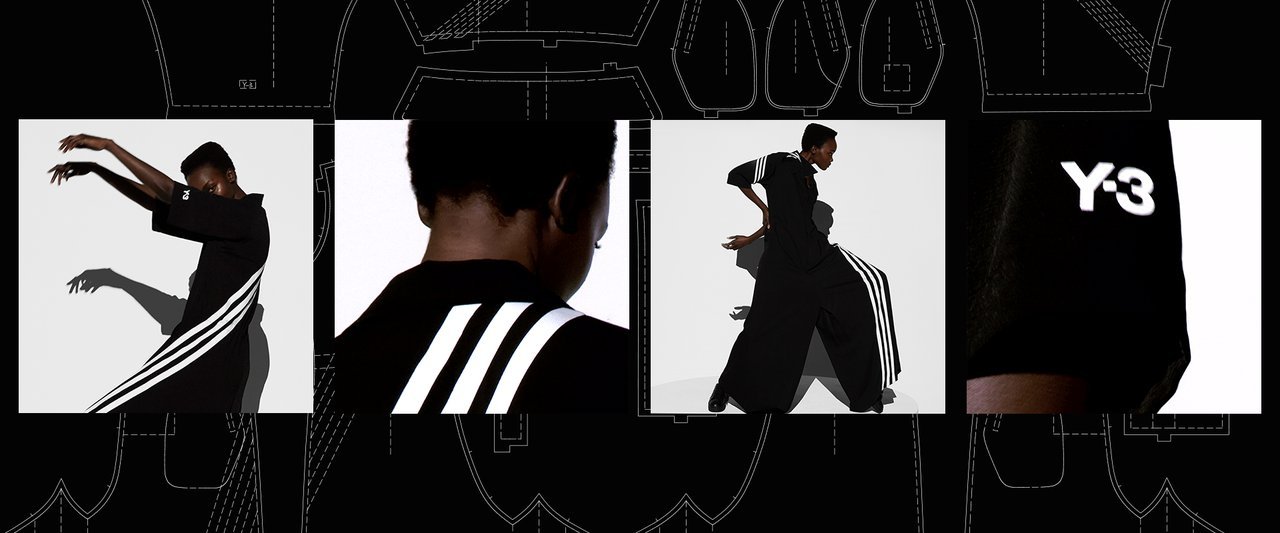
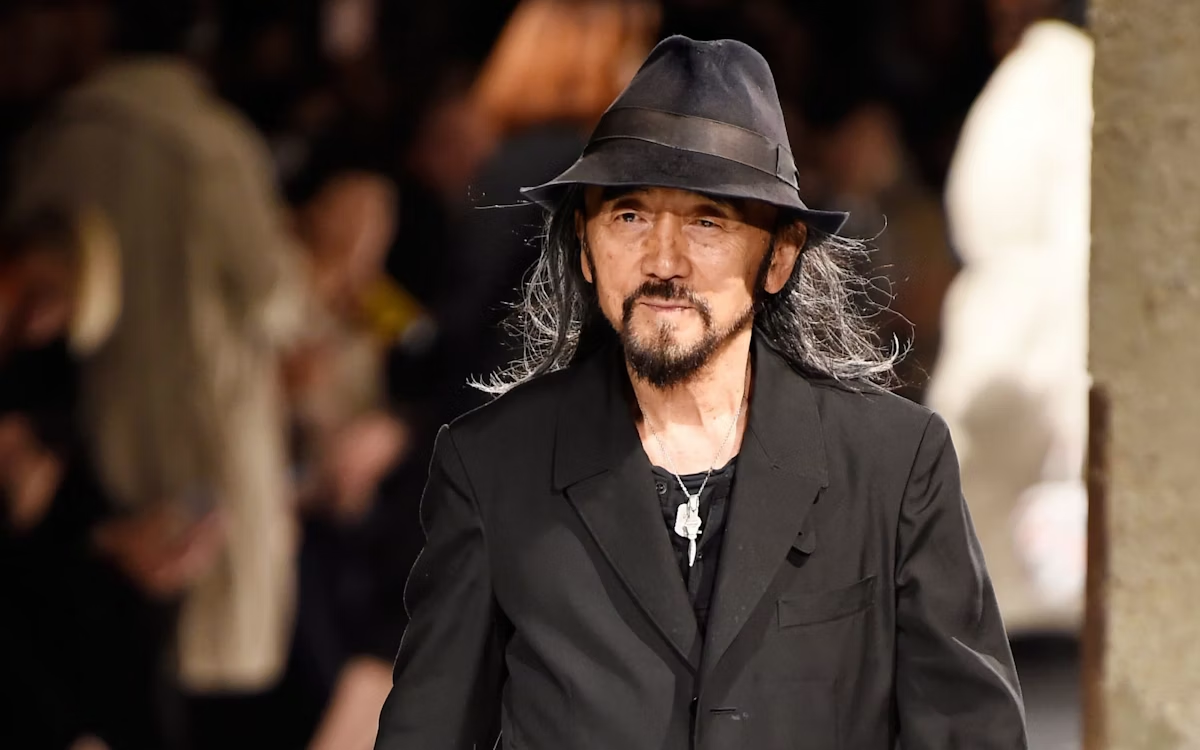
Y-3 is owned by Adidas. Yohji Yamamoto is the creative director and designer behind the collection.
A simple way to understand it:
- Adidas = the business owner
- Yohji Yamamoto = the creative mind
This partnership model is the foundation of the entire Y-3 identity.
How the Adidas x Yohji Yamamoto Partnership Works
The idea behind Y-3 began in the early 2000s when Adidas wanted a designer-led sportswear line that felt:
- higher-end
- more artistic
- fashion-forward
- culturally influential
Yohji Yamamoto was the perfect partner because his design language—black, minimal, sculptural, and avant-garde—balanced Adidas’ performance expertise.
Together, they created a new category: luxury sports fashion.
Why Y-3 Exists and What Makes It Unique
From my experience working with brands, Y-3 stands out because it blends:
1. High-fashion silhouettes
Clean, architectural lines inspired by Yohji’s runway collections.
2. Sport functionality
Adidas technology in footwear, fabrics, and comfort.
3. Minimalist identity
Typography, monochrome palettes, and oversized shapes.
4. Long-term consistency
The collaboration has lasted more than two decades.
Y-3 is not trend-based hype. It is design-driven, which is why it continues to stay relevant.
What Adidas Does vs What Yohji Yamamoto Does
Here is a simple breakdown of the partnership:
| Responsibility | Adidas | Yohji Yamamoto |
|---|---|---|
| Ownership | Yes | No |
| Business operations | Yes | No |
| Global distribution | Yes | No |
| Footwear technology | Yes | No |
| Creative direction | No | Yes |
| Silhouette development | Shared | Leads |
| Brand identity | Shared | Leads |
| Runway styling | No | Yes |
In short:
Adidas = the backbone
Yohji = the identity
Y-3 Compared to Adidas and Yohji Yamamoto Main Line
| Feature | Y-3 | Adidas | Yohji Yamamoto |
|---|---|---|---|
| Price | High | Moderate | Very high |
| Aesthetic | Minimal, futuristic | Sporty, casual | Avant-garde, artistic |
| Silhouettes | Oversized, sleek | Athletic | Dramatic draping |
| Audience | Fashion + streetwear | Athletes + lifestyle | High fashion consumers |
| Materials | Premium blends | Performance fabrics | Couture-level fabrics |
If you want fashion with comfort, Y-3 fits perfectly between Adidas and Yohji’s own label.
Who Y-3 Is Best For
Y-3 is ideal for:
- fans of minimalist black-and-white fashion
- people who love Japanese design language
- buyers who want luxury but need everyday practicality
- sneaker fans who want designer aesthetics
- creatives who prefer subtle but unique silhouettes
It is not ideal for:
- trend-driven buyers chasing hype
- people wanting low-budget athleisure
- fans of loud logos or bright colors
My First-Hand Perspective Working With Apparel Brands
Having worked with many streetwear and designer-inspired labels, I see why collaborations like Y-3 succeed:
- The designer provides creative credibility
- The manufacturer provides reliability and global reach
- The product sits at a unique intersection between fashion and function
This same formula is what many new brands try to replicate today.
If you're building denim, streetwear, or cut-and-sew products for your own label, here is our manufacturing link:
How to Create Apparel Inspired by Y-3’s Style
If you want to create clothing with a similar aesthetic, start with:
1. Minimal color palette
Black, white, grey, and muted neutrals.
2. Architectural silhouettes
Relaxed tops, tapered bottoms, and clean lines.
3. Premium fabrics
Nylon blends, structured cotton, and technical knits.
4. Simple branding
Typography-based logos with small placements.
5. High-quality construction
Clean seams, precise stitching, and consistent fit.
For brands wanting to build high-end denim or designer-level quality:
👉 Custom Apparel Manufacturing – Fuki Apparel
FAQ
Is Y-3 owned by Adidas?
Yes. Adidas is the official owner of the Y-3 brand.
What does the “Y” in Y-3 mean?
It stands for Yohji Yamamoto.
What does the “3” represent?
It refers to the three stripes, symbolizing Adidas.
Is Y-3 a luxury brand?
Yes. It is generally considered luxury sportswear.
Why is Y-3 expensive?
Because of premium fabrics, designer craftsmanship, and Adidas technology.
Does Y-3 still release new collections?
Yes. Y-3 continues to release seasonal apparel and footwear collections.
Conclusion
So, who is the owner of Y-3?
The answer is simple:
Adidas owns Y-3, and Yohji Yamamoto designs it.
This partnership created one of the most influential fashion-sportswear hybrids in the market, blending designer vision with performance engineering.
If you are building your own streetwear or denim label and want premium manufacturing support, here is our custom apparel page:
A strong brand starts with strong design—and strong production.