
Table of Contents
- Introduction
- What Fear of God Really Means
- Why the Name Matters for the Brand Identity
- Key Values Behind Fear of God
- Why Fear of God Became Influential in Streetwear
- Who Is Fear of God Best For?
- Brand Comparison Table
- What Brands Can Learn From Fear of God (My First-Hand Take)
- How to Apply Fear-of-God Principles to Your Own Clothing Line
- FAQ
- Conclusion
Introduction
As a streetwear manufacturer working with global brands, I often get asked:
“What does the Fear of God brand actually mean?”
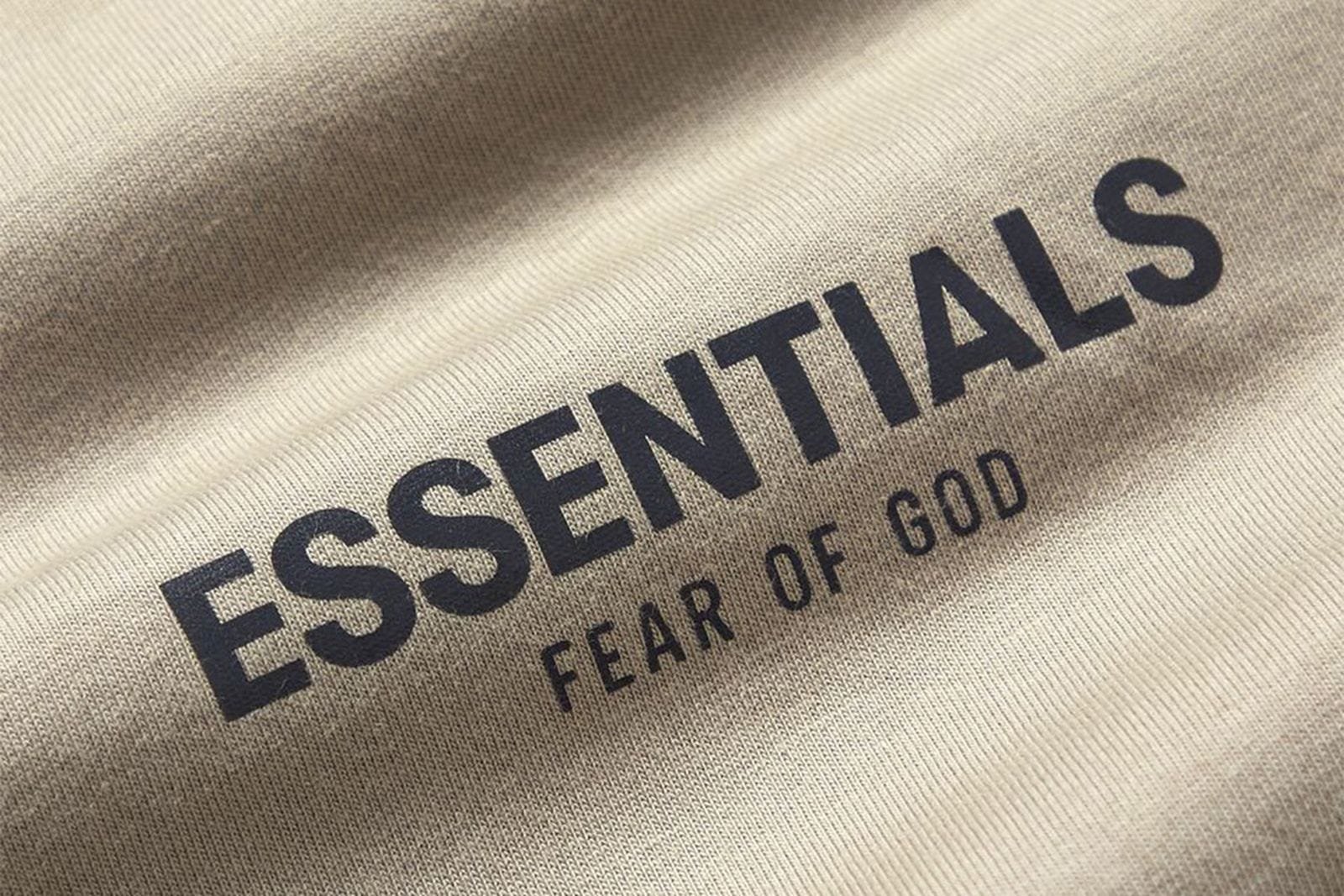
Fear of God (FOG) is more than oversized silhouettes and neutral tones — it’s a brand built on identity, heritage, and emotion. In this article, I’ll break down its meaning in a simple way, using real industry insight from my day-to-day work with streetwear labels.
What Fear of God Really Means
At its core, Fear of God represents designer Jerry Lorenzo’s spiritual upbringing, especially his Christian background.
But it’s not preaching — the phrase stands for:
- Respect for something greater than yourself
- Living with intention
- Producing quality without shortcuts
- Designing from authenticity instead of trends
In streetwear culture, the name communicates purpose and depth, which is rare in a market driven by hype cycles.

Why the Name Matters for the Brand Identity
Fear of God’s name shapes the brand in three important ways:
1. Emotional Branding
The name sparks curiosity and discussion — which strengthens brand memory.
2. A Lifestyle, Not Just Clothes
It conveys discipline, values, and self-expression.
This is why many wearers treat FOG as more than fashion.
3. Positioning
The name places FOG between luxury fashion and American streetwear, giving it a culturally rich image similar to brands like Yeezy or Supreme.
Key Values Behind Fear of God
| Core Value | Explanation |
|---|---|
| Authenticity | Designs rooted in Jerry Lorenzo’s personal history. |
| Spiritual Influence | A subtle reflection of faith without being religious apparel. |
| Timeless Aesthetics | Neutral palettes, oversized fits, long-lasting silhouettes. |
| Quality Craftsmanship | USA-made roots, premium fabrics, slow-fashion mindset. |
| Cultural Blending | Merges luxury tailoring with athletic and street elements. |
These values are the reason FOG has such strong loyalty in both fashion and streetwear communities.
Why Fear of God Became Influential in Streetwear
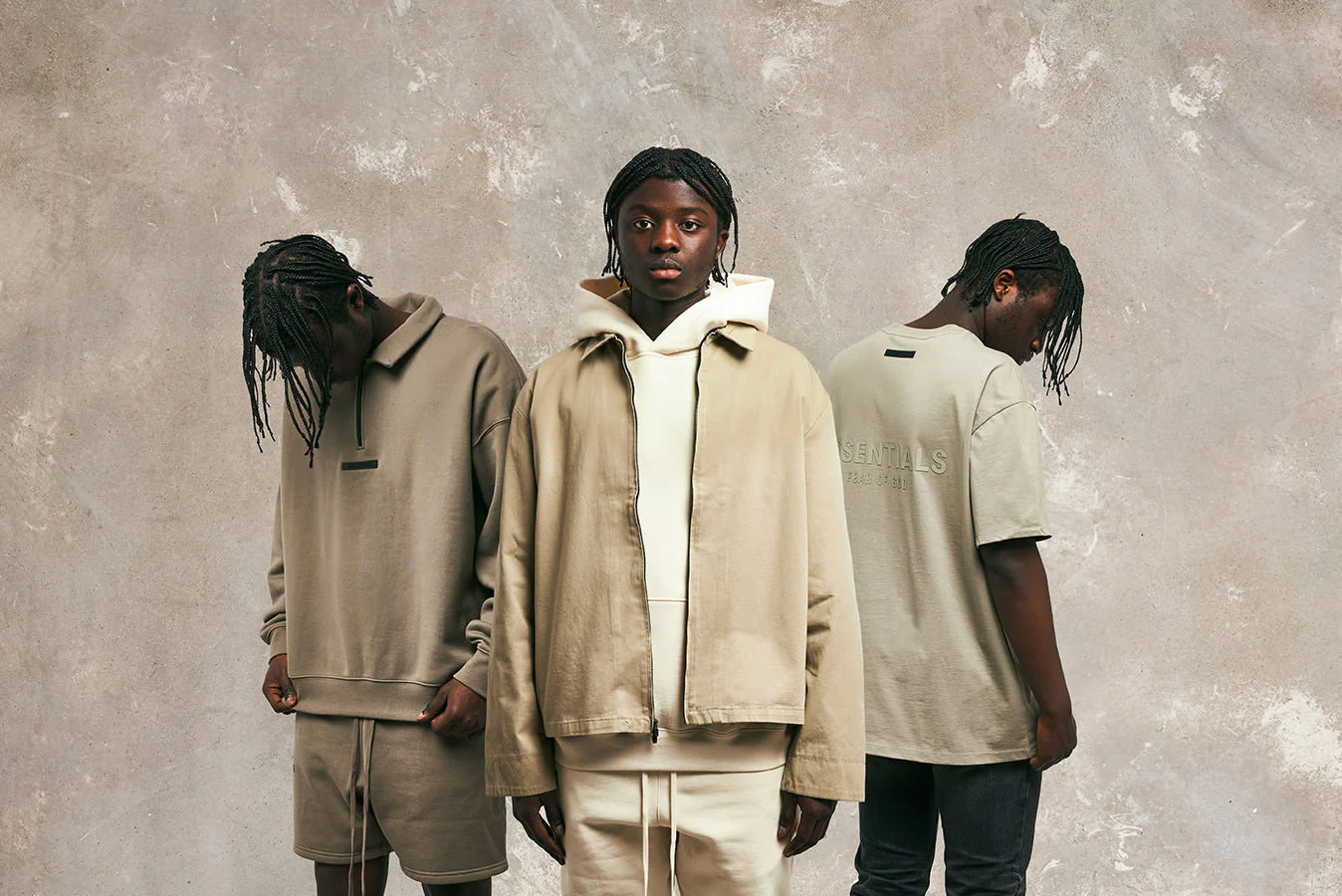
From working with streetwear brands, I’ve seen that FOG resonates because:
- It created the modern oversized aesthetic
- Celebrities amplified its reach
(Kanye West, Justin Bieber, MLB players) - It uses luxury-level materials with streetwear fits
- Its branding feels “grown-up,” minimal, and intentional
In a market full of loud logos, FOG’s quiet confidence stands out.

Who Is Fear of God Best For?
FOG appeals most to:
- Fans of minimalist streetwear
- People who love luxury basics
- Consumers preferring neutral tones & oversized silhouettes
- Buyers investing in premium, long-lasting pieces
If your target audience fits this aesthetic, you can borrow many elements from FOG for your own brand.
Brand Comparison Table
| Brand | Aesthetic | Price Level | Known For |
|---|---|---|---|
| Fear of God | Luxury minimalism, oversized fits | High-end | Timeless silhouettes, spiritual branding |
| Essentials | Everyday basics | Mid-range | Affordable FOG DNA |
| Yeezy | Futuristic minimalism | High | Avant-garde shapes & hype |
| Rhude | Street-luxury Americana | High | Mixed street + vintage motifs |
| Supreme | Bold logo-driven streetwear | Mid-high | Hype drops & skate culture |
What Brands Can Learn From Fear of God (My First-Hand Take)
From my manufacturing experience, here’s what new brands can adopt:
✔ Keep designs intentional
Don’t follow every trend — choose a signature silhouette.
✔ Prioritize fabric quality
FOG’s success relies heavily on premium fleece, French terry, sueded jersey, and custom washes.
✔ Build emotional meaning
Your brand name should represent something deeper, just like Fear of God.
✔ Consistency wins
Same palette, same fit philosophy — customers remember the DNA.
How to Apply Fear-of-God Principles to Your Own Clothing Line
If you're creating your own streetwear line (or improving one), here’s how to implement FOG-style strategies:
Choose a timeless color scheme
(Sand, taupe, off-white, charcoal)Use oversized but structured fits
Hoodies, tees, cargos, and track pants perform best.Invest in premium materials
Heavyweight 480–520gsm fleece, brushed terry, ribbed knits.Create a purpose-driven brand story
People buy why you exist, not just what you sell.Work with a factory that understands streetwear construction
(For example:
FuKi Apparel — Custom Streetwear Manufacturer ← internal link recommended for your site)Add sustainable long-term staples
Avoid trendy fast-fashion prints.
FAQ
Is Fear of God a religious brand?
Not exactly. The name reflects the designer’s upbringing, but the clothing isn’t religious apparel.
Why are Fear of God pieces expensive?
Because of premium fabrics, small-batch production, and luxury craftsmanship.
What’s the difference between Fear of God and Essentials?
Essentials is the affordable diffusion line.
Fear of God is luxury-level.
Does Fear of God influence modern streetwear brands?
Absolutely — its oversized silhouettes and neutral tones became industry standards.
Can new brands use similar design principles?
Yes. Minimalism + quality fabrics + consistent identity is always effective.
Conclusion
Fear of God succeeds because it blends spiritual meaning, high-quality design, and emotional storytelling into a brand identity people connect with.
If your fashion label wants to create long-term loyalty, studying FOG’s approach is a great starting point.
For custom streetwear production with oversized silhouettes, luxury fabrics, and small MOQ manufacturing, you can explore:
👉 FuKi Apparel — Custom Streetwear Manufacturer
(Recommended internal link for your site’s SEO)