
Table of Contents
- Quick Answer
- What Brain Dead Is — in Simple Terms
- How Brain Dead Started
- What Makes Brain Dead Different From Other Brands
- Is Brain Dead a Streetwear Brand or Something Else?
- Brain Dead vs Traditional Streetwear Brands
- Who Brain Dead Is For (and Who It’s Not)
- FAQ
- Conclusion
- Internal Reference
Quick Answer
Brain Dead is a culture-first creative brand that blends streetwear, art, design, and subculture.
Rather than operating like a typical fashion label, it functions more like a creative collective that happens to make clothing.
From my experience working with streetwear brands:
Brain Dead stands out because it prioritizes ideas and collaboration over trends and volume.
What Brain Dead Is — in Simple Terms
If you strip away the hype, Brain Dead is:
- a platform for graphic expression
- a hub for global subcultures
- a collaboration-driven creative studio
- a brand that uses apparel as its main output
It’s not built around seasonal fashion cycles.
It’s built around shared cultural references.
Official site:
👉 Brain Dead
How Brain Dead Started
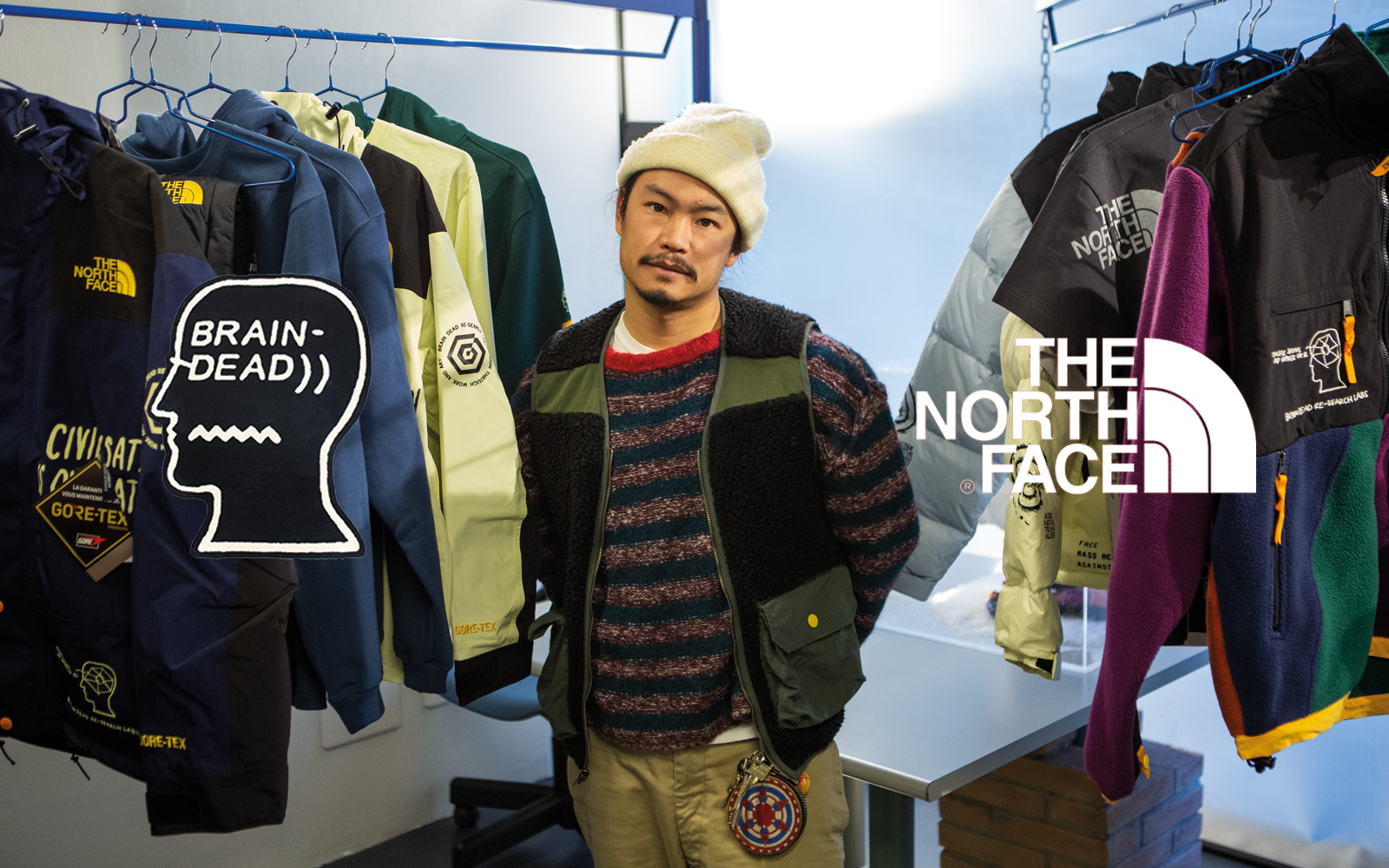
Brain Dead was founded in 2014, with Kyle Ng as a key creative force behind the brand.
What matters most is how it started:
- not as a traditional clothing company
- not as a trend-driven fashion label
- but as a creative outlet for graphics, zines, and subculture
From my perspective:
This origin explains why Brain Dead still feels like an art project first, brand second.
What Makes Brain Dead Different From Other Brands
Brain Dead breaks several standard fashion rules:
1. Collaboration Comes First
Brain Dead frequently collaborates with:
- artists
- musicians
- niche brands
- cultural institutions
Products are the result of collaboration—not the starting point.
2. Graphics Over Silhouettes
While many brands focus on fit and cuts, Brain Dead focuses on:
- illustration
- typography
- visual storytelling
The clothing is the canvas.
3. No Single Aesthetic
Brain Dead doesn’t force visual consistency.
Instead, it embraces:
- chaos
- experimentation
- subcultural overlap
From a brand strategy perspective:
This is risky—but it’s exactly why it feels authentic.
Is Brain Dead a Streetwear Brand or Something Else?
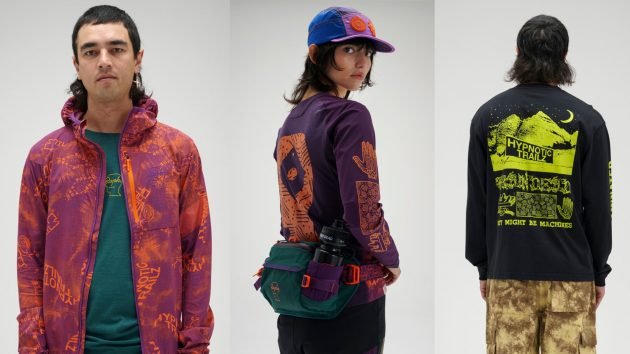
Brain Dead is often called streetwear—but that’s only partially correct.
A more accurate description:
A culture-driven creative brand with streetwear outputs
It sits between:
- streetwear
- art culture
- underground media
- collaborative design
From my experience:
Brands like this don’t fit into clean categories—and that’s intentional.
Brain Dead vs Traditional Streetwear Brands
| Aspect | Brain Dead | Traditional Streetwear |
|---|---|---|
| Core focus | Culture & ideas | Products & drops |
| Visual style | Experimental | Brand-consistent |
| Growth model | Selective | Scale-driven |
| Collaboration | Cultural | Commercial |
| Role of clothing | Medium | Main objective |
This explains why Brain Dead feels more editorial than commercial.
Who Brain Dead Is For (and Who It’s Not)
Brain Dead is ideal if you:
- appreciate graphic design and art
- follow subcultures over trends
- enjoy collaboration-driven brands
- value ideas over polish
It may not be for you if you:
- want timeless basics
- prefer minimal design
- expect luxury craftsmanship
- need brand consistency
Understanding this helps buyers choose correctly.
FAQ
What kind of brand is Brain Dead?
A culture-driven creative brand using apparel as a medium.
Is Brain Dead a luxury brand?
No. It’s best described as experimental streetwear.
Why is Brain Dead popular?
Because it prioritizes ideas, collaboration, and subculture over hype.
Is Brain Dead just streetwear?
No. It overlaps heavily with art, design, and media.
Conclusion
If you’re asking:
“What is Brain Dead the brand?”
The clearest answer is:
Brain Dead is a creative collective that uses clothing to express culture—not a fashion label chasing trends.
From my perspective:
That’s exactly why it continues to resonate.
Internal Reference
👉 FuKi Apparel – Manufacturing Support for Creative & Streetwear Brands
We help brands turn creative concepts into real garments—balancing design freedom, production quality, and scalable manufacturing.