
Many new clothing brands focus heavily on design ideas, fabrics, and marketing—but often overlook the actual garment production stages that turn a concept into a finished product.
From my experience working with OEM clothing manufacturers, understanding the production process helps brands communicate better with factories, avoid unexpected costs, and make smarter decisions before placing bulk orders.
In this guide, I'll explain the key garment production stages, what happens at each step, and what brands should check before moving forward.
Table of Contents
- Quick Answer
- The Main Garment Production Stages
- What Brands Should Check at Each Stage
- Common Production Mistakes
- How to Choose the Right Manufacturing Partner
- Resources
- FAQ
- Final Thoughts
Quick Answer
The main garment production stages include:
- Product development
- Fabric sourcing
- Pattern making
- Sampling
- Material preparation
- Cutting
- Sewing
- Decoration and finishing
- Quality inspection
- Packing and shipment
Each stage affects the final quality, cost, and delivery time of the product.
The Main Garment Production Stages
Stage 1: Product Development
Every garment starts with an idea.
During this stage, brands define:
- Product concept
- Target customer
- Garment style
- Fabric requirements
- Design details
- Expected price range
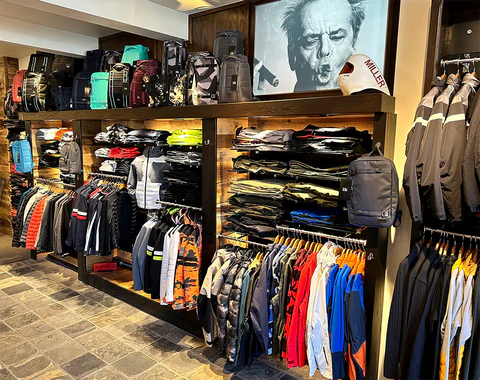
A clear product direction helps factories provide accurate recommendations.
Stage 2: Fabric and Material Sourcing
Fabric selection directly influences:
- Comfort
- Appearance
- Durability
- Production cost
Factories usually help brands choose materials such as:
- Cotton
- Heavyweight jersey
- French terry
- Fleece
- Nylon
- Polyester blends
Professional manufacturers also check fabric performance before production.
Stage 3: Pattern Making
Patterns are the blueprint of a garment.
Pattern makers create templates that control:
- Shape
- Size
- Fit
- Construction
A well-developed pattern ensures that every production piece maintains consistent measurements.
Stage 4: Sample Development
Before bulk manufacturing, factories create samples for approval.
Brands review:
- Fit
- Fabric hand feel
- Construction
- Printing
- Embroidery
- Overall appearance
Sample approval is one of the most important steps because it becomes the production standard.
Stage 5: Material Preparation
After sample approval, factories prepare bulk materials.
This includes:
- Fabric inspection
- Color confirmation
- Accessories preparation
- Label production
Proper preparation reduces production delays.
Stage 6: Cutting Process
During cutting, fabric layers are arranged and cut according to approved patterns.
Factories focus on:
- Pattern accuracy
- Fabric efficiency
- Size consistency
- Cutting quality
Incorrect cutting can affect the entire production batch.
Stage 7: Sewing and Assembly
This is where separate fabric panels become complete garments.
Production teams handle:
- Body construction
- Sleeve attachment
- Collar sewing
- Pocket installation
- Hem finishing

Experienced sewing teams improve durability and appearance.
Stage 8: Printing, Embroidery, and Finishing
Many branded garments require additional processes.
Common techniques include:
- Screen printing
- Puff printing
- Embroidery
- Heat transfer
- Garment washing
- Distressing
Factories check these details carefully to match approved samples.
Stage 9: Quality Inspection
Before shipment, factories inspect finished garments.
Quality checks usually include:
- Measurements
- Stitching
- Fabric defects
- Print quality
- Labels
- Packaging
Strong quality control reduces customer complaints.
Stage 10: Packing and Shipment
The final stage prepares products for delivery.
Factories complete:
- Folding
- Poly bag packing
- Carton packing
- Shipping documents
- Export preparation
After this step, products are ready to reach customers worldwide.
What Brands Should Check at Each Stage
| Production Stage | Brand Should Confirm |
|---|---|
| Development | Design details and target cost |
| Fabric Selection | Material quality and performance |
| Sampling | Fit and construction |
| Cutting | Size accuracy |
| Sewing | Stitch strength and finishing |
| Decoration | Artwork placement and quality |
| Final Inspection | Product consistency |
Common Production Mistakes
From my experience, many production problems come from avoidable issues.
Common mistakes include:
Unclear Product Requirements
Without detailed specifications, factories may misunderstand:
- Measurements
- Materials
- Construction details
Skipping Sample Reviews
Some brands rush directly into bulk production.
This often creates:
- Fit problems
- Color issues
- Construction mistakes
Choosing Only Based on Price
The cheapest supplier is not always the best choice.
Low prices can sometimes mean:
- Lower material quality
- Weak quality control
- Poor communication
How to Choose the Right Manufacturing Partner
A reliable clothing manufacturer should provide more than production capacity.
Look for:
- Strong sampling ability
- Fabric sourcing support
- Transparent communication
- Quality control systems
- Production experience
For example, Fuki Apparel helps brands manage the complete garment production journey, from product development and sampling to bulk manufacturing, quality inspection, and global shipping.
Resources
Internal Resources
External Resources
- https://www.sourcingjournal.com/
- https://www.businessoffashion.com/
- https://www.oeko-tex.com/
- https://bettercotton.org/
FAQ
What are the main stages of garment production?
The main stages include product development, fabric sourcing, pattern making, sampling, cutting, sewing, quality inspection, and shipment.
Why is garment sampling important?
Sampling allows brands to check fit, materials, and construction before investing in bulk production.
How long does garment production take?
Most clothing production requires around 20–45 days depending on product complexity, order quantity, and finishing requirements.
Which production stage affects quality the most?
Every stage matters, but fabric selection, pattern development, sewing, and quality control have the biggest impact.
Should small brands understand the production process?
Yes. Understanding production helps brands communicate better with factories and avoid costly mistakes.
Final Thoughts
From my experience, successful apparel production depends on controlling every stage—not just creating a good design.
Brands that understand garment production stages can make better decisions, improve product quality, and build stronger relationships with manufacturers.
If you're developing a new clothing collection, Fuki Apparel provides complete OEM and private label manufacturing services to help brands move from concept to finished products with reliable quality and professional production management.
