
When someone asks me “What are Denim Tears pants actually made of?” they’re usually trying to decide if the price is justified.
I work closely with apparel development and denim production, so I’ll answer this the same way I explain it to buyers and brand owners: plain language, real materials, no fluff.
Short version?
Denim Tears pants use simple materials—but they’re chosen, processed, and finished very deliberately.
Table of Contents
- Quick Answer
- Core Materials Used in Denim Tears Pants
- Material Breakdown Table
- Why These Materials Matter
- How Denim Tears Materials Compare to Regular Jeans
- FAQ
- Conclusion
- Internal Reference
Quick Answer
Denim Tears pants are primarily made from:
- 100% cotton denim (or cotton-heavy blends)
- Mid- to heavy-weight fabric
- Custom washes and pigment dyes
- Standard metal hardware with controlled finishing
The materials themselves aren’t exotic—but the way they’re selected, treated, and limited is what creates value.
Core Materials Used in Denim Tears Pants
:contentReference[oaicite:0]{index=0} focuses on meaning and permanence, which shows in its material choices.
Denim Fabric (Cotton Base)
Most Denim Tears pants use:
- 100% cotton denim
- Occasionally cotton-dominant blends (for structure or durability)
This matters because:
- Cotton ages naturally
- Creases and fades tell a story
- The fabric softens without losing character
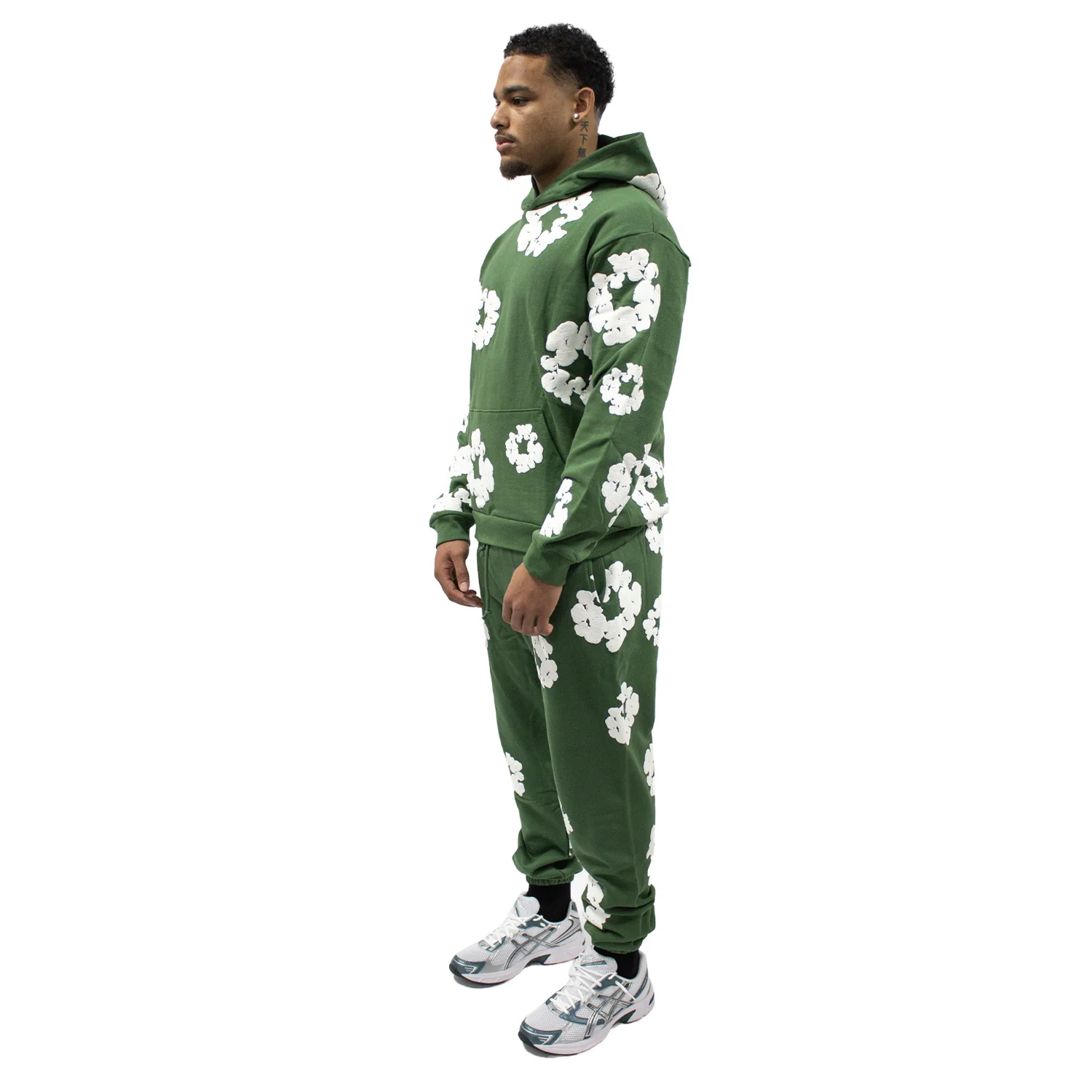
Unlike stretch-heavy jeans, these are meant to break in, not bounce back.
Yarn & Weave Structure
From a production standpoint, Denim Tears typically uses:
- Twill-woven denim
- Medium to heavier yarn counts
- Firm hand-feel (not soft-fast-fashion denim)
This gives the pants:
- Structure when new
- Gradual softening over time
- Better shape retention
It’s denim designed to age, not collapse after a season.
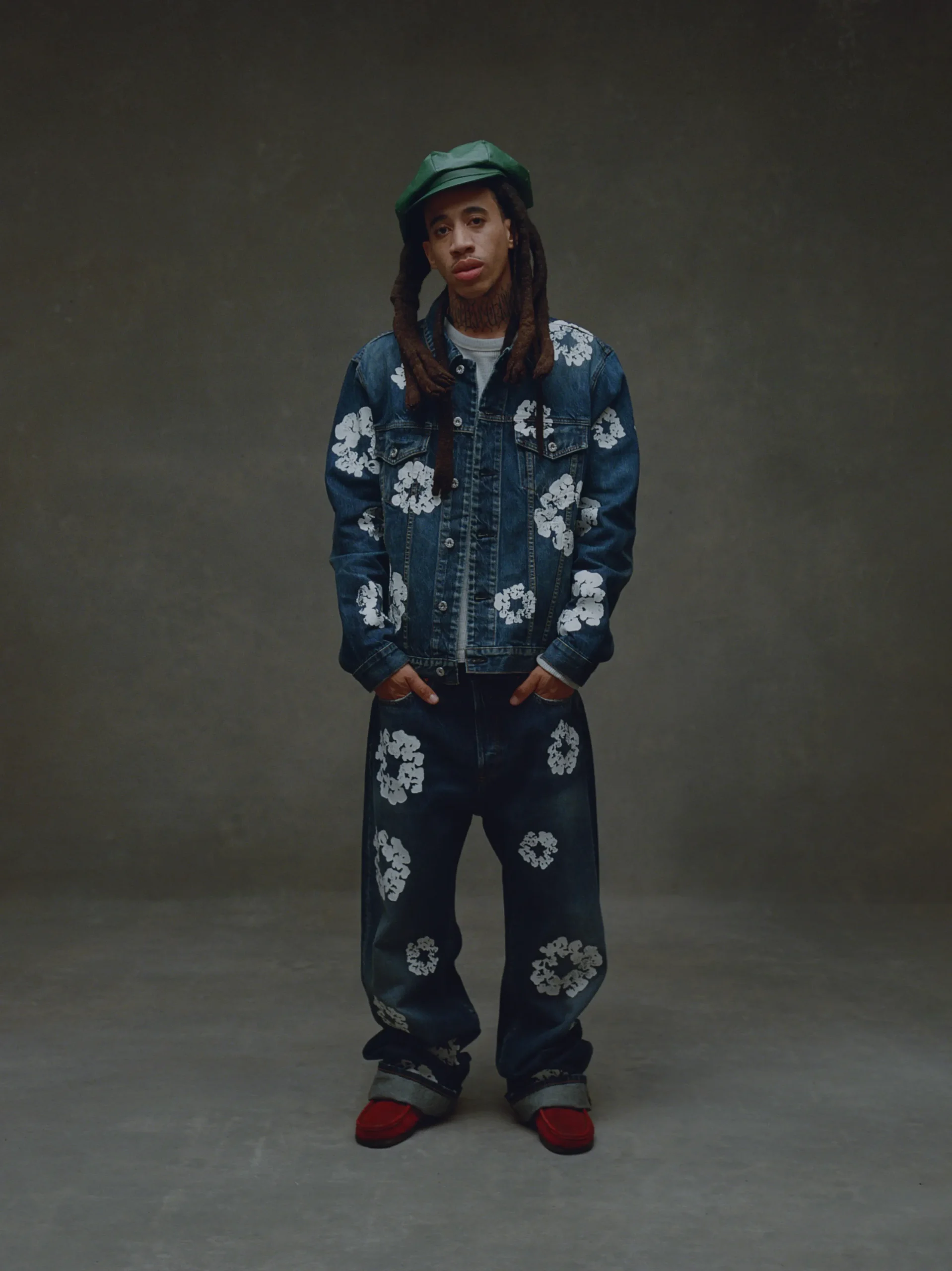
Dyes & Wash Treatments
This is where most of the cost and identity comes from.
Common processes include:
- Indigo dyeing
- Garment dye or pigment dye
- Vintage-style wash downs
- Intentional fading and distressing
Each wash step adds labor, water, and time—and increases rejection rates in QC.
That’s why two pairs rarely look exactly the same.
Fashion publications like Hypebeast and Highsnobiety often highlight Denim Tears for these intentional, story-driven finishes.
Thread, Hardware & Trims
Denim Tears pants usually feature:
- Cotton or poly-core stitching threads
- Standard metal rivets and buttons
- Minimal branding on trims
Nothing flashy—and that’s intentional.
The focus stays on fabric and symbolism, not hardware flex.
Material Breakdown Table
| Component | Material Used | Purpose |
|---|---|---|
| Main fabric | 100% cotton denim | Structure, aging, durability |
| Weave | Twill | Strength and classic denim feel |
| Dye | Indigo / pigment | Depth, fading, story |
| Wash | Multi-step vintage washes | Texture and individuality |
| Thread | Cotton / poly-core | Seam strength |
| Hardware | Metal buttons & rivets | Longevity, function |
Why These Materials Matter
From a manufacturing view, Denim Tears materials are chosen to support:
- Long wear life
- Visual aging over time
- Cultural permanence
Fast-fashion denim is optimized for first impression.
Denim Tears denim is optimized for long-term presence.
That’s a fundamental difference.
How Denim Tears Materials Compare to Regular Jeans
| Feature | Regular Jeans | Denim Tears Pants |
|---|---|---|
| Cotton content | Often blended | Mostly 100% cotton |
| Fabric weight | Light–medium | Medium–heavy |
| Wash complexity | Simple | Advanced |
| Aging behavior | Degrades | Improves |
| Design intent | Trend-based | Narrative-based |
They may look similar on a rack—but they behave very differently over time.
FAQ
Are Denim Tears pants raw denim?
Most are washed, not raw, but designed to age naturally.
Do they use stretch denim?
Rarely. Stretch conflicts with the brand’s vintage philosophy.
Are materials the same every season?
No. Fabric and wash treatments vary by release.
Conclusion
Denim Tears pants aren’t special because they use rare materials.
They’re special because they use classic materials with intention.
Cotton denim.
Strong weave.
Careful dyeing.
Controlled washing.
In a market chasing novelty, Denim Tears chooses discipline.
That’s what gives the materials their meaning.
Internal Reference
If you’re building your own brand and want to develop denim with the right fabric, wash, and aging behavior—without copying anyone else—see how professional denim development works at
👉 fukiapparel
Because materials don’t speak by themselves.
They speak through decisions.