
The first time I worked on a custom T-shirt project, I thought a “T-shirt” was just… a T-shirt.
Then clients started asking for oversized, boxy, muscle, drop-shoulder, raglan, and scoop-neck styles—and I realized how wrong that assumption was.
In real production, T-shirt style defines the brand’s personality more than color or print.
So when people ask:
“What are the different styles of T-shirts?”
They’re really asking:
Which T-shirt shape fits my body, lifestyle, or brand best?
This guide gives you a clear, practical answer.
For a quick history of how the T-shirt evolved, see Wikipedia – T-shirt.
Table of Contents
- Quick Answer
- Why T-Shirt Style Matters
- Main T-Shirt Styles
- Style Comparison Table
- Which T-Shirt Style Should You Choose?
- FAQ
- Internal Reference
Quick Answer
The most common T-shirt styles include:
- Classic crew neck – timeless and universal
- V-neck – sharper, more refined look
- Oversized / boxy – modern streetwear shape
- Slim fit – body-contoured silhouette
- Longline – extended length for layering
- Muscle / sleeveless – athletic and bold
- Raglan – sporty shoulder construction
Each style creates a different visual language for your outfit—or your brand.
You can see how mass brands interpret these shapes on UNIQLO and H&M.
Why T-Shirt Style Matters
From a manufacturing and branding perspective, T-shirt style controls:
- How your body looks
- How prints appear
- How premium the garment feels
- How “modern” or “classic” it reads
Two shirts made from the same fabric can feel like two different brands just by changing the cut.
That’s why serious apparel brands obsess over silhouette first—exactly how streetwear leaders like Supreme build identity around a single tee shape.
Main T-Shirt Styles
Classic Crew Neck
The universal standard.
- Straight body
- Regular shoulder line
- Round neckline
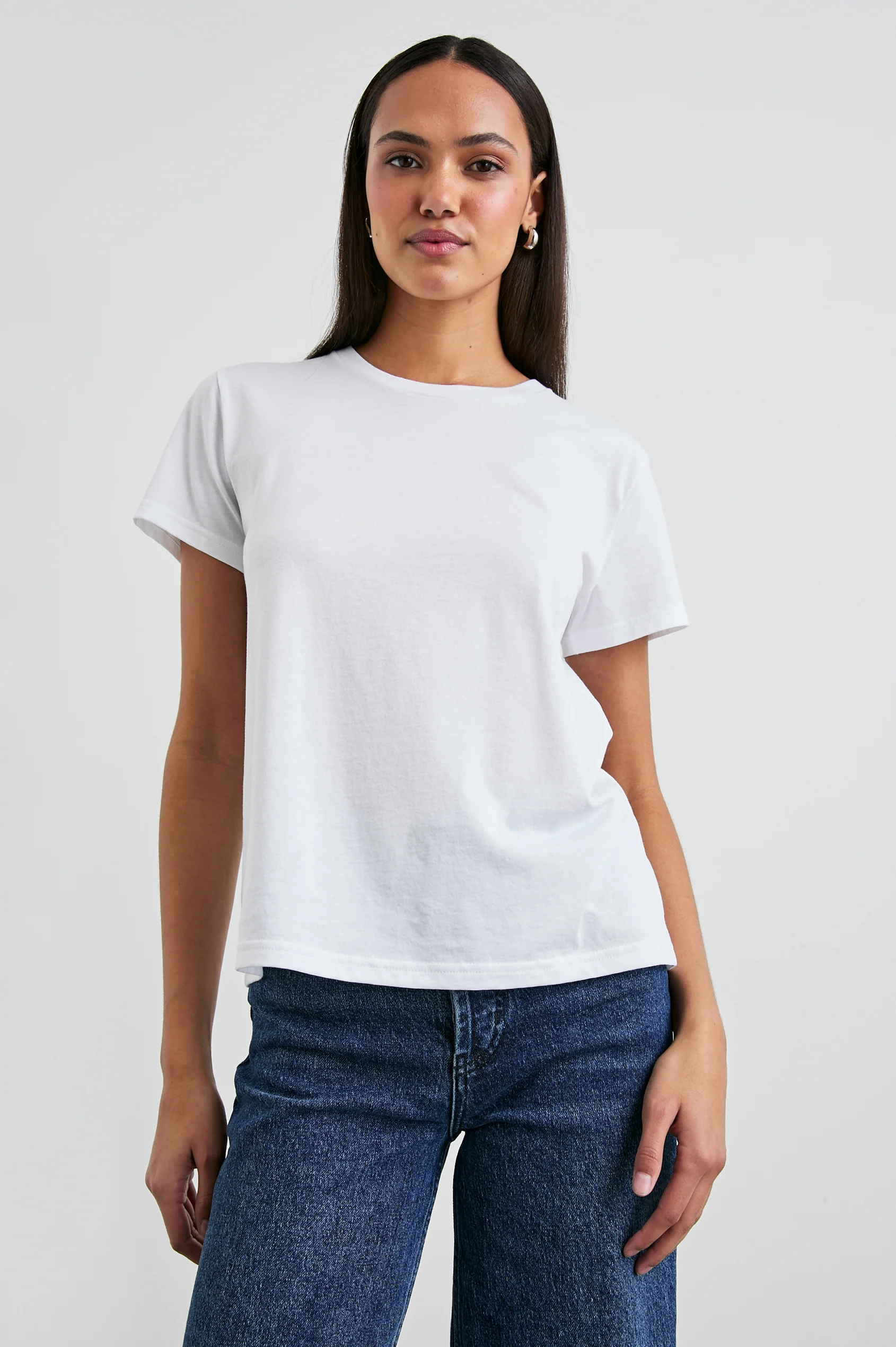
Best for:
Everyday wear, uniforms, merch, mass-market brands.
Seen everywhere from Nike basics to corporate uniforms.
V-Neck T-Shirts
A sharper alternative.
- Open neckline
- Visually lengthens the torso
- Feels slightly dressier
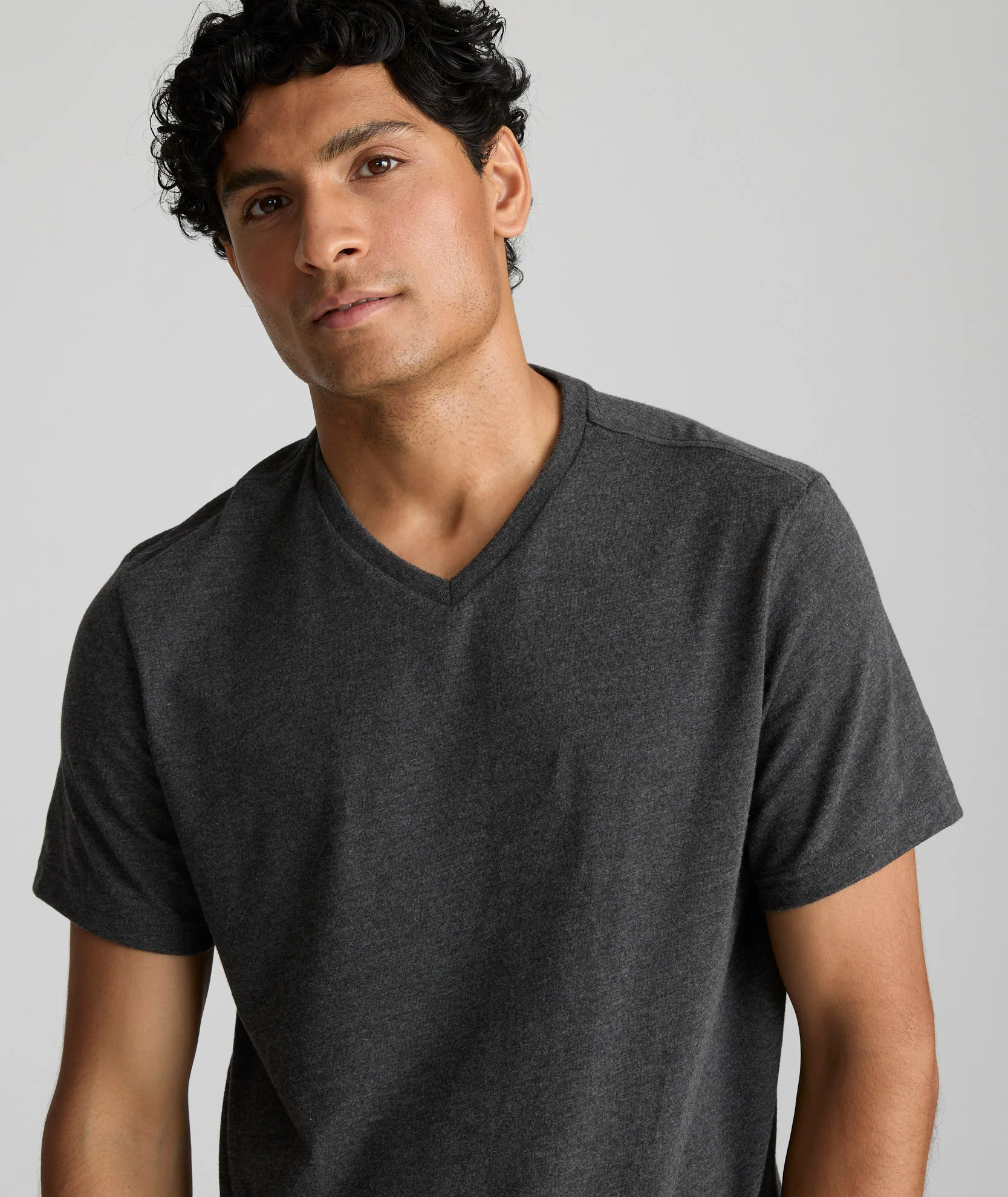
Best for:
Casual-smart outfits, layering under jackets.
Oversized & Boxy Tees
The backbone of modern streetwear.
- Dropped shoulders
- Wider chest
- Squared body
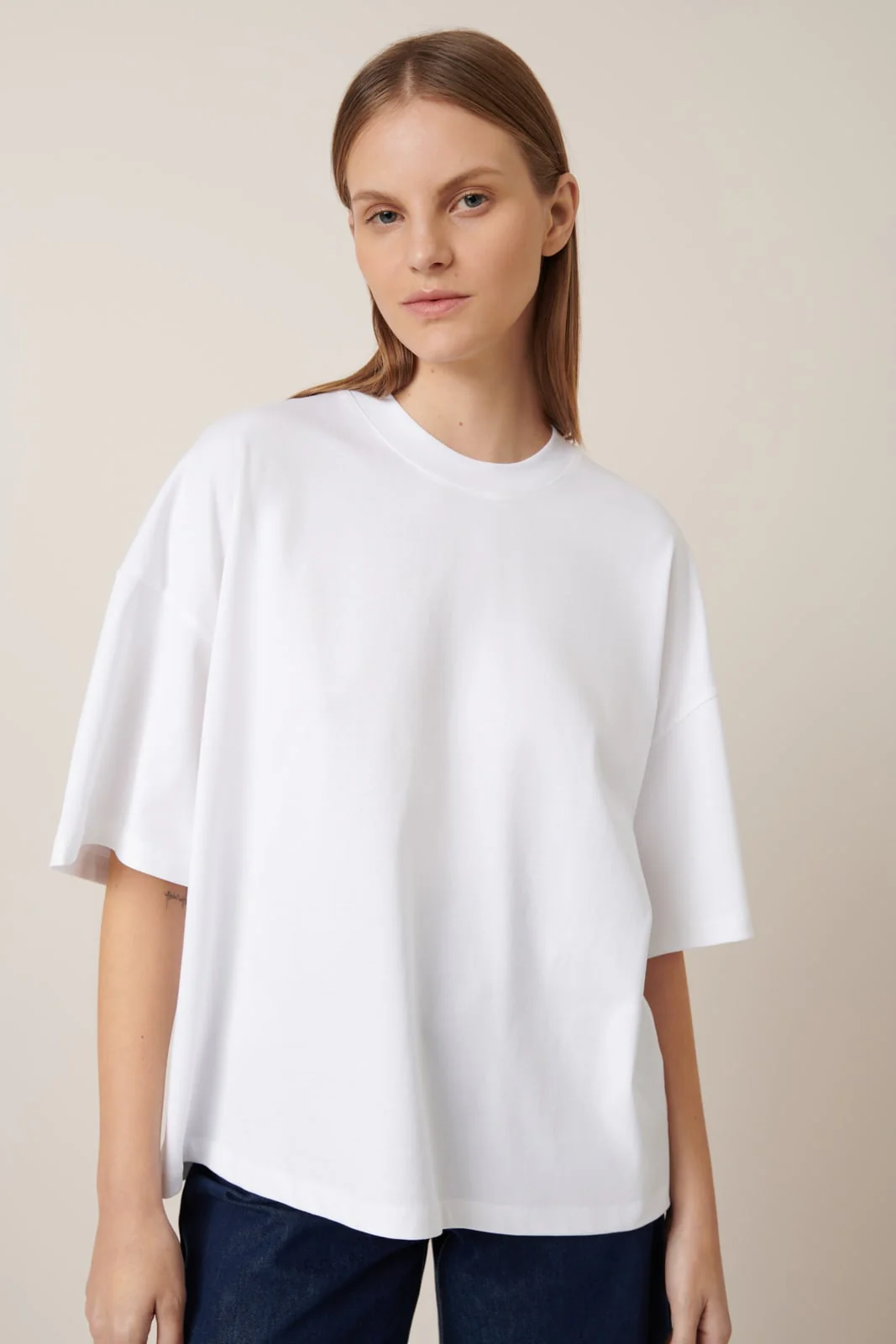
Best for:
Streetwear brands, Gen Z fashion, relaxed styling.
This silhouette dominates labels like Fear of God and Essentials.
Slim Fit T-Shirts
Designed to follow the body.
- Tapered waist
- Narrow sleeves
- Clean profile
Best for:
Minimal wardrobes, fitted looks, athletic builds.
Longline T-Shirts
Extended length.
- Longer hem
- Layering effect
- Vertical silhouette
Best for:
Urban fashion, tall wearers, layered outfits.
Popular in early urban brands and still seen in ASOS collections.
Muscle & Sleeveless Tees
Built for exposure.
- Open armholes
- Emphasizes shoulders
- Athletic energy
Best for:
Gym wear, summer styling, active brands.
Raglan T-Shirts
Sport-influenced construction.
- Diagonal shoulder seams
- Greater arm mobility
- Retro athletic feel
Best for:
Sportswear, casual activewear, vintage-inspired brands.
Style Comparison Table
| Style | Fit Type | Visual Impact | Best Use Case |
|---|---|---|---|
| Crew Neck | Regular | Neutral | Daily wear, merch |
| V-Neck | Regular | Refined | Smart-casual outfits |
| Oversized | Loose/Boxy | Trendy | Streetwear brands |
| Slim Fit | Fitted | Clean | Minimal fashion |
| Longline | Extended | Urban | Layered looks |
| Muscle | Open | Bold | Gym & summer wear |
| Raglan | Athletic | Sporty | Active lifestyle brands |
Which T-Shirt Style Should You Choose?
Choose based on how you live:
- Want something timeless? → Crew neck
- Want modern streetwear? → Oversized / boxy
- Want a clean, fitted look? → Slim fit
- Want layering flexibility? → Longline
- Want athletic energy? → Muscle or raglan
In production, I always advise brands to pick one core silhouette and build identity around it.
That’s how a “T-shirt” becomes a signature.
FAQ
Are oversized T-shirts still trendy?
Yes. They dominate streetwear and Gen Z fashion.
Is slim fit outdated?
No. It’s just no longer the default.
Can one brand use multiple styles?
Yes—but one style should lead.
Internal Reference
If you’re exploring how different T-shirt styles are developed, cut, and produced for private-label brands, visit fukiapparel.