
Table of Contents
- Quick Answer
- Why Preparation Matters Before Production
- What a Streetwear Clothing Manufacturer Actually Does
- Key Things to Prepare Before Contacting a Manufacturer
- Understanding MOQ, Pricing, and Timelines
- Fabric, Fit, and Quality Considerations
- Sampling: The Most Critical Step
- Communication Tips That Save You Money
- Red Flags to Avoid When Choosing a Manufacturer
- Pre-Production Decision Guide
- Pre-Production Checklist
- FAQ
- Conclusion
- Internal Reference
Quick Answer
Before working with a streetwear clothing manufacturer, brands should prepare:
- clear product designs
- fabric and fit expectations
- budget and MOQ understanding
- branding details
- realistic production timelines
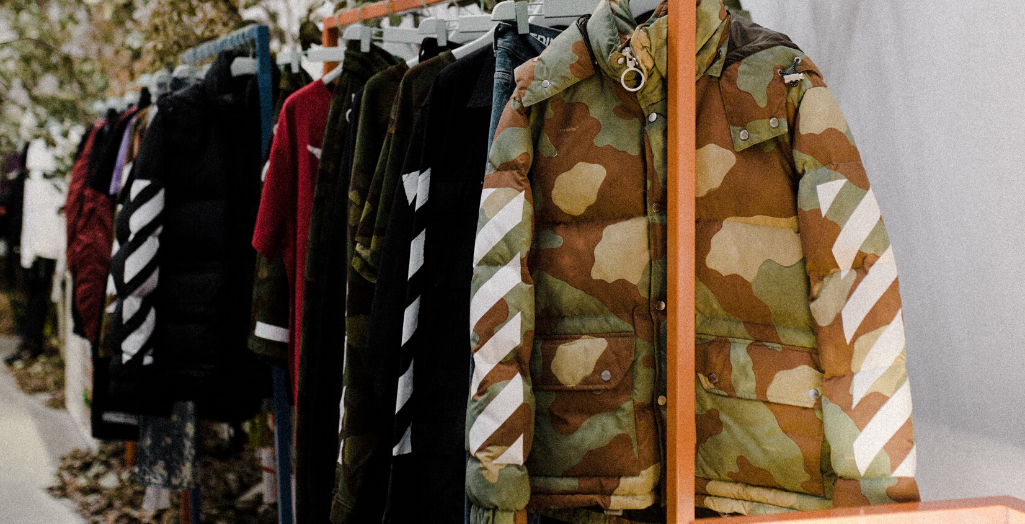
From my experience, most production problems don’t come from factories — they come from poor preparation before production starts.
Why Preparation Matters Before Production
Production is not where your brand begins — preparation is.
If you skip planning, you risk:
- incorrect samples
- delays in production
- unexpected costs
- inconsistent quality
Fashion industry platforms like
Business of Fashion
often emphasize that strong preparation leads to smoother supply chains and better product outcomes.
What a Streetwear Clothing Manufacturer Actually Does
A streetwear manufacturer helps turn ideas into finished garments.
Typical services include:
- pattern development
- fabric sourcing
- sampling
- bulk production
- printing and embroidery
- packaging
However, manufacturers are not designers — they execute your vision, not create it.
Key Things to Prepare Before Contacting a Manufacturer
Before reaching out, you should have the basics ready.
Essential Items
- product type (hoodie, T-shirt, shorts)
- reference images or sketches
- estimated quantity
- target price range
Advanced Preparation
- tech pack (recommended)
- logo files
- fabric preferences
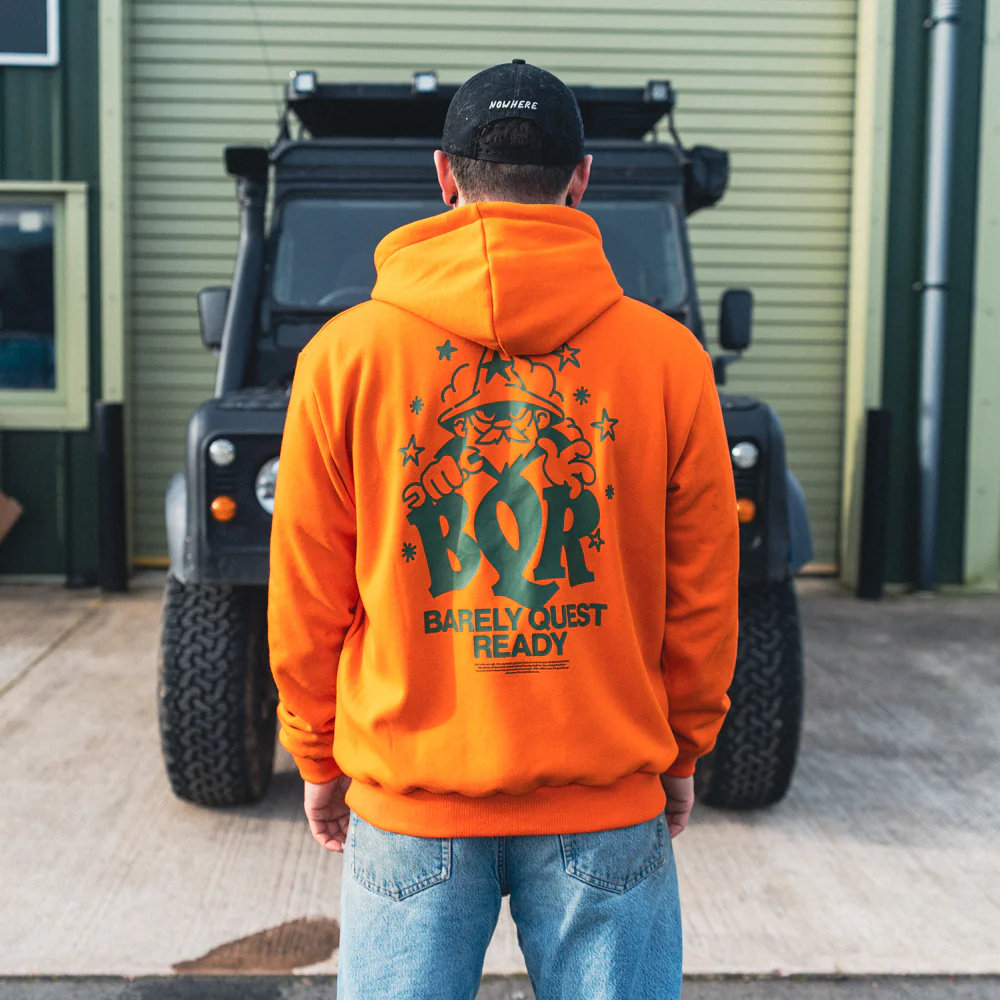
Clear preparation speeds up communication and reduces mistakes.
Understanding MOQ, Pricing, and Timelines
These three factors determine your production feasibility.
MOQ (Minimum Order Quantity)
| Type | Typical MOQ |
|---|---|
| low MOQ factory | 50–100 pcs |
| standard factory | 100–300 pcs |
| large factory | 300+ pcs |
Pricing Factors
- fabric quality
- design complexity
- customization (print, embroidery)
- order quantity
Timeline Overview
| Stage | Time |
|---|---|
| sampling | 7–14 days |
| production | 14–30 days |
| shipping | 5–10 days |
👉 Total: 4–8 weeks
Fabric, Fit, and Quality Considerations
These three elements define your product.
Fabric
Common choices include:
- cotton (T-shirts)
- fleece (hoodies)
- nylon (technical wear)
Fit
Streetwear often uses:
- oversized silhouettes
- relaxed cuts
- dropped shoulders
Quality
Check:
- stitching consistency
- fabric weight
- print durability
Platforms like
Hypebeast
frequently highlight how quality and fit influence brand perception.
Sampling: The Most Critical Step
Sampling is where your product becomes real.
What to Check
- fit accuracy
- material feel
- logo placement
- color consistency
Key Advice
Never skip sampling — it is your last chance to fix problems before mass production.
Communication Tips That Save You Money
Clear communication prevents costly mistakes.
Best Practices
- be specific with instructions
- confirm details in writing
- use images or references
Common Mistakes
- vague descriptions
- last-minute changes
- assuming understanding
Good communication = better production results.
Red Flags to Avoid When Choosing a Manufacturer
Watch out for these warning signs:
1. No Sampling Option
This increases production risk.
2. Unclear Pricing
Hidden costs can damage your budget.
3. Poor Communication
Delays and misunderstandings will follow.
4. Unrealistically Low Prices
Often leads to low-quality products.
Pre-Production Decision Guide
Use this guide to make better decisions.
| Situation | Recommendation |
|---|---|
| limited budget | start with simple designs |
| new brand | choose low MOQ factory |
| testing market | small batch production |
| scaling brand | increase order size |
Pre-Production Checklist
Before production starts, confirm:
| Task | Done |
|---|---|
| designs finalized | ✓ |
| fabric selected | ✓ |
| sample approved | ✓ |
| MOQ confirmed | ✓ |
| pricing agreed | ✓ |
| timeline confirmed | ✓ |
FAQ
What should I prepare before contacting a manufacturer?
Designs, references, quantity, and budget expectations.
What is the biggest mistake before production?
Skipping preparation or unclear communication.
How do I reduce production risk?
Focus on sampling and clear documentation.
Can beginners work with manufacturers?
Yes, especially with low MOQ suppliers.
Conclusion
Working with a streetwear clothing manufacturer becomes much easier when you prepare properly.
Focus on:
- clear product direction
- realistic expectations
- strong communication
- proper sampling
From what I’ve seen, brands that invest time before production save money and avoid major problems later.
Internal Reference
If you're ready to start production with a reliable partner, explore:
👉 Fuki Apparel – Streetwear Clothing Manufacturer
A professional manufacturer can help you move from idea to production with confidence.