
If you’ve searched “Is Undercover a Japanese brand?”, you’re likely trying to understand where it truly comes from—and why it feels so different from typical streetwear labels.
From my experience working with fashion brands and production teams, origin shapes everything:
- design language
- brand attitude
- emotional connection
Undercover is a perfect example of that.
Table of Contents
- Quick Answer
- What Is Undercover?
- Who Founded Undercover?
- Why Undercover Feels Different
- Japanese Streetwear vs Western Streetwear
- Undercover’s Global Impact
- Is Undercover Streetwear or High Fashion?
- Who Should Wear Undercover?
- FAQ
- Conclusion
- Internal Reference
Quick Answer
Yes—Undercover is a Japanese brand.
It was founded in Tokyo by Jun Takahashi and remains deeply rooted in Japanese fashion culture.
Official site:
👉 Undercover
What Is Undercover?
Undercover is not just another streetwear label.
It blends:
- punk culture
- high fashion construction
- conceptual storytelling
- Japanese craftsmanship
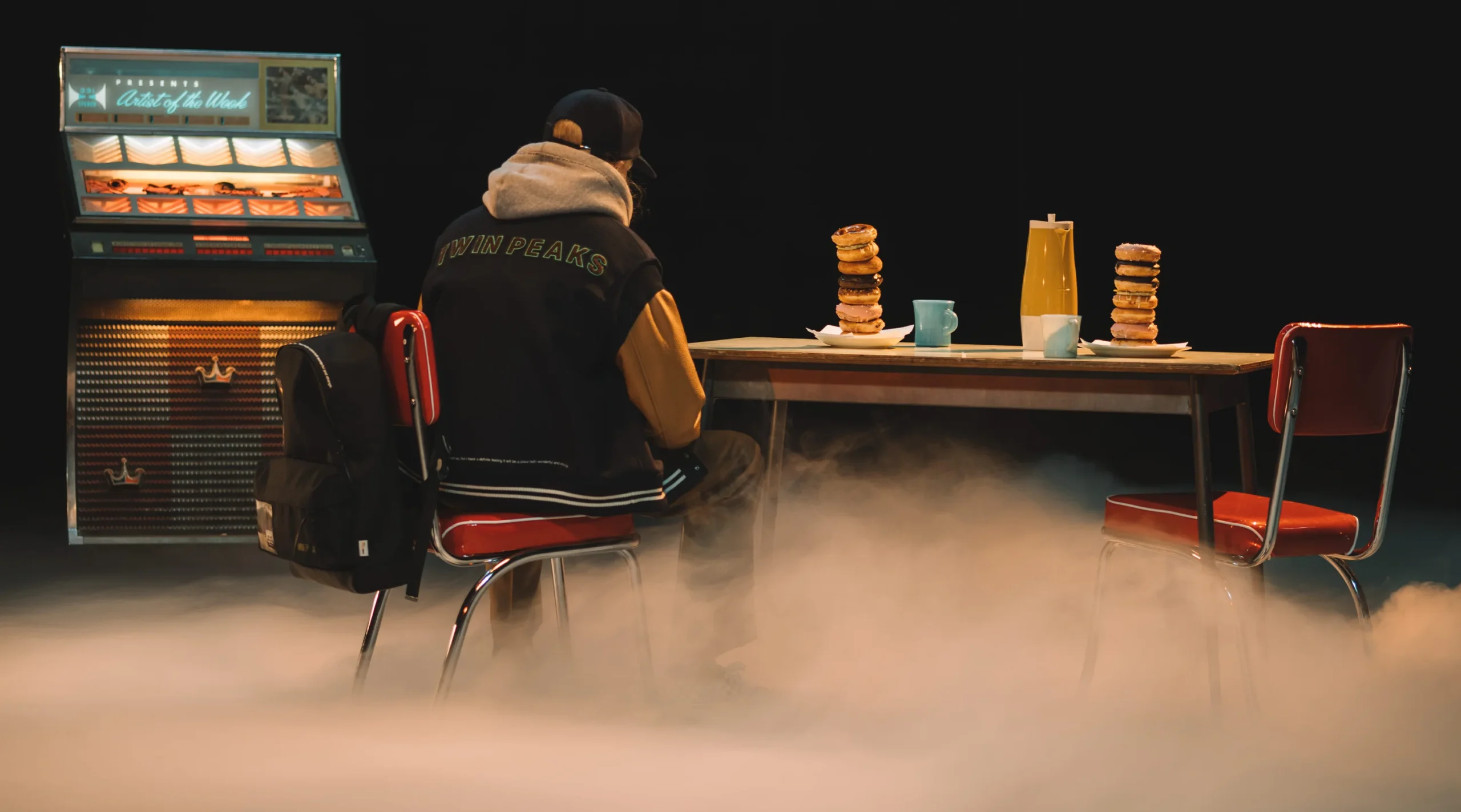
From what I’ve seen in production workflows:
Undercover operates more like a fashion laboratory than a trend brand.
Each collection tells a story.
Each piece feels intentional.
Who Founded Undercover?
Undercover was founded in 1990 by:
Jun Takahashi — Japanese designer, artist, and cultural architect
He started in Tokyo’s Harajuku scene, influenced by:
- punk music
- underground art
- DIY culture
- anti-fashion movements
This foundation explains why the brand feels:
rebellious yet refined
Why Undercover Feels Different
Japanese fashion often emphasizes:
- precision
- philosophy
- long-term thinking
Undercover is built on ideas, not just visuals.
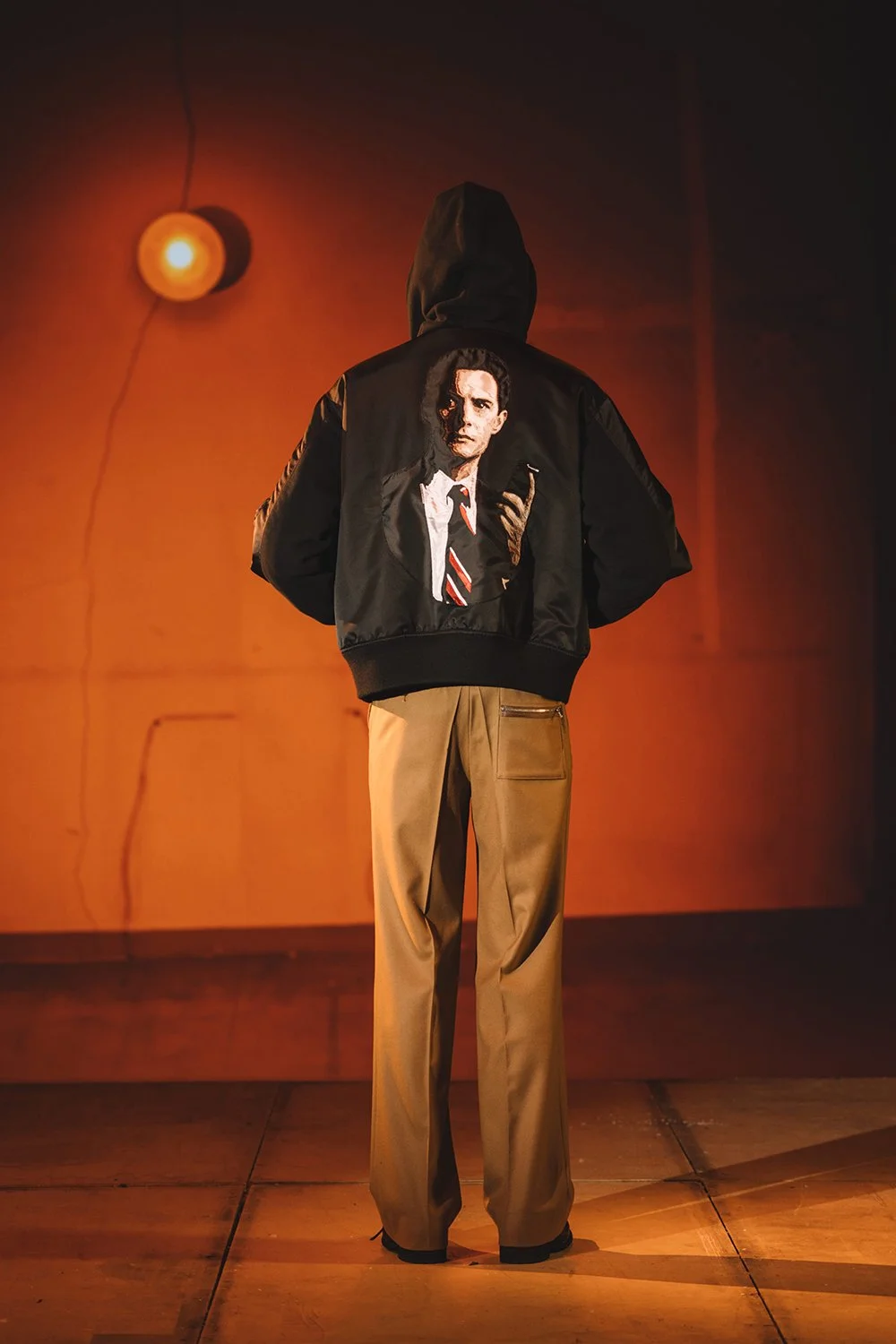
From my perspective, this reflects a core Japanese mindset:
Fashion is not just what you wear—it’s what you believe.
That’s why Undercover pieces often look simple—but feel deeper.
Japanese Streetwear vs Western Streetwear
| Aspect | Japanese Streetwear | Western Streetwear |
|---|---|---|
| Core value | Concept & craft | Hype & trend |
| Design rhythm | Slow & intentional | Fast & reactive |
| Focus | Narrative | Visibility |
| Longevity | Long-term | Drop-driven |
Undercover stays aligned with Japanese philosophy, even as it becomes global.
Undercover’s Global Impact
Undercover gained international recognition through Paris Fashion Week.
It proved that a Japanese brand could:
- stand on couture runways
- collaborate globally
- influence luxury fashion
Today, it collaborates with brands like:
- Nike
- Supreme
While maintaining its identity.
That balance is rare.
Is Undercover Streetwear or High Fashion?
The honest answer:
Both.
- Streetwear in spirit
- High fashion in execution
From a production perspective, Undercover uses:
- advanced pattern construction
- complex layering
- experimental fabrics
It behaves like a designer label, even when silhouettes feel casual.
Who Should Wear Undercover?
Undercover is ideal if you:
- value concept over trend
- like clothing with meaning
- appreciate Japanese design
- prefer subtle rebellion
It may not suit you if you:
- chase hype cycles
- want bold logos
- prefer fast fashion
- prioritize trends over ideas
FAQ
Is Undercover still based in Japan?
Yes. It remains rooted in Tokyo.
Is Undercover considered luxury?
It’s best described as designer streetwear with luxury-level execution.
Who designs Undercover today?
Jun Takahashi is still the creative force.
Is Undercover popular globally?
Yes. It has strong influence across Europe, the U.S., and Asia.
Conclusion
So, is Undercover a Japanese brand?
Absolutely.
It is Japanese in:
- origin
- philosophy
- creative direction
From my experience, that’s exactly why it stands out.
It wasn’t built for trends.
It was built for expression.
And that’s what makes it timeless.
Internal Reference
👉 FuKi Apparel – Streetwear Development & Manufacturing
Explore how Japanese-inspired concepts, narrative design, and technical construction can be translated into real production—without losing identity.