
If you’ve seen “NSC” next to Sacai products online, you might be wondering: Is Sacai the same as NSC?
I had the same confusion the first time I sourced Sacai-style pieces for a client. The short answer is no—they are not the same brand. NSC is not Sacai. But the reason people mix them up reveals a lot about how modern fashion spreads.
This guide explains the difference clearly, in plain language.
Table of Contents
- Quick Answer
- What Sacai Actually Is
- What “NSC” Usually Refers To
- Why People Confuse Sacai with NSC
- Sacai vs NSC: Key Differences
- How to Tell If a Product Is Real Sacai
- Who Should Choose Which
- FAQ
- Conclusion
- Internal Reference
Quick Answer
No—Sacai is not the same as NSC.
Sacai is a Japanese designer brand founded by Chitose Abe, famous for hybrid, reconstructed garments.
“NSC” is typically a label used by resellers, factories, or derivative brands to describe Sacai-inspired styles, not the official Sacai brand.
Official Sacai site: Sacai
What Sacai Actually Is
Sacai is known for hybrid design—combining two garments into one:
- jacket + hoodie
- blazer + knit
- parka + skirt
From my experience, Sacai pieces feel like intentional contradictions. They look familiar and strange at the same time. That’s the brand’s DNA.
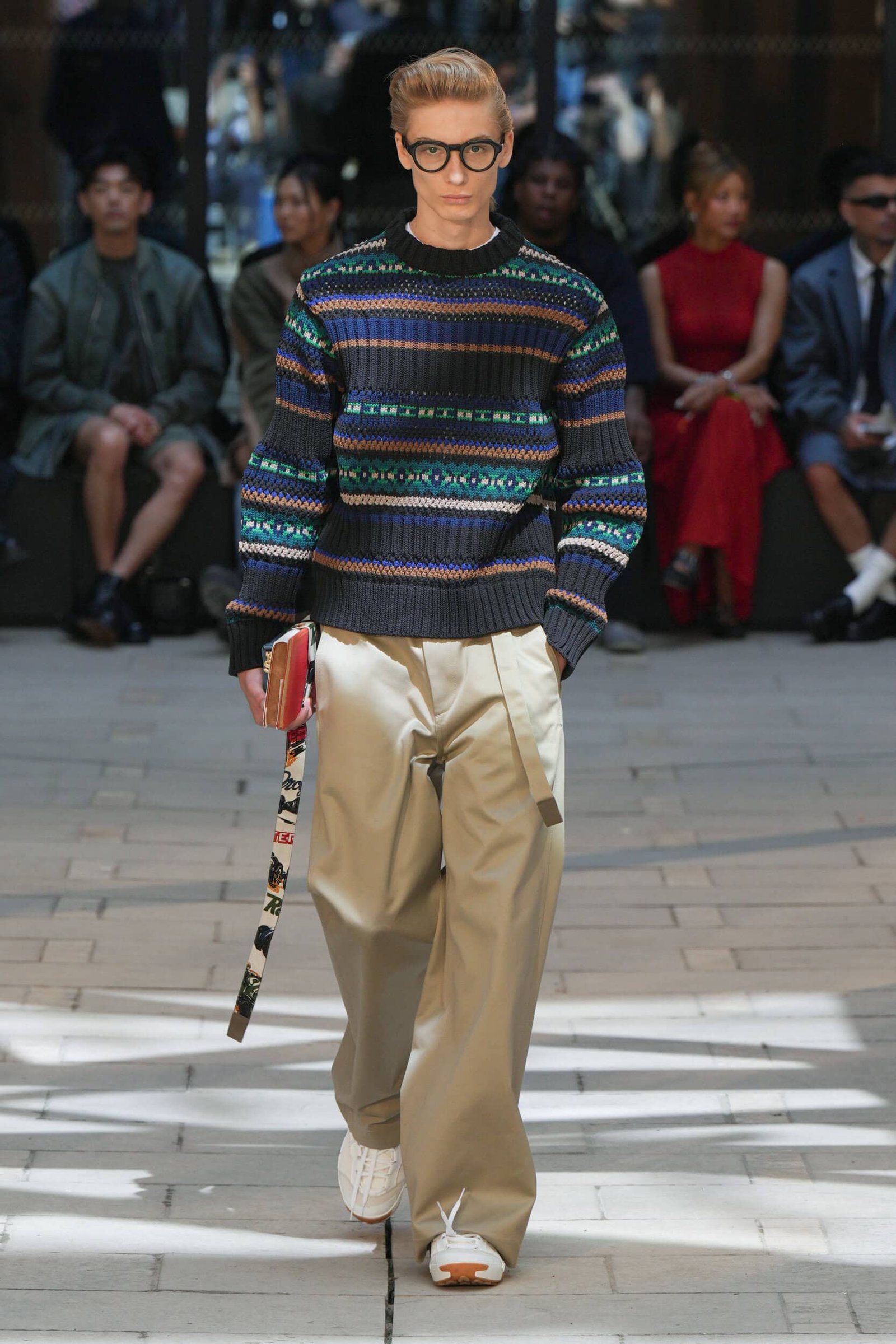
Core Sacai traits:
- layered construction
- mixed fabrics in one garment
- asymmetry
- visible reconstruction
This is why Sacai collaborations with Nike became iconic—they brought this philosophy into streetwear.
What “NSC” Usually Refers To
“NSC” is not an official Sacai line.
In most cases, NSC appears as:
- a reseller tag
- a factory code
- a marketplace brand name
- a shorthand for “Sacai-style” garments
It’s often used for:
- Sacai-inspired jackets
- hybrid hoodies
- layered outerwear
In other words, NSC is usually a derivative label, not the designer brand.
Why People Confuse Sacai with NSC
The confusion comes from three factors:
- NSC products copy Sacai’s hybrid look
- Marketplaces list them side-by-side
- Visual similarity overrides brand literacy

When people search “Sacai NSC,” they’re often trying to answer:
“Is this cheaper piece actually from Sacai?”
The answer is almost always no.
Sacai vs NSC: Key Differences
| Feature | Sacai | NSC |
|---|---|---|
| Brand origin | Japan, by Chitose Abe | Marketplace / derivative |
| Design | Original hybrid concepts | Inspired copies |
| Price | Premium designer | Budget to mid-range |
| Distribution | Boutiques, luxury retailers | Online platforms |
| Brand story | Clear and documented | Usually none |
Sacai creates.
NSC imitates.
How to Tell If a Product Is Real Sacai
From my sourcing experience, real Sacai pieces always include:
- Sacai-branded care labels
- Japanese sizing structure
- Complex pattern construction
- Retail presence (SSENSE, Farfetch, etc.)
Red flags:
- “NSC” instead of Sacai
- No designer attribution
- Generic product descriptions
- Marketplace-only availability
Who Should Choose Which
Choose Sacai if you:
- care about design authorship
- collect fashion history
- value original construction
- want long-term resale value
Choose NSC-style pieces if you:
- just like the layered look
- want lower prices
- don’t need brand heritage
- wear for style, not story
Neither is “wrong”—they serve different users.
FAQ
Is NSC owned by Sacai?
No. There is no official link.
Is NSC a Sacai sub-brand?
No. Sacai does not use NSC as a label.
Why do some shops list “Sacai NSC”?
It’s often marketing shorthand for Sacai-style items.
Are NSC pieces fake?
They are not Sacai. Some may be replicas, others just inspired designs.
Conclusion
Sacai and NSC are not the same.
Sacai is a designer brand built on original hybrid design.
NSC is usually a marketplace or factory label attached to Sacai-inspired pieces.
Understanding that difference helps you choose based on intent:
- Do you want design history? Choose Sacai.
- Do you want the look without the legacy? NSC-style works.
Internal Reference
If you’re exploring hybrid construction, layered garments, or Sacai-style development for your own brand, visit fukiapparel for manufacturing insight.