
If you’ve ever browsed Sacai online and wondered, “Is this actually luxury?”—you’re asking the right question.
From my experience working around designer and streetwear projects, Sacai doesn’t fit neatly into a single box. It looks like streetwear, prices like luxury, and thinks like high fashion.
So, is Sacai a luxury brand?
The honest answer is: yes—but in a modern, unconventional way.
This article explains what kind of “luxury” Sacai really represents and whether it makes sense for you.
Table of Contents
- Quick Answer
- What “Luxury” Means Today
- Where Sacai Sits in Fashion
- What Makes Sacai Feel Luxury
- Sacai vs Traditional Luxury Brands
- Who Sacai’s Luxury Is For
- Should You Buy Sacai as “Luxury”?
- FAQ
- Conclusion
- Internal Reference
Quick Answer
Yes—Sacai is a luxury brand.
But it’s not luxury in the traditional “logo, heritage, status” sense. Sacai represents concept-driven luxury—where design intelligence and construction matter more than prestige signaling.
Official brand site: Sacai
What “Luxury” Means Today
Luxury used to mean:
- heritage
- craftsmanship
- exclusivity
- high price
Modern luxury often means:
- original thinking
- limited production
- design authorship
- cultural relevance
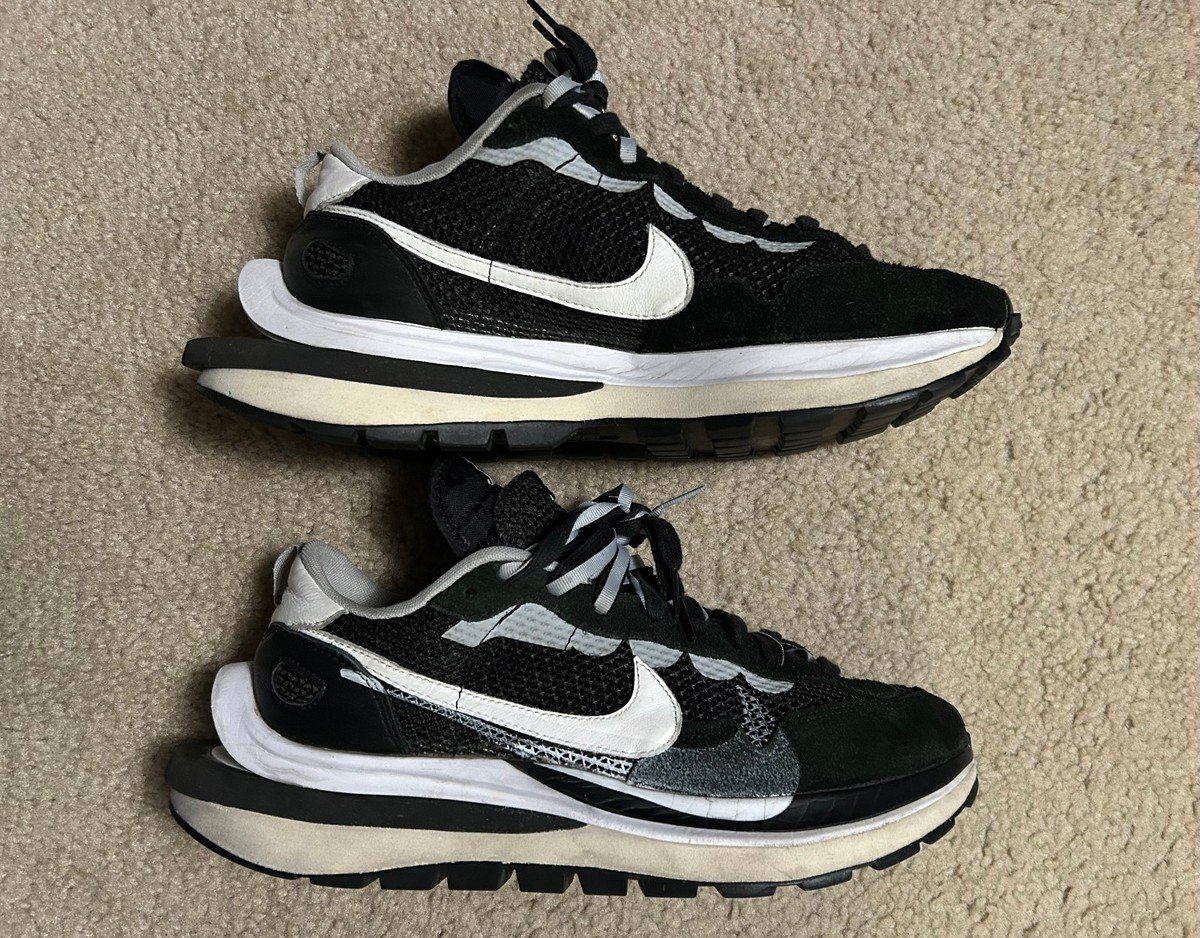
From what I’ve seen, Sacai belongs firmly in this modern category. It doesn’t sell history—it sells ideas.
Where Sacai Sits in Fashion
Sacai sits between:
- runway fashion
- streetwear culture
- art-driven design
It appears in:
- Paris Fashion Week
- high-end retailers (SSENSE, Farfetch)
- Nike collaborations
- fashion editorials
That placement alone signals luxury positioning.
But more importantly, Sacai operates like a designer house, not a mass brand.
What Makes Sacai Feel Luxury
From a production perspective, Sacai’s luxury comes from:
- complex pattern cutting
- multi-layer construction in one garment
- mixed fabrics within a single piece
- small-batch development
- designer-led vision
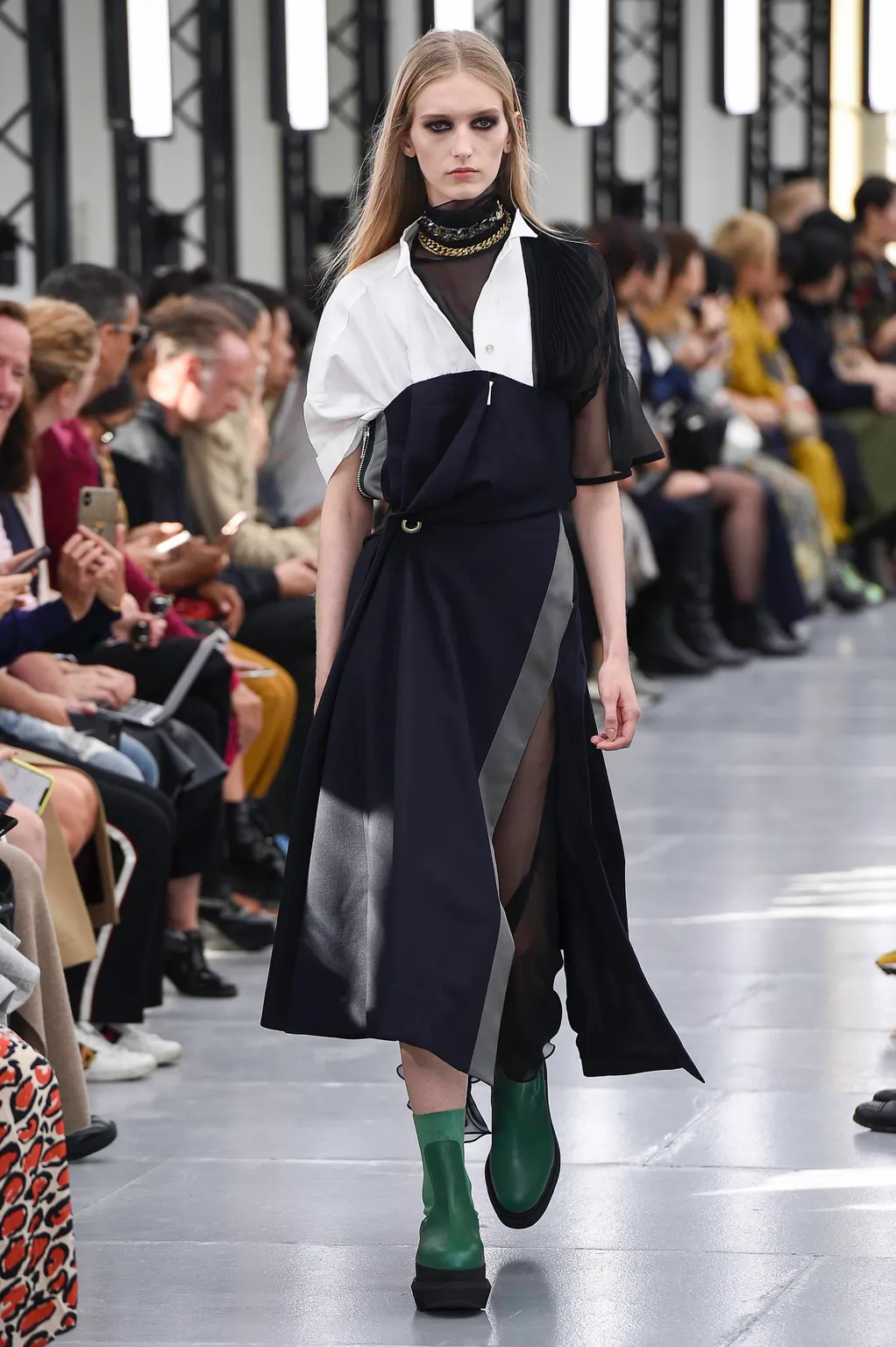
These garments are hard to manufacture well.
That difficulty is part of their value.
You’re not paying for a logo—you’re paying for thinking made wearable.
Sacai vs Traditional Luxury Brands
| Aspect | Traditional Luxury | Sacai |
|---|---|---|
| Identity | Heritage | Design concept |
| Visual style | Polished & classic | Hybrid & experimental |
| Branding | Logo-driven | Subtle |
| Motivation | Status | Expression |
| Audience | Prestige buyers | Design-aware wearers |
Sacai doesn’t compete with Chanel or Dior.
It competes with ideas.
Who Sacai’s Luxury Is For
Sacai’s version of luxury appeals to people who:
- value construction and detail
- enjoy layered, thoughtful design
- dislike obvious logos
- see clothing as self-expression
- care more about meaning than status
It’s not “look at me” luxury.
It’s “if you know, you know” luxury.
Should You Buy Sacai as “Luxury”?
Sacai Makes Sense If You:
- enjoy experimental silhouettes
- want garments that feel intentional
- care about design philosophy
- collect meaningful fashion
Sacai May Not Be for You If You:
- want visible brand prestige
- prefer simple, minimal basics
- dress mainly for comfort
- avoid unconventional cuts
Sacai isn’t about fitting in.
It’s about thinking differently.
FAQ
Is Sacai considered high fashion?
Yes. It shows in Paris and operates as a designer brand.
Why is Sacai so expensive?
Because of complex construction, limited production, and original design.
Is Sacai streetwear or luxury?
It’s both—a bridge between streetwear and luxury fashion.
Does Sacai hold resale value?
Many pieces do, especially collaborations.
Conclusion
So—is Sacai a luxury brand?
Yes. But it’s not luxury built on history or logos.
It’s luxury built on ideas, structure, and design intelligence.
From my perspective, Sacai represents what luxury is becoming:
Not louder.
Just smarter.
Internal Reference
If you’re developing layered garments, hybrid silhouettes, or Sacai-style constructions for your own brand, explore fukiapparel for production insight.