
If you’re asking “Is RTA clothing considered luxury?”, you’re really trying to understand how the brand should be categorized—and whether the price and positioning make sense.
From my experience working with contemporary fashion brands, RTA sits in a gray area that often confuses buyers.
Table of Contents
- Quick Answer
- What “Luxury” Means in Fashion
- Where RTA Actually Sits on the Spectrum
- Why RTA Is Often Mistaken for Luxury
- RTA vs Luxury and Streetwear Brands
- Should You Treat RTA as a Luxury Purchase?
- FAQ
- Conclusion
- Internal Reference
Quick Answer
RTA is not a traditional luxury brand.
It is best described as:
premium contemporary fashion with luxury-inspired elements
That distinction matters when evaluating:
- price
- quality
- expectations
What “Luxury” Means in Fashion
Traditional Luxury Criteria
True luxury brands typically share:
- long heritage or couture history
- in-house craftsmanship or ateliers
- use of rare or premium materials
- globally recognized prestige pricing
From my perspective:
Luxury is defined as much by structure and history as by price.
Where RTA Actually Sits on the Spectrum
RTA’s Real Positioning
RTA operates in the premium contemporary segment, positioned between:
- luxury fashion
- streetwear
Key traits:
- higher pricing than streetwear
- strong focus on leather and denim
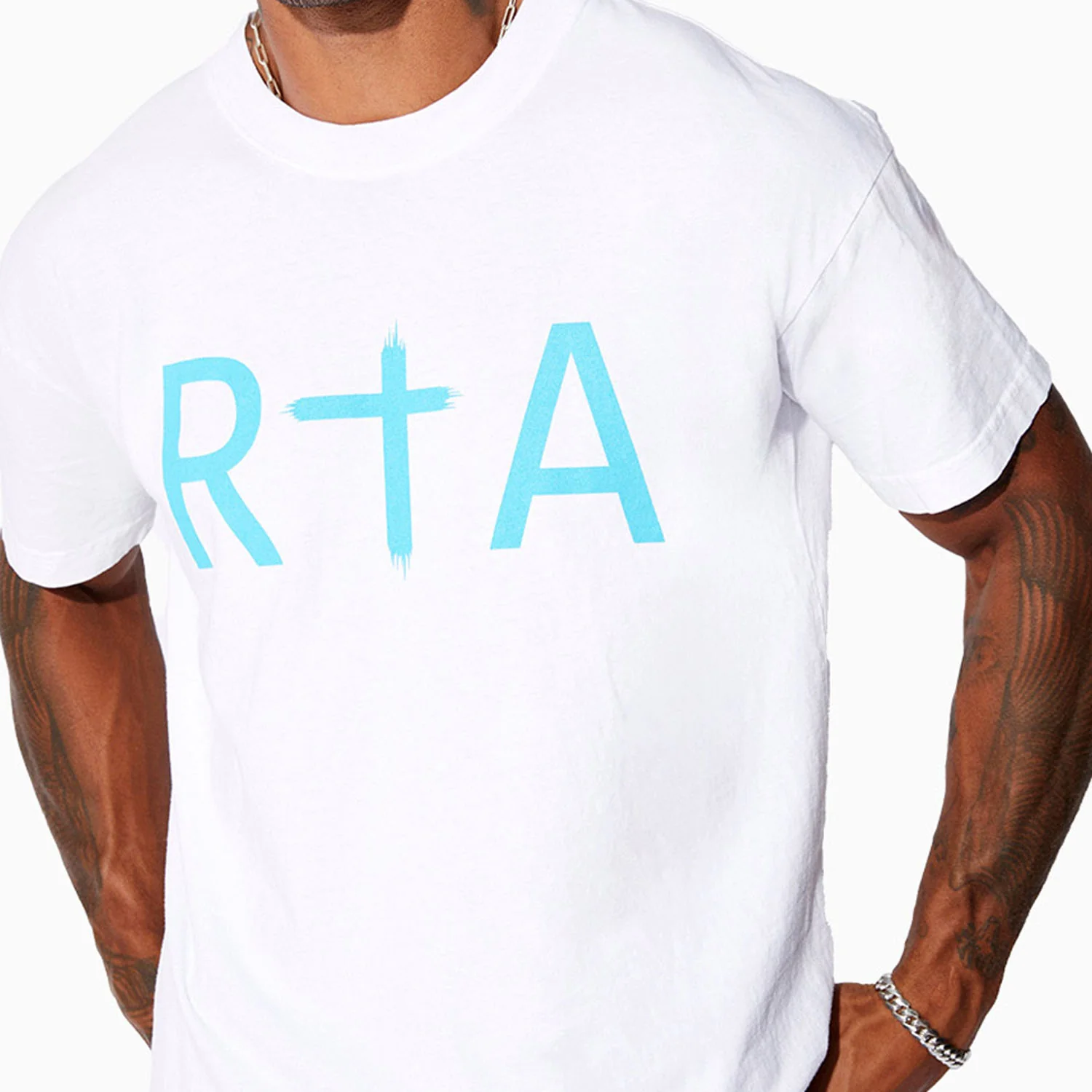
- refined, minimal branding
- wearable silhouettes
Official site:
👉 RTA
RTA borrows the feel of luxury without following its traditional system.
Why RTA Is Often Mistaken for Luxury
Price and Presentation
Consumers often assume RTA is luxury because:
- prices are significantly above basics
- leather and denim feel premium
- styling appears mature and refined
Design Language
RTA avoids:
- loud graphics
- trend-heavy visuals
- fast-fashion aesthetics

This restraint makes it feel:
luxury-adjacent—even when it isn’t structurally luxury
RTA vs Luxury and Streetwear Brands
| Category | RTA | Traditional Luxury | Streetwear |
|---|---|---|---|
| Heritage | Limited | Long-established | Minimal |
| Pricing | Premium | High to very high | Low to mid |
| Logos | Minimal | Often iconic | Often bold |
| Craft focus | Selective | Core identity | Secondary |
RTA clearly sits between categories, not fully inside one.
Should You Treat RTA as a Luxury Purchase?
When RTA Makes Sense
Choose RTA if you:
- want elevated everyday clothing
- prefer subtle, confident design
- value fit and materials over branding
- like luxury aesthetics without formality
When It May Disappoint
RTA may not be right if you:
- expect couture-level craftsmanship
- care about heritage or resale value
- want strong luxury status signaling
From my experience:
Satisfaction depends on buying RTA for what it is, not what it resembles.
FAQ
Is RTA a luxury brand?
No. It’s premium contemporary fashion.
Why is RTA more expensive than streetwear?
Due to better materials, refined fits, and smaller-scale production.
Is RTA better than luxury brands?
Depends on what you value—wearability vs heritage.
Is RTA worth the price?
Yes, if you value understated premium design.
Conclusion
So, is RTA clothing considered luxury?
No—at least not in the traditional sense.
It is best understood as:
premium contemporary fashion with luxury-inspired design
From my perspective, RTA is ideal for people who want:
- elevated style
- clean aesthetics
- wearable design
—without the structure or expectations of true luxury.
Internal Reference
👉 FuKi Apparel – Apparel Manufacturing & Brand Positioning
We help brands define product positioning, develop premium collections, and scale production with clear identity.