
If you’re planning to produce clothing, pricing is probably your biggest concern.
👉 How much will each piece cost?
👉 What factors affect the final price?
👉 Is it actually worth it?
From my experience working with apparel factories, pricing is rarely “fixed” — it depends on what you’re making, how you’re making it, and how much you’re ordering.
In this guide, I’ll break down Fuki Apparel’s pricing structure in a simple, practical way so you know exactly what to expect.
Table of Contents
- Quick Answer
- Overview of Fuki Apparel Pricing
- What Affects the Cost?
- Estimated Price Ranges (By Product)
- Customization Cost Breakdown
- Hidden Costs to Consider
- How to Reduce Your Costs
- Is Fuki Apparel Expensive or Worth It?
- FAQs
- Conclusion
- Internal Reference
Quick Answer
Fuki Apparel pricing typically falls into the mid-range, depending on fabric, customization, and order quantity. It’s not the cheapest option, but it offers strong value through quality, flexibility, and lower risk.
Overview of Fuki Apparel Pricing
FukiApparel does not use fixed pricing like retail — instead, it uses a custom quotation system based on your design.
Typical characteristics:
- MOQ: ~100 pcs
- Pricing varies by complexity
- Discounts apply for larger quantities
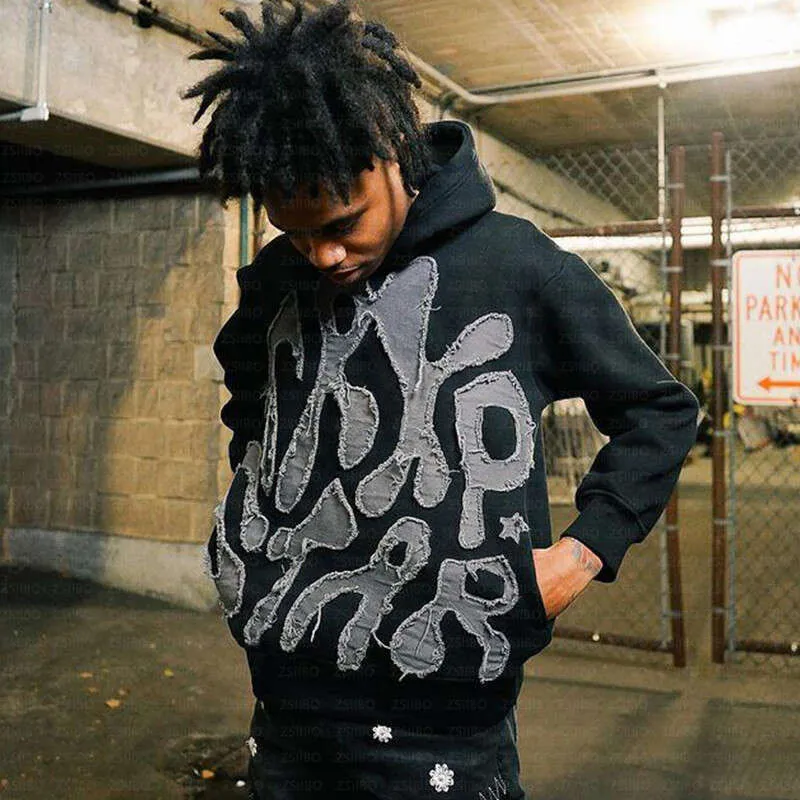
👉 Every product is priced based on what you actually need.
What Affects the Cost?
1. Fabric Type & Weight
- Basic cotton → lower cost
- Heavyweight or specialty fabrics → higher cost
👉 Fabric is usually the biggest cost driver.
2. Design Complexity
- Simple logo print → lower cost
- Multi-color prints, embroidery, puff print → higher cost
3. Quantity (MOQ Impact)
- 100 pcs → higher unit cost
- 300–500 pcs → lower unit cost
👉 Larger orders reduce cost per piece.
4. Customization Level
- Standard blanks → lower cost
- Full customization (labels, trims, packaging) → higher cost
5. Printing & Decoration
- Screen printing → cost-effective
- DTG or embroidery → more expensive
Estimated Price Ranges (By Product)
Note: These are general estimates based on typical orders.
| Product | Estimated Price (Per Piece) |
|---|---|
| T-Shirts | $5 – $12 |
| Hoodies | $12 – $25 |
| Sweatpants | $10 – $20 |
| Jackets | $20 – $50+ |
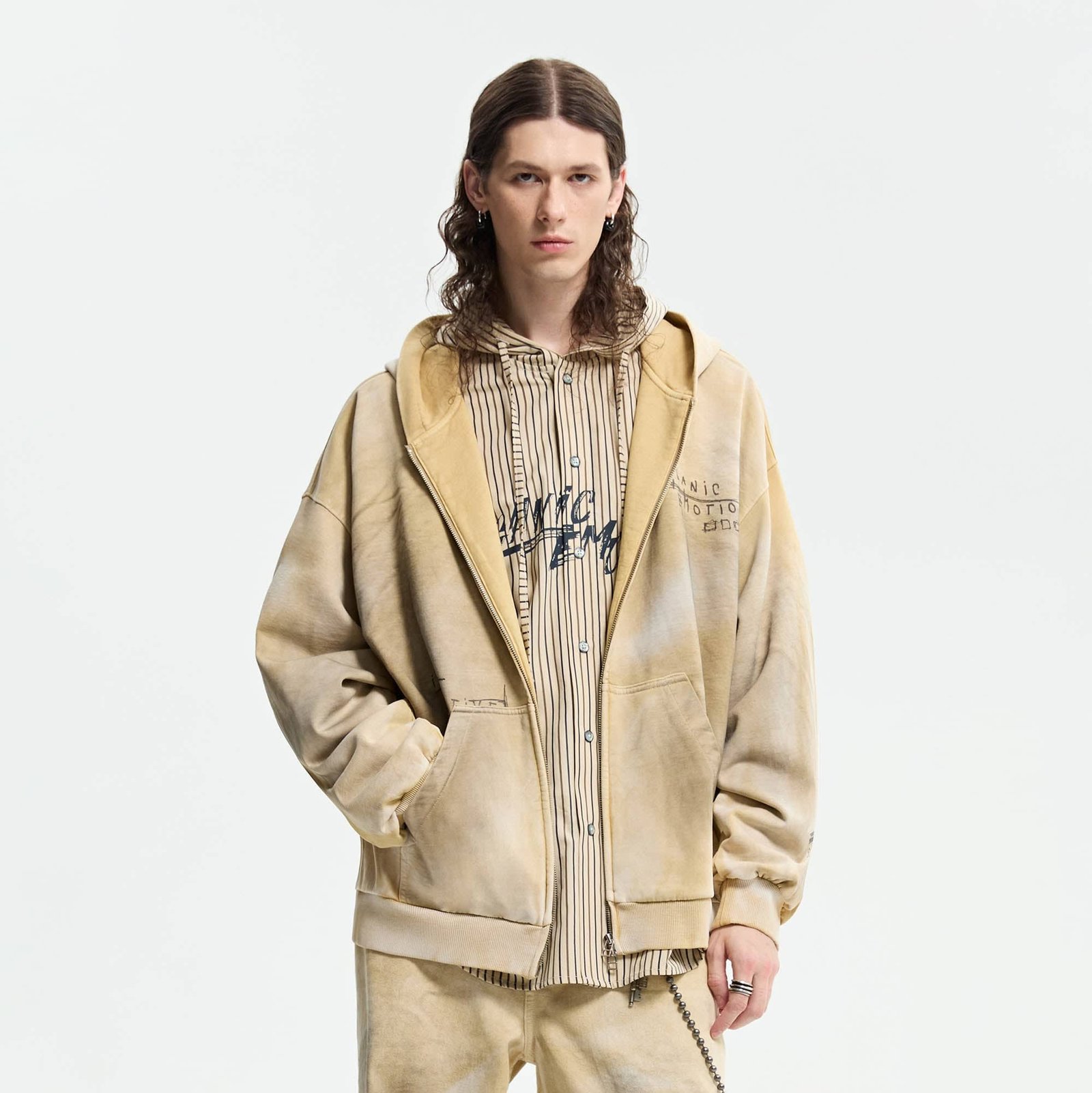
👉 Final pricing depends on customization and quantity.
Customization Cost Breakdown
Here’s how customization affects pricing:
Basic Level
- Single-color print
- Standard fabric
👉 Lowest cost option
Mid-Level
- Multi-color printing
- Custom labels
👉 Moderate cost increase
High-End
- Puff print / embroidery
- Custom fabric sourcing
- Full packaging
👉 Premium product pricing
Hidden Costs to Consider
Many brands overlook these:
- Sampling costs
- Shipping fees
- Import duties
- Packaging upgrades
👉 Always factor these into your total budget.
How to Reduce Your Costs
1. Simplify Your Design
👉 Fewer colors and techniques = lower cost
2. Increase Order Quantity
👉 Higher volume = lower unit price
3. Use Standard Fabrics
👉 Custom fabrics increase cost
4. Combine Styles in One Order
👉 Improves efficiency and pricing
Is Fuki Apparel Expensive or Worth It?
Not the Cheapest Option
- You can find lower prices elsewhere
But Strong Value
- Better quality control
- Lower defect risk
- Strong customization
👉 You’re paying for consistency and brand-level production.
FAQs
Does Fuki Apparel offer fixed pricing?
No. Pricing is based on your design and order details.
What is the minimum order quantity?
Around 100 pieces.
Can I get a sample before bulk?
Yes. Sampling is recommended before production.
How can I get an exact quote?
By submitting your design, quantity, and specifications.
Conclusion
So, how much does Fuki Apparel cost?
👉 It depends — but it generally sits in the mid-range with strong value for quality and customization.
If your goal is to build a brand with reliable products, the investment often pays off in fewer problems and better results.
Internal Reference
👉 Get a custom quote for your designs: FukiApparel
Follow us for real production insights and updates:
- TikTok: Fuki Streetwear
- YouTube: Fuki Apparel
- Instagram: Fuki Streetwear