
Table of Contents
- Quick Snapshot
- Who Is Gen Z in the Streetwear Market?
- Core Design Preferences of Gen Z
- Silhouette & Fit Trends
- Color & Graphic Direction
- Fabric Expectations & Quality Perception
- Digital Influence & Social Validation
- What Gen Z Rejects
- Practical Strategy for Brands
- Quick Comparison Table
- FAQ
- Conclusion
- Internal Reference
Quick Snapshot
If your streetwear brand targets Gen Z (born roughly 1997–2012), here’s what you need to know:
They value:
- Authenticity over hype
- Quality over logos
- Identity over trend copying
- Community over advertising
From my experience working with emerging streetwear brands, Gen Z customers are more informed than previous generations. They research fabrics, compare pricing, and check brand values before purchasing.
If you design only for aesthetics and ignore substance, they notice.
Who Is Gen Z in the Streetwear Market?
Gen Z is the first fully digital-native generation.
They:
- Shop online
- Discover brands through TikTok and Instagram
- Follow micro-influencers more than celebrities
- Care about social impact
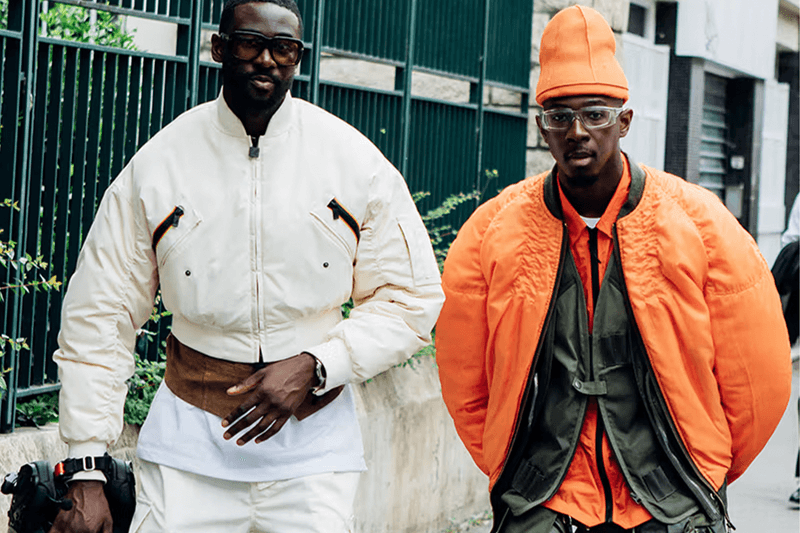
According to Statista – Global Consumer Insights, Gen Z represents a rapidly growing share of global fashion spending.
Unlike previous generations, they don’t just buy brands — they evaluate them.
Core Design Preferences of Gen Z
Based on trend tracking and production requests I’ve seen, Gen Z streetwear preferences center around:
1. Authentic Identity
They want brands with a story — not random graphics.
2. Balanced Minimalism
Oversized chaotic logos are declining.
Refined, intentional graphics perform better.
3. Cultural Awareness
Streetwear must feel connected to culture — music, art, gaming, or social movements.
Fashion platforms like HYPEBEAST – Streetwear Culture Media frequently highlight the intersection between youth culture and design direction.
Silhouette & Fit Trends
Gen Z prefers comfort-first construction.
Most Popular Fits
| Category | Preferred Fit |
|---|---|
| T-Shirts | Boxy / Slightly Cropped |
| Hoodies | Relaxed, Drop Shoulder |
| Pants | Wide-Leg / Cargo |
| Outerwear | Structured Oversized |
Skinny fits continue to decline in this demographic.
In my observation, oversized fits also reduce sizing complexity and improve sell-through rates.
Color & Graphic Direction
Gen Z streetwear styling leans toward:
- Muted neutrals (beige, olive, charcoal)
- Vintage faded tones
- Selective bold accent colors
Graphics That Work:
- Nostalgic references
- Subculture-inspired visuals
- Hand-drawn or imperfect typography
Graphics That Don’t:
- Generic stock prints
- Copycat logo imitations
- Overly loud branding
Gen Z can quickly detect inauthentic design.
Fabric Expectations & Quality Perception
This is where many brands fail.
Gen Z increasingly cares about fabric weight and durability.
Recommended Standards
| Item | Suggested GSM |
|---|---|
| T-shirt | 220–280 GSM |
| Hoodie | 350–450 GSM |
| Sweatpants | 320–400 GSM |
Heavier fabrics signal premium positioning.
Trend authorities like WGSN – Global Fashion Forecasting highlight quality-driven minimalism as a key movement among younger consumers.
If the product feels cheap, they won’t reorder.
Digital Influence & Social Validation
Gen Z purchases are shaped by:
- TikTok styling videos
- Instagram fit photos
- Community feedback
- Online reviews
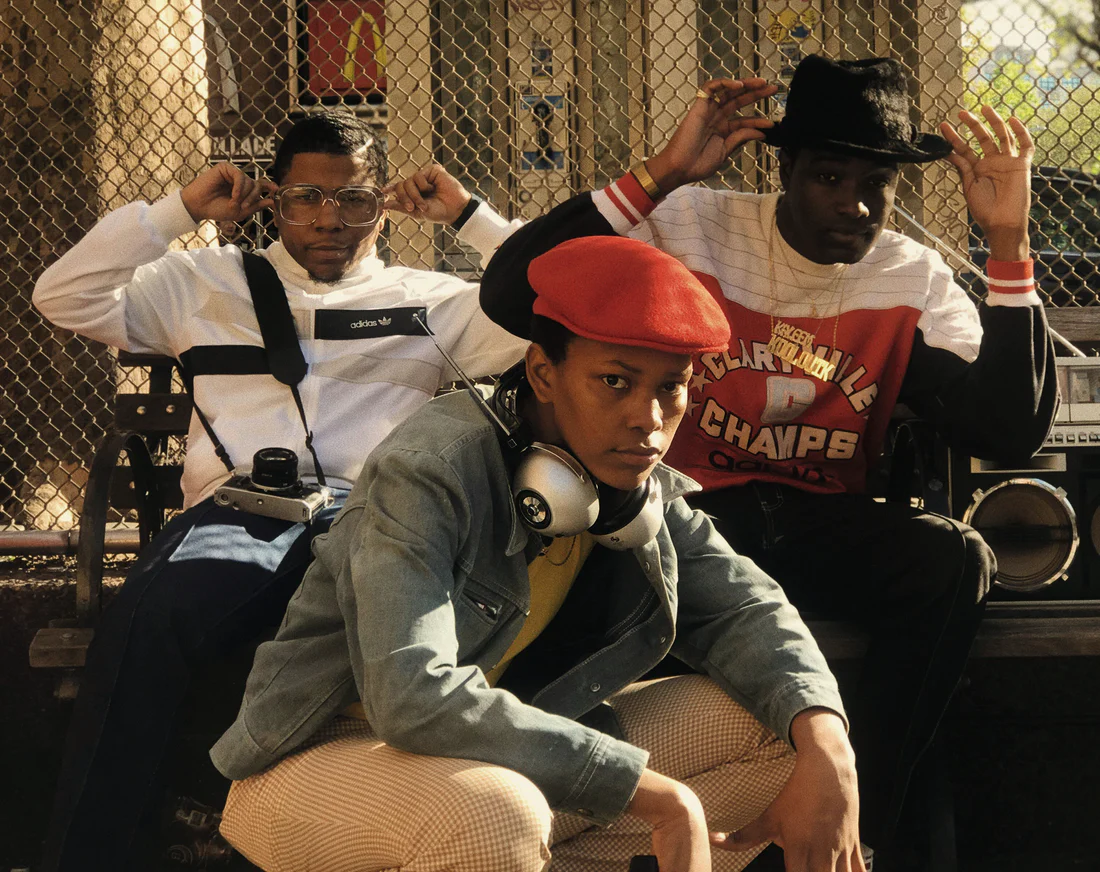
Scarcity and drop culture still matter — but authenticity matters more.
Psychological principles around belonging and identity are often discussed in Harvard Business Review – Consumer Behavior.
Gen Z wants to feel part of something real.
What Gen Z Rejects
From my production experience, these are common brand mistakes:
- Overpriced low-quality basics
- Logo-only brand identity
- Lack of transparency
- Trend-chasing without direction
- Poor fit consistency
Gen Z does not reward superficial branding.
Practical Strategy for Brands
If you're building for Gen Z, here’s what I recommend:
Focus On:
- Heavyweight core essentials
- Strong visual storytelling
- Limited but intentional drops
- Clean, functional design
Consider:
- Utility details
- Subtle embroidery
- Sustainable positioning
For brands looking to align Gen Z preferences with high-quality streetwear production, explore 👉
Fuki Apparel – Streetwear Manufacturing Solutions
Structured OEM production supports consistent fit and fabric standards.
Quick Comparison Table
| Factor | Millennials | Gen Z |
|---|---|---|
| Logo Preference | Moderate | Low |
| Quality Sensitivity | Growing | High |
| Fit Preference | Slim → Relaxed | Oversized |
| Digital Influence | Strong | Dominant |
| Sustainability Concern | Medium | High |
Gen Z is more critical — but also more loyal when satisfied.
FAQ
Does Gen Z still care about hype?
Yes, but only when paired with authenticity.
Are oversized fits mandatory?
Not mandatory — but strongly preferred.
Is sustainability essential?
Increasingly important, especially in premium positioning.
Should brands lower prices for Gen Z?
Not necessarily. Value perception matters more than price alone.
Conclusion
Gen Z is reshaping streetwear from hype-driven to identity-driven fashion.
They prioritize:
- Quality
- Authentic storytelling
- Comfort
- Digital culture integration
If your brand wants long-term relevance, design with intention — not imitation.
Streetwear is evolving again.
And Gen Z is leading it.
Internal Reference
If you're developing a Gen Z-focused streetwear line with premium fabrics and consistent construction, explore 👉
Fuki Apparel – Streetwear Manufacturing Solutions