
When brands ask about pricing, they usually want a simple number.
👉 How much per piece?
But in reality, apparel manufacturing doesn’t work that way. What you’re paying for isn’t just a garment — it’s a combination of materials, processes, and risk control.
In this guide, I’ll explain what you’re really paying for when working with Fuki Apparel, so you can understand where your budget actually goes.
Table of Contents
- Quick Answer
- Why Pricing Isn’t Just “Per Piece”
- Overview of Fuki Apparel Pricing
- What You’re Really Paying For
- Cost Structure Breakdown
- Cheap vs Smart Spending
- How to Control Your Budget
- Is the Pricing Transparent?
- FAQs
- Conclusion
- Internal Reference
Quick Answer
Fuki Apparel pricing reflects materials, customization, quality control, and production reliability. You’re not just paying for clothing — you’re paying for consistent results and reduced risk.
Why Pricing Isn’t Just “Per Piece”
Many new brands assume pricing is simple:
- Hoodie = $X
- T-shirt = $X
But in reality, pricing changes based on:
- Fabric
- Design complexity
- Printing techniques
- Quantity
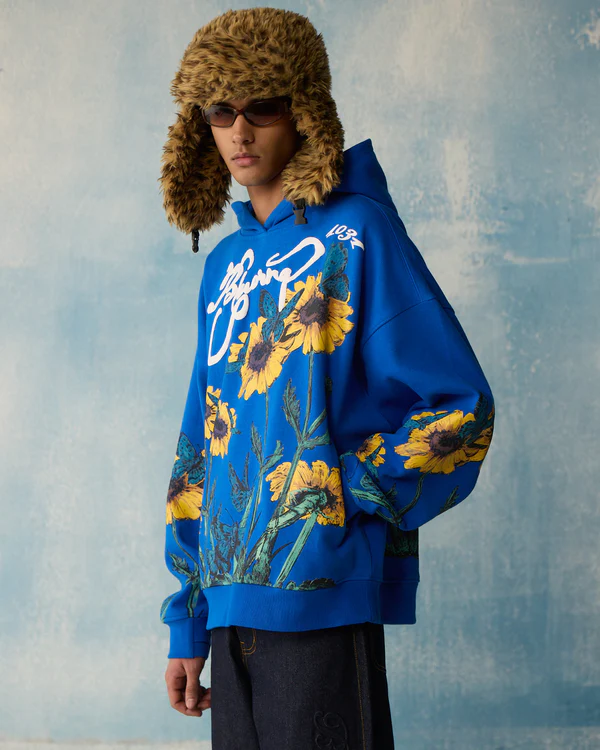
👉 That’s why two hoodies can have completely different costs.
Overview of Fuki Apparel Pricing
FukiApparel uses a custom pricing model based on your product.
Typical structure:
- MOQ: ~100 pcs
- Mid-range pricing
- Scalable cost with volume
👉 It’s designed for flexibility, not fixed pricing.
What You’re Really Paying For
1. Fabric Quality
- Heavyweight cotton (220–450 GSM)
- Better durability and structure
👉 Higher-quality fabric = higher perceived value.
2. Garment Construction
- Pattern development
- Stitching quality
- Fit accuracy

👉 This affects how your product looks and fits in real life.
3. Printing & Decoration
- Screen printing
- DTG printing
- Puff print
- Embroidery
👉 More complex designs = higher cost.
4. Customization & Branding
- Woven labels
- Hang tags
- Custom packaging
👉 This is what turns a product into a brand.
5. Quality Control
- Fabric inspection
- In-line checks
- Final AQL inspection
👉 Reduces defects and returns.
6. Communication & Support
- Fast response
- Production updates
- Problem-solving
👉 Saves time and avoids mistakes.
Cost Structure Breakdown
Here’s a simplified view:
| Cost Component | Impact |
|---|---|
| Fabric | High |
| Printing | Medium–High |
| Labor (Cut & Sew) | Medium |
| Customization | Medium |
| Packaging | Low–Medium |
👉 Fabric and design complexity usually drive most of the cost.
Cheap vs Smart Spending
Cheap Approach
- Lowest-cost fabric
- Minimal QC
- Basic printing
👉 Result: lower upfront cost, higher long-term risk
Smart Approach
- Balanced material quality
- Proper QC
- Controlled customization
👉 Result: better product, fewer issues, stronger brand
How to Control Your Budget
1. Simplify Design
👉 Fewer colors and techniques reduce cost
2. Increase Quantity
👉 Larger orders lower unit price
3. Use Standard Materials
👉 Custom fabrics increase cost
4. Prioritize Key Features
👉 Focus on what matters most to your brand
Is the Pricing Transparent?
Fuki Apparel pricing is:
- Based on your specifications
- Clearly quoted before production
- Adjustable depending on design changes
👉 Transparency improves when your requirements are clear.
FAQs
Why is pricing not fixed?
Because every product is customized.
What is the biggest cost factor?
Fabric and design complexity.
Can I lower my cost?
Yes — by simplifying design and increasing order quantity.
Is it worth paying more?
Yes, if you value consistency and brand quality.
Conclusion
So, what are you really paying for with Fuki Apparel?
👉 Not just clothing — but quality, consistency, customization, and reduced risk.
In manufacturing, the cheapest option often costs more in the long run.
The smarter approach is understanding where your money goes — and using it to build a stronger brand.
Internal Reference
👉 Request a detailed quote for your designs: FukiApparel
Follow us for real production insights and updates:
- TikTok: Fuki Streetwear
- YouTube: Fuki Apparel
- Instagram: Fuki Streetwear