
Table of Contents
- Introduction
- What Rapper Owns BAPE? (Short Answer)
- Who Actually Founded BAPE?
- Why People Think a Rapper Owns BAPE
- Rappers Most Closely Connected to BAPE
- How Rappers Helped BAPE Become a Global Brand
- Is BAPE Still Popular in Hip-Hop Today?
- BAPE vs Other Rap-Favorite Streetwear Brands
- What Clothing Brands Can Learn From BAPE’s Rap Influence
- How to Apply These Lessons to Your Clothing Brand
- FAQ
- Conclusion
Introduction
As someone who works with streetwear brands every day, one question comes up often:
“What rapper owns BAPE?”
BAPE has been deeply connected to hip-hop culture, especially in the 2000s and early 2010s. Because of that, many people assume a rapper must own the brand.
Let’s break down the real answer clearly, based on industry knowledge and streetwear history.
What Rapper Owns BAPE? (Short Answer)
No rapper owns BAPE.
BAPE was founded by Nigo, a Japanese designer and entrepreneur — not a rapper.
Important Timeline
- 1993: BAPE founded by Nigo
- 2011: BAPE sold to Hong Kong fashion group I.T
- Today: BAPE remains part of the I.T Group
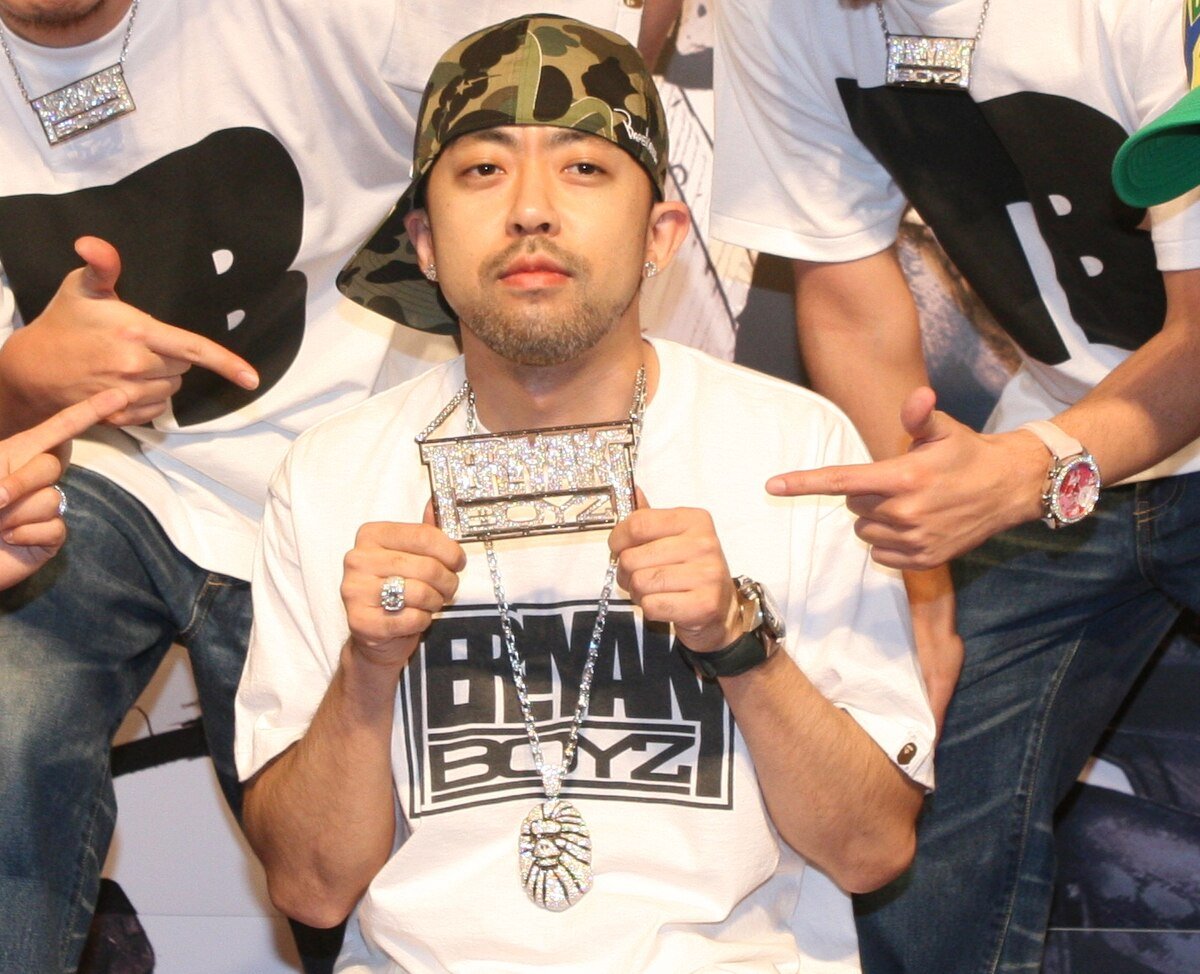
👉 Official BAPE website: BAPE
If you're interested in developing streetwear inspired by BAPE-style graphics and silhouettes:
Who Actually Founded BAPE?
BAPE (A Bathing Ape) was created by Nigo, a legendary Japanese fashion designer, DJ, and cultural influencer.
He is responsible for many iconic streetwear elements, including:
- BAPE camo patterns
- Shark hoodies
- BAPESTA sneakers
- Early hip-hop collaborations
Even though many rappers promoted the brand, none of them actually owned BAPE.
Why People Think a Rapper Owns BAPE
From what I see working in the streetwear industry, there are a few reasons for the confusion.
1. Rappers Made BAPE Mainstream
American hip-hop artists wore BAPE heavily before the wider global fashion audience discovered it.
2. Music Videos Amplified the Brand
BAPESTAs, shark hoodies, and camo outfits appeared constantly in 2000s hip-hop videos.
3. Pharrell’s Partnership Created Confusion
Pharrell Williams worked closely with Nigo and co-created:
- Billionaire Boys Club (BBC)
- Ice Cream
Because of this partnership, many people assume Pharrell also owned BAPE.
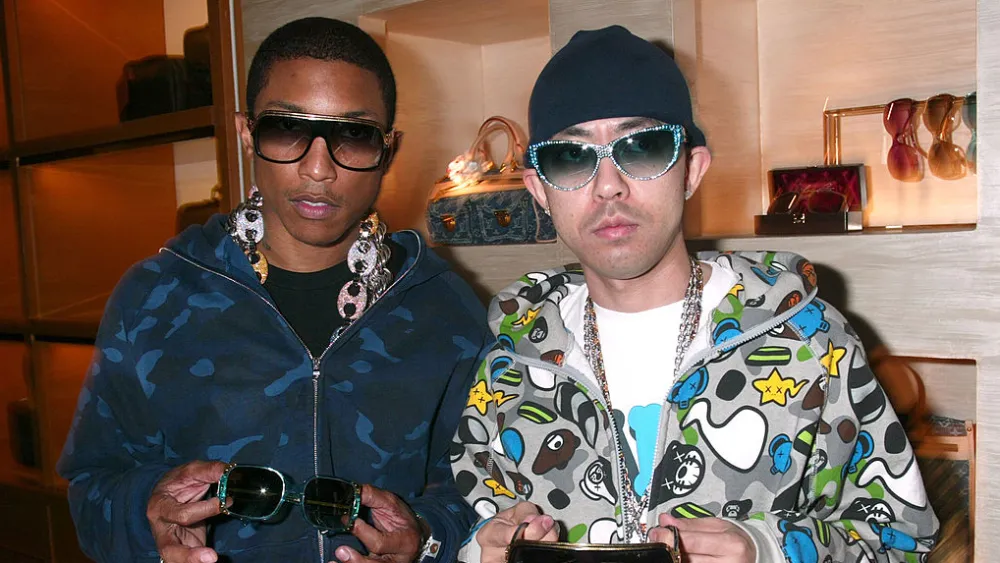
Rappers Most Closely Connected to BAPE
These rappers didn’t own BAPE, but they played huge roles in its global popularity.
1. Pharrell Williams
One of BAPE’s biggest ambassadors in the United States.
2. Lil Wayne
Known for wearing BAPESTAs and full camo outfits in the mid-2000s.
3. Soulja Boy
His viral music era helped introduce BAPE to a younger audience.
4. Kanye West (early career)
Released his own BAPESTA collaboration sneaker.
5. The Clipse
Their music videos frequently featured BAPE pieces in the early 2000s.
How Rappers Helped BAPE Become a Global Brand
Based on my experience working with streetwear brands, BAPE’s success came from several factors.
1. Visual Identity in Hip-Hop
BAPE clothing stood out on camera due to:
- Bold colors
- Distinct camo patterns
- Large graphic designs
2. Limited Drops
BAPE created scarcity and demand long before modern hype culture.
3. BAPESTA Sneaker Culture
Rappers helped build early sneaker resale culture.
4. Cross-Cultural Appeal
BAPE combined:
Japanese streetwear aesthetics + American hip-hop culture
This global fusion helped it expand worldwide.
Is BAPE Still Popular in Hip-Hop Today?
Yes — but its role has evolved.
Still Strong In
- Sneaker culture
- Streetwear collectors
- Archive fashion enthusiasts
Less Dominant In
- Modern hype cycles
- TikTok-driven trends
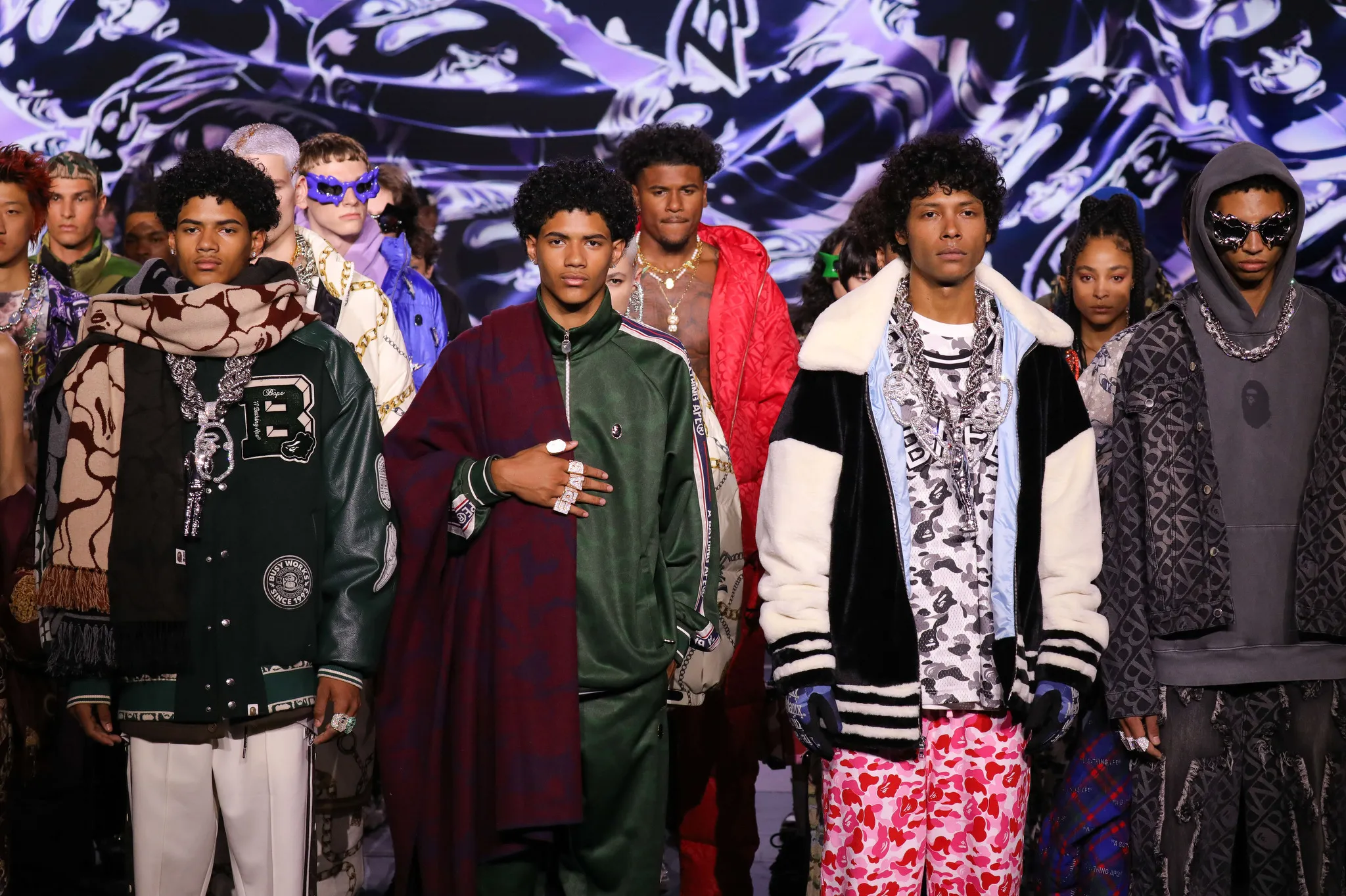
Today BAPE is often seen as a heritage streetwear brand, similar to Supreme and Stüssy.
BAPE vs Other Rap-Favorite Streetwear Brands
| Brand | Identity | Price Level | Rapper Influence | Best For |
|---|---|---|---|---|
| BAPE | Japanese streetwear + bold graphics | High | Very High | OG streetwear fans |
| Supreme | Skate + hype culture | High | High | Hype-driven buyers |
| BBC / Ice Cream | Luxury streetwear | Very High | High | Pharrell fans, collectors |
| Off-White | Luxury x street fashion | Very High | Medium | Designer fashion lovers |
What Clothing Brands Can Learn From BAPE’s Rap Influence
BAPE’s story offers several important lessons.
1. Graphics Matter
Strong visuals create instant brand recognition.
2. Hip-Hop Partnerships Build Legacy
Artists can expand a brand’s reach faster than traditional marketing.
3. Scarcity Drives Demand
Limited releases create hype and loyalty.
4. Signature Designs Matter
Examples:
- Shark hoodies
- BAPESTA sneakers
Every successful brand needs iconic products.
How to Apply These Lessons to Your Clothing Brand
For new streetwear founders, here are practical steps.
1. Build a Strong Visual Identity
Your graphics should be instantly recognizable.
2. Create a Hero Product
Examples:
- Hoodies
- Graphic tees
- Signature sneakers
3. Collaborate With Creators
Rappers, influencers, and stylists can amplify your brand quickly.
4. Work With a High-Quality Manufacturer
If you want to produce:
- Hoodies
- Graphic tees
- All-over print sets
- Custom sneakers
- Full cut-and-sew collections
👉 fukiapparel — Custom Streetwear Manufacturer
OEM/ODM · Low MOQ · Graphics & cut-and-sew specialists
FAQ
Does any rapper own BAPE?
No. BAPE is not owned by any rapper.
Did Pharrell co-own BAPE?
No. He collaborated closely with Nigo but never owned the brand.
Who founded BAPE?
Japanese designer Nigo.
Why do rappers wear BAPE so often?
Because BAPE’s bold designs and exclusivity align well with hip-hop culture.
Is BAPE still popular today?
Yes — especially among collectors and classic streetwear fans.
Conclusion
No rapper owns BAPE.
The brand was founded by Nigo and later acquired by the I.T Group.
However, hip-hop culture played a massive role in turning BAPE into a global streetwear icon.
Its journey shows how powerful the combination of:
- strong visual identity
- cultural influence
- strategic partnerships
can be.
If you're building your own streetwear brand and need high-quality manufacturing support:
👉fukiapparel — Custom Streetwear Manufacturer
BAPE’s story proves one thing clearly:
Culture + bold identity + creative partnerships can build a brand that lasts decades.