
Table of Contents
- Introduction
- What Happened to Daily Paper? (Short Answer)
- How Daily Paper Grew So Fast
- Why Daily Paper Faced Challenges Recently
- Is Daily Paper Still Popular Today?
- Who Daily Paper Is Best For
- Daily Paper vs Other Streetwear Labels
- What New Brands Can Learn From Daily Paper
- How to Apply These Lessons to Your Clothing Brand
- FAQ
- Conclusion
Introduction
As someone who works directly with streetwear brands and manufacturers every day, I often get asked:
“What happened to Daily Paper?”
People have noticed fewer viral drops, less hype, and slower social buzz compared to the peak years (2018–2021).
So what actually happened?
This article breaks everything down clearly, using my industry experience and insights from working with similar lifestyle-streetwear labels.
What Happened to Daily Paper? (Short Answer)
Daily Paper did not disappear — but it transitioned from a hype-driven streetwear brand to a culture-driven lifestyle label with slower momentum.
The brand is still:
- releasing collections
- operating retail stores
- maintaining a global presence
However:
- the hype cycle cooled
- social media buzz became less explosive
- competition increased
- the brand shifted toward lifestyle storytelling rather than hype drops
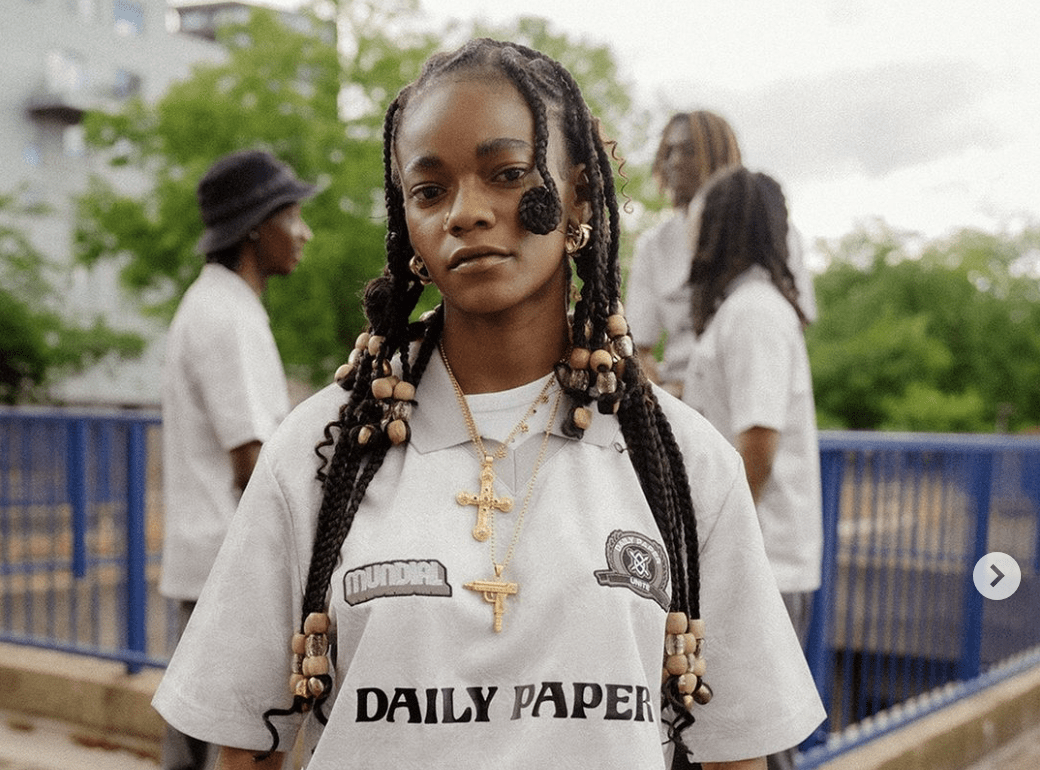
Daily Paper is still active — just less visible in hype-driven fashion culture compared to its peak years.
How Daily Paper Grew So Fast
1. Strong Afrocentric Identity
The founders created a distinctive identity combining:
- African heritage
- European streetwear aesthetics
This cultural fusion helped the brand stand out immediately.
2. Community-Driven Storytelling
Daily Paper positioned itself as more than fashion.
It emphasized culture, heritage, and storytelling.
3. Early Social Media Virality
Between 2017–2021, their lookbooks and campaigns spread widely on Instagram.
4. Celebrity Visibility
Artists, stylists, and athletes helped bring the brand into mainstream fashion conversations.
5. Rapid Retail Expansion
Daily Paper expanded globally with stores in:
- Amsterdam
- London
- New York
Physical retail helped reinforce credibility and brand legitimacy.
Why Daily Paper Faced Challenges Recently
Many people began asking “What happened?” during this phase.
From what I see across the streetwear industry, several factors contributed.
1. Overcrowded Competition
New brands entered the same market space, including:
- Aime Leon Dore
- Fear of God Essentials
- Represent
- Corteiz
2. Less Viral Content
As platforms shifted toward Reels and TikTok-style content, Daily Paper’s traditional campaign style saw reduced reach.
3. Natural Hype Cycle
Most streetwear brands follow a similar lifecycle:
- Early growth
- Explosive hype
- Maturity plateau
Daily Paper is currently in stage 3 — stable but less viral.
4. Shifting Brand Positioning
The brand began focusing more on:
- lifestyle fashion
- tailoring elements
- cultural storytelling
rather than hype-heavy product drops.
Is Daily Paper Still Popular Today?
Yes — but with a more niche, culture-driven audience.
Still strong in:
- Amsterdam
- London
- Afro-European fashion circles
- culture-driven communities
- archive collectors
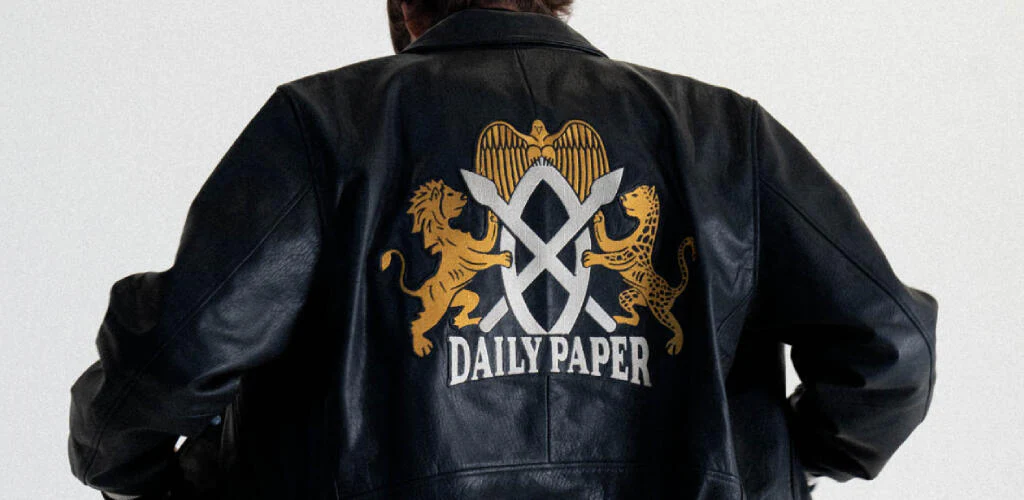
Less dominant in:
- hype streetwear markets
- meme-driven Instagram culture
- resale-driven fashion trends
Daily Paper today is respected and stable, not disappearing.
Who Daily Paper Is Best For
Daily Paper is ideal for people who:
- appreciate Afrocentric design influences
- prefer lifestyle-oriented streetwear
- enjoy storytelling through fashion
- want mid-to-premium streetwear
Not ideal for people who:
- want large logo hype pieces
- focus on resale value
- chase short-term fashion trends
If you like brands such as:
- Aime Leon Dore
- Casablanca
- Kinfolk
you will likely appreciate Daily Paper’s aesthetic.
Daily Paper vs Other Streetwear Labels
| Brand | Identity | Price Level | Hype Level | Best For |
|---|---|---|---|---|
| Daily Paper | Afro-European lifestyle | Mid | Medium | Culture-driven fashion |
| Corteiz | UK underground streetwear | Mid | High | Hype-focused buyers |
| Aime Leon Dore | NYC luxury streetwear | High | High | Minimal luxury style |
| Represent | Gym × street hybrid | Mid–high | Medium-high | Trend-driven fashion |
What New Brands Can Learn From Daily Paper
From my experience helping brands develop product lines, several lessons stand out.
1. Culture creates uniqueness
Daily Paper built its identity around heritage and storytelling, not trends.
2. Hype always fades
Successful brands prepare for long-term relevance, not just viral moments.
3. Retail expansion carries risk
Physical stores increase visibility but also increase operational pressure.
4. Content formats evolve
Brands must adapt to changing media platforms.
5. Story + quality beats constant drops
Modern consumers increasingly value meaning and authenticity.
How to Apply These Lessons to Your Clothing Brand
Here are practical steps I recommend for new brands.
1. Build a clear message
Define what your brand represents:
- culture
- identity
- craftsmanship
- lifestyle
2. Focus on strong visuals
Graphics, typography, and color identity matter.
3. Create products with longevity
Not every release needs to chase hype.
4. Work with reliable manufacturers
If you plan to produce:
- hoodies
- t-shirts
- jackets
- cut-and-sew garments
👉 FuKi Apparel – Custom Streetwear Manufacturer
Trusted low-MOQ OEM/ODM manufacturing service.
5. Produce consistent modern content
Especially:
- short-form video
- behind-the-scenes production stories
- community-driven storytelling
FAQ
Did Daily Paper go out of business?
No. The brand is still active with retail stores and seasonal collections.
Why is Daily Paper less hyped now?
Because of natural brand maturity, increased competition, and changing social media dynamics.
Is Daily Paper still a good brand?
Yes. Its cultural identity and storytelling remain strong.
Is Daily Paper expensive?
It sits in the mid-to-premium streetwear price range.
Conclusion
Daily Paper did not disappear.
The brand simply transitioned from a hype-heavy streetwear label to a more mature, culture-driven lifestyle brand.
It remains respected globally and continues influencing Afro-European fashion and storytelling in streetwear.
If you are building your own clothing brand and want to follow a similar path:
👉 FuKi Apparel – Custom Streetwear Manufacturer
High-quality OEM/ODM production for hoodies, tees, outerwear, and full cut-and-sew collections.