
This is one of the most common questions I see online:
“What rapper owns Denim Tears?”
The short answer surprises a lot of people.
Denim Tears is not owned by a rapper. It is founded and owned by Tremaine Emory—a creative director, cultural architect, and one of the most influential minds in modern streetwear.
But the reason people think a rapper owns it is actually what makes Denim Tears so powerful.
Let me explain.
Table of Contents
- Quick Answer
- Who Really Owns Denim Tears?
- Why People Think a Rapper Owns It
- Tremaine Emory’s Cultural Role
- Rap Culture vs. Brand Ownership
- Comparison Table
- Should You Care Who Owns It?
- FAQ
- Conclusion
- Internal Reference
Quick Answer
No rapper owns Denim Tears.
Denim Tears is founded and owned by Tremaine Emory, a creative director deeply connected to hip-hop culture—but not a rapper himself.
The brand feels “rap-owned” because it is worn, supported, and respected by major artists across music and fashion.
Who Really Owns Denim Tears?
Denim Tears was created by Tremaine Emory, also known as Denim Tears Tremaine.
He is known for:
- Working closely with Kanye West
- Serving as creative director for Supreme
- Shaping modern Black cultural aesthetics
- Bridging fashion, history, and identity
You can find deep coverage of his role on fashion platforms like Highsnobiety and Hypebeast.
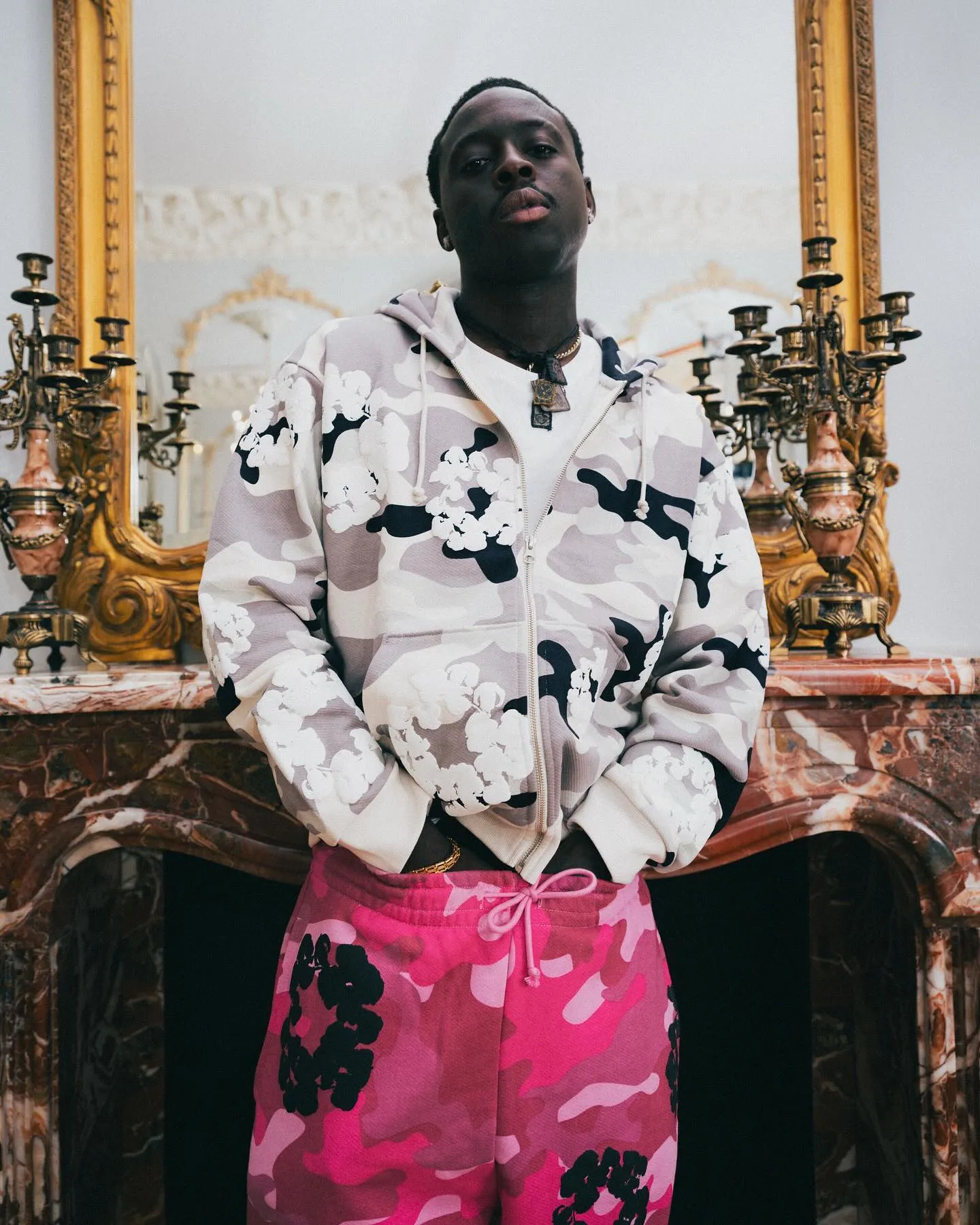
Denim Tears is his personal project—his voice in fabric form.
Why People Think a Rapper Owns It
Because Denim Tears lives inside hip-hop culture.
You regularly see it worn by:
- Kanye West
- A$AP Rocky
- Pharrell Williams
- Tyler, The Creator
- Drake
When a brand is embraced at that level, it feels like part of the music industry—even if it isn’t owned by an artist.
In streetwear, visibility becomes perceived ownership.
Tremaine Emory’s Cultural Role
From my perspective in apparel and branding, Tremaine’s position is rare.
He is not a celebrity selling merchandise. He is a cultural translator.
Denim Tears turns:
- Black history
- American labor
- Diaspora identity
…into garments that communicate meaning without needing explanation.
That is why the brand resonates with artists. It speaks the same cultural language.
Rap Culture vs. Brand Ownership
Many brands in streetwear appear to be rapper-owned, but the reality is often different.
| Type | What You See | Reality |
|---|---|---|
| Celebrity merch | Artist face and logo | Artist-owned |
| Denim Tears | Artists wearing it | Designer-owned |
| Hype brands | Influencer visibility | Corporate or private ownership |
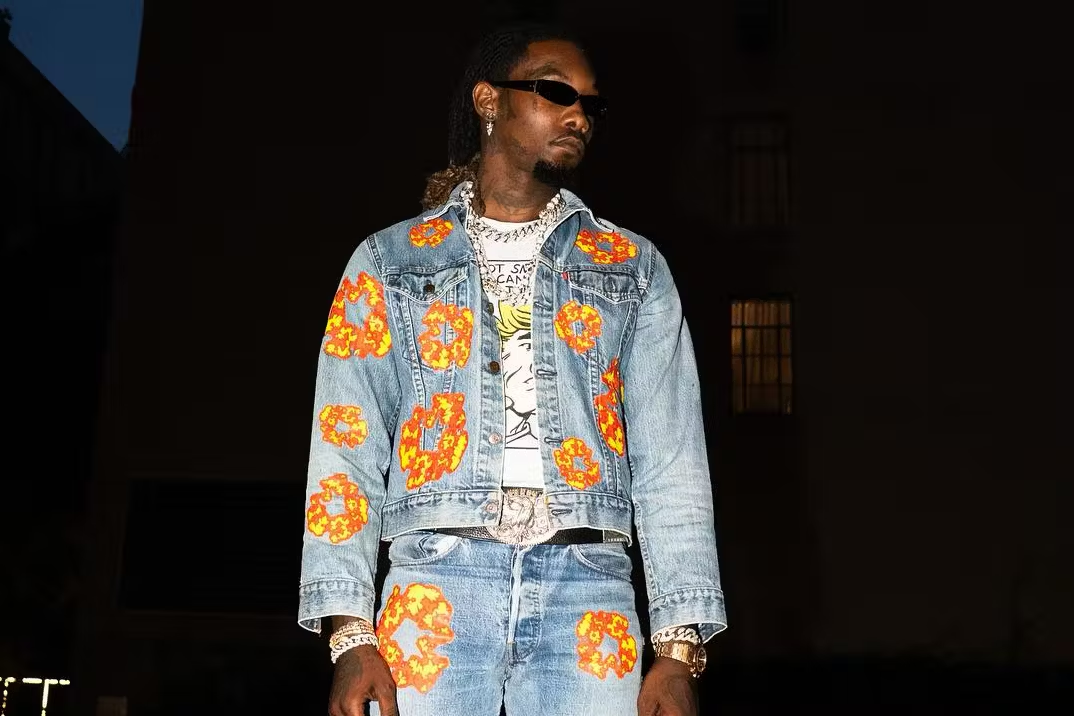
Denim Tears stands out because it earns cultural respect organically.
Artists wear it because it represents something meaningful—not because they own it.
Comparison Table
| Brand | Owned By | Cultural Role |
|---|---|---|
| Yeezy | Kanye West | Artist-led fashion |
| OVO | Drake | Music merchandise evolution |
| Denim Tears | Tremaine Emory | Cultural storytelling brand |
Denim Tears sits closer to cultural expression than celebrity merchandise.
Should You Care Who Owns It?
Yes, because ownership shapes intention.
A rapper-owned brand often exists to extend personal branding or fame.
Denim Tears exists to communicate history, identity, and meaning.
That difference is why it feels deeper.
You are not wearing a celebrity logo. You are wearing a narrative.
FAQ
Is Tremaine Emory a rapper?
No. He is a creative director and cultural designer.
Do rappers invest in Denim Tears?
Some artists collaborate with or support the brand, but ownership remains with Tremaine Emory.
Why is Denim Tears linked so closely to rap culture?
Because it speaks the same themes—identity, history, and cultural expression—that are central to hip-hop.
Conclusion
No rapper owns Denim Tears.
But hip-hop culture has embraced it.
That is more powerful than ownership.
Denim Tears proves that a brand can live inside music, identity, and history without being built on celebrity.
From a creator’s point of view, that is rare—and valuable.
Internal Reference
If you are building a brand rooted in culture rather than celebrity, explore how narrative-driven apparel is developed at 👉 Fuki Apparel