
Table of Contents
- Quick Answer
- Why Denim Types Matter
- Main Types of Denim
- Denim Type Comparison Table
- Which Denim Type Should You Choose?
- FAQ
- Internal Reference
Quick Answer
Denim is not one fabric—it’s a family of fabrics.
The most common types of denim include:
- Raw denim – unwashed, fades naturally
- Washed denim – pre-softened and faded
- Stretch denim – blended with elastane
- Selvedge denim – woven on shuttle looms
- Rigid denim – stiff, structured fabric
- Lightweight denim – breathable and soft
- Colored / black denim – fashion-driven tones
Each type behaves differently in wear, wash, and silhouette.
Why Denim Types Matter
From a manufacturing perspective, denim type controls:
- How jeans feel on day one
- How they fade over time
- How they drape on the body
- How durable they are
- How premium they appear
Two jeans can look identical on a rack—but perform completely differently in real life.
That’s why brands like Levi’s and Wrangler build entire product lines around specific denim categories.
Main Types of Denim
Raw (Unwashed) Denim
- No washing or distressing
- Deep indigo color
- Stiff at first
- Fades based on how you wear it
Best for: Denim enthusiasts, long-term wear, personal fade patterns
Raw denim tells your story.
Washed Denim
- Pre-washed and softened
- Includes stone wash, enzyme wash, vintage wash
- Comfortable from day one
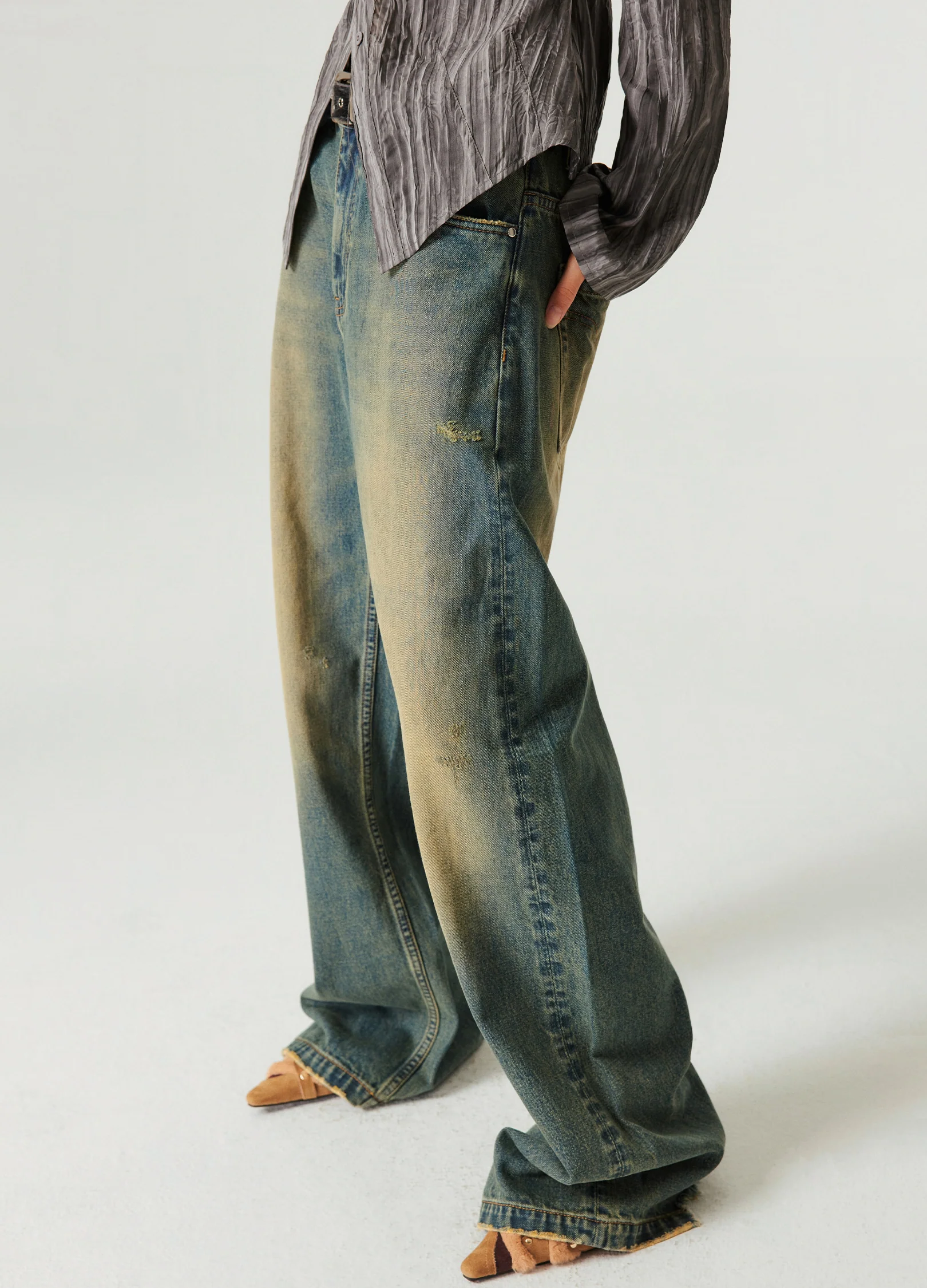
Best for: Everyday wear, comfort-first users, mass-market collections
Stretch Denim
- Cotton blended with elastane (spandex)
- Flexible and body-hugging
- Easier movement
Best for: Skinny fits, women’s jeans, travel wear
Selvedge Denim
- Woven on traditional shuttle looms
- Clean, finished edge (self-edge)
- Dense and premium texture
Best for: Heritage denim, premium collections, cuffed styles
Often sourced from Japanese mills.
Rigid Denim
- Heavy and stiff
- Holds strong structure
- Often raw or lightly processed
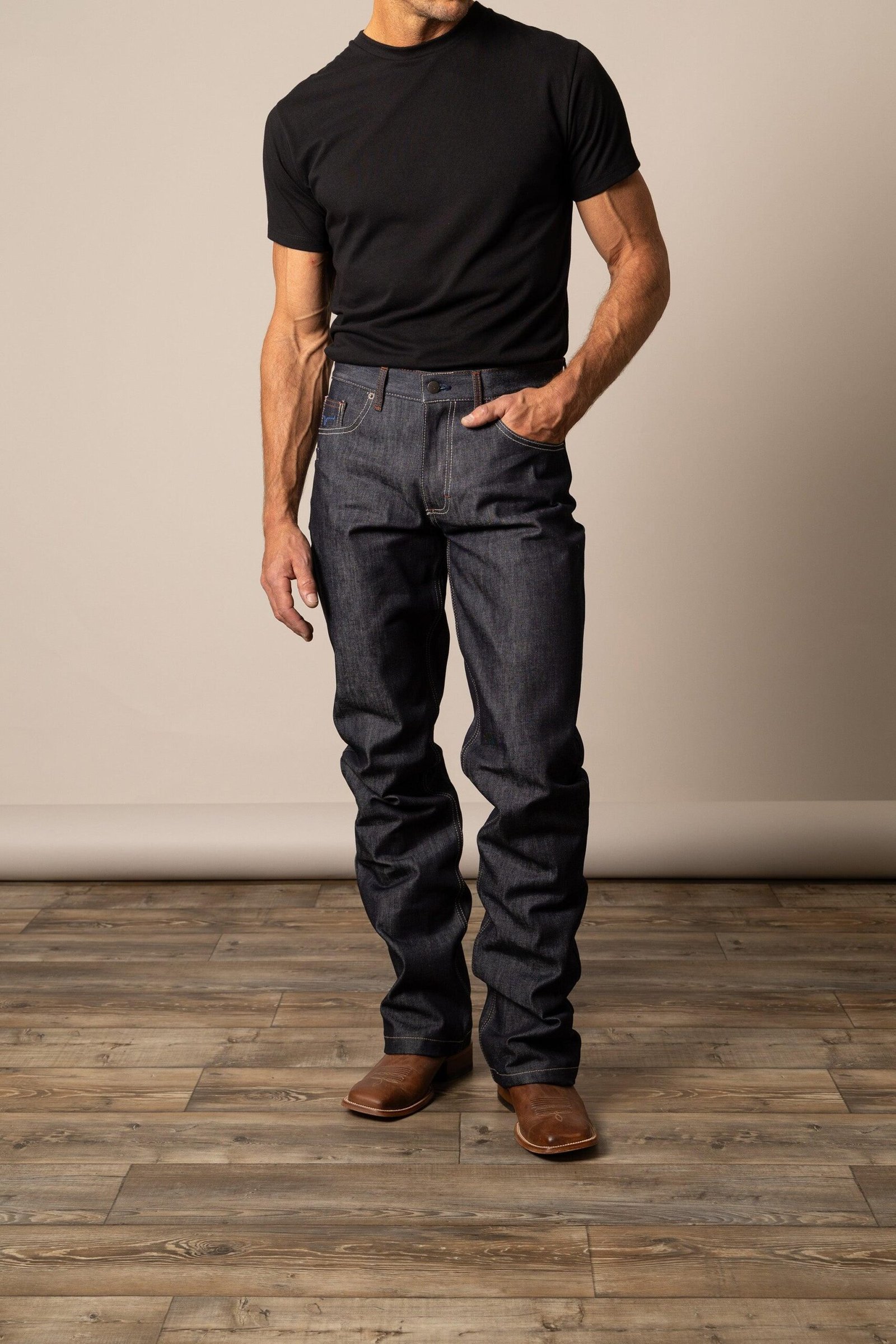
Best for: Workwear styles, structured silhouettes, jackets
Lightweight Denim
- Lower GSM (lighter weight)
- Breathable and soft
- Easier drape
Best for: Summer jeans, denim shirts, casual jackets
Colored & Black Denim
- Dyed beyond classic indigo
- Includes black, grey, brown, seasonal tones
- More fashion-forward
Best for: Streetwear brands, trend-driven collections, differentiation
Denim Type Comparison Table
| Type | Feel Day One | Fading | Comfort Level | Best Use Case |
|---|---|---|---|---|
| Raw | Stiff | Personal fades | Low → High | Denim enthusiasts |
| Washed | Soft | Stable | High | Daily wear |
| Stretch | Flexible | Light fading | Very High | Fitted jeans |
| Selvedge | Dense | High-contrast | Medium | Premium lines |
| Rigid | Firm | Structured wear | Low | Workwear |
| Lightweight | Soft | Minimal | High | Summer wear |
| Colored/Black | Smooth | Tone variation | Medium | Fashion lines |
Which Denim Type Should You Choose?
Choose based on your lifestyle:
- Want jeans that age with you → Raw or selvedge denim
- Want comfort immediately → Washed or stretch denim
- Want strong structure → Rigid denim
- Want breathability → Lightweight denim
- Want fashion edge → Colored or black denim
In production, the best approach is always:
Start with how the product will be used—then choose the fabric.
That’s how denim becomes intentional.
FAQ
Is selvedge denim always better?
No. It’s about craftsmanship and durability—not necessarily comfort.
Does stretch denim wear out faster?
Yes. Elastane fibers lose elasticity over time.
Is raw denim hard to maintain?
Only if over-washed. Most wearers wash less frequently to preserve fades.
Internal Reference
If you’re building a denim collection or private-label jeans line, fabric choice defines your brand identity.
Explore how denim fabrics are sourced and engineered 👉 Fuki Apparel
Because in denim, the fabric is the product.