
Table of Contents
- Quick Answer
- Why T-Shirt Sizing Is So Confusing
- Measure Yourself the Right Way
- How Different Fits Change Size Choice
- Size Selection by Body Type
- Common Sizing Mistakes
- Size Comparison Table
- FAQ
- Internal Reference
Quick Answer
To choose the right T-shirt size:
- Measure your chest and shoulders
- Decide your preferred fit (slim, regular, oversized)
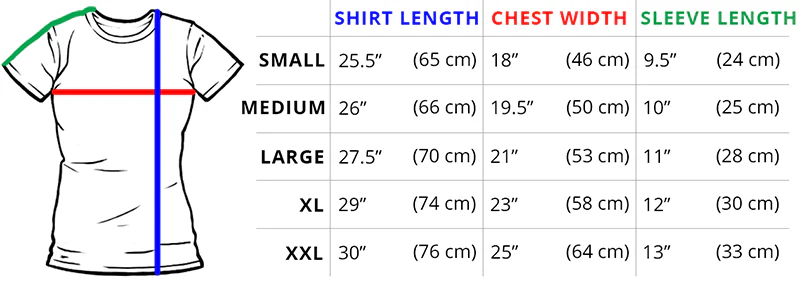
- Compare your measurements with the garment size chart
- Adjust one size up or down based on style
Never rely on S / M / L labels alone. Always check real measurements.
Why T-Shirt Sizing Is So Confusing
From a production standpoint, sizing is not standardized:
- US brands → generally larger
- Asian brands → slimmer fit
- Streetwear → wider and longer
- Fashion brands → shorter, tailored
Two “Medium” T-shirts can differ by 5–8 cm in chest width.
That’s why people think:
“This is my size—but it doesn’t fit.”
It is your size. It’s just not your cut.
Measure Yourself the Right Way
You only need a tape measure.
Measure:
- Chest → around the fullest part
- Shoulders → edge to edge
- Length → shoulder to hip
Write these down.
Then compare with the garment measurements, not just body size.

If a brand only shows body sizing, use it as a reference—but always prioritize finished garment specs.
How Different Fits Change Size Choice
| Fit Type | What to Do | Result |
|---|---|---|
| Slim Fit | Choose exact chest size | Clean, body-hugging look |
| Regular Fit | Follow size chart | Balanced everyday wear |
| Oversized | Size up intentionally | Streetwear silhouette |
| Boxy Fit | Wider chest, shorter length | Modern square look |
Size is not just “how big”—it’s how you want to look.
Size Selection by Body Type
- Broad shoulders → prioritize shoulder width
- Slim build → smaller chest, slightly longer length
- Athletic build → avoid tight sleeves and armholes
- Tall body → check length first
- Short body → avoid longline cuts
In production, we adjust length more often than width—because length affects proportion the most.
Common Sizing Mistakes
Avoid these common errors:
- Buying based on habit (“I’m always M”)
- Ignoring shoulder fit
- Oversizing without intention
- Choosing length blindly
- Mixing slim fit with oversized sizing
Wrong size = cheap look
Right size = premium feel
Size Comparison Table
| Goal | Recommended Choice |
|---|---|
| Clean daily wear | Regular fit, true size |
| Modern street style | Oversized, size up |
| Athletic silhouette | Slim fit, exact chest |
| Layered outfits | Regular fit, longer length |
| Minimal wardrobe | Regular fit, neutral cut |
FAQ
Should I size up or down?
- Size up → streetwear / oversized look
- Stay true → everyday wear
Why does the same size feel different?
Because brands use different patterns, fits, and measurements.
Is length more important than width?
Often yes. Length defines overall proportions more than people realize.
Internal Reference
If you’re building your own T-shirt line or want size charts that actually convert, sizing structure is critical.
Explore how we develop production-ready sizing systems 👉 Fuki Apparel
Because in apparel, fit is the product.