
If you’ve spent time around streetwear or modern fashion, you’ve likely seen the name Heron Preston—on hoodies, industrial tags, or collaborations with Nike and NASA.
But who was Heron Preston really? Was he just another hype designer, or something more?
From my experience working with fashion brands and watching trends rise and fall, Heron Preston represents a very specific moment in fashion history: the moment when streetwear, art, and luxury fully collided.
This article explains who Heron Preston is, why he mattered, and what his story teaches today’s brands.
Table of Contents
- Quick Answer
- Early Life & Background
- How Heron Preston Entered Fashion
- What Made Heron Preston Famous
- Heron Preston’s Design Language
- Heron Preston’s Role in Streetwear Culture
- Why His Name Still Matters
- What New Brands Can Learn
- FAQ
- Conclusion
- Internal Reference
Quick Answer
Heron Preston is an American designer, artist, and creative director who helped define the bridge between streetwear and luxury fashion in the 2010s.
He became known for industrial graphics, utilitarian aesthetics, and cultural commentary—most famously through his self-named brand.
Official site: Heron Preston
Early Life & Background
Heron Preston was born in San Francisco and originally studied graphic design.
Before fashion, he worked in:
- digital art
- creative direction
- music-adjacent culture
- youth-driven projects
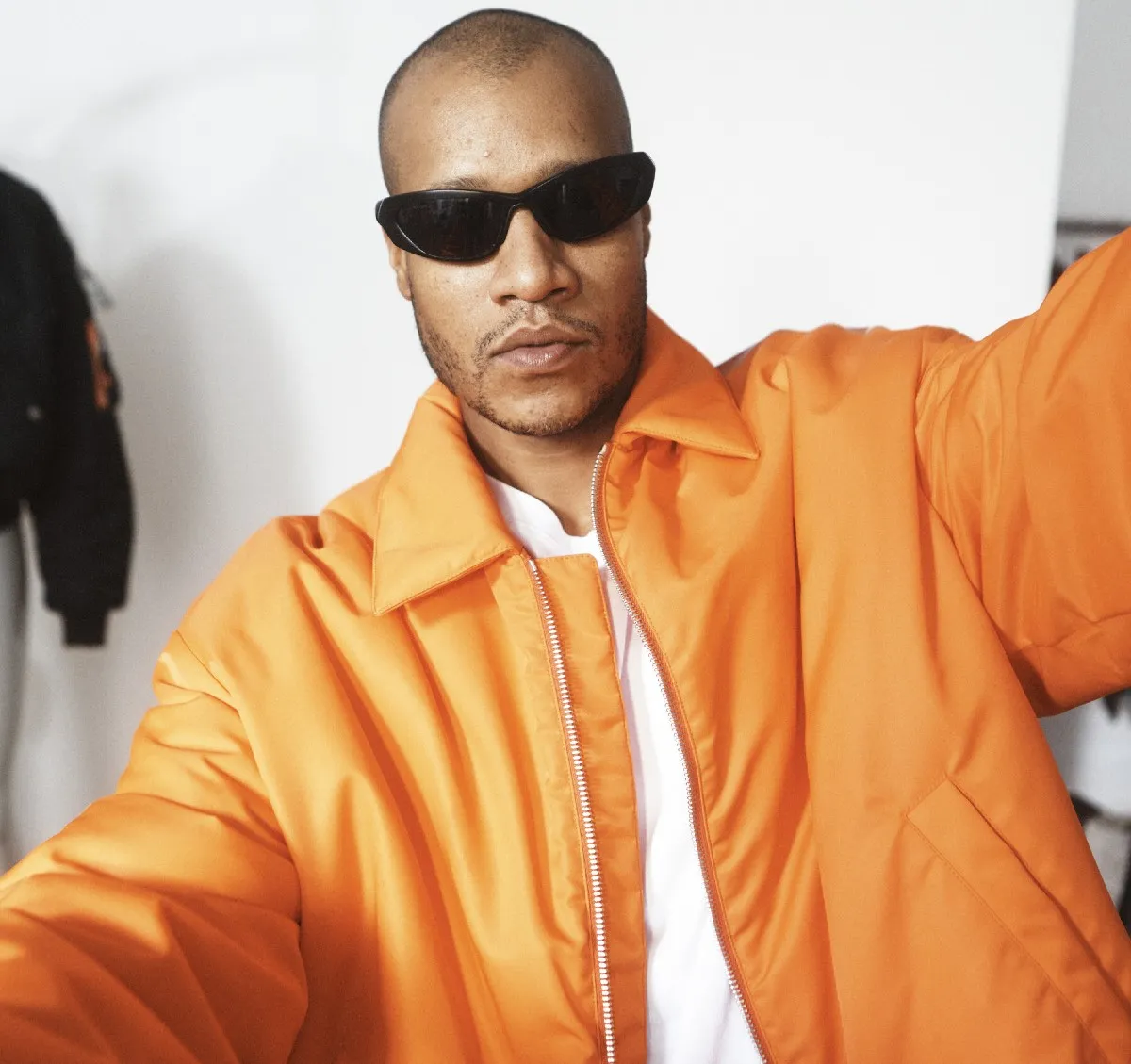
What set him apart early on was context awareness. He didn’t design in isolation—he designed inside culture.
From what I’ve observed, this background is why his work always felt “online-native” before that term even existed.
How Heron Preston Entered Fashion
Heron didn’t come up through a traditional fashion house.
Instead, he rose through:
- creative circles
- DJ culture
- street-level projects
- collaborations
He became part of the same creative ecosystem as Virgil Abloh, Kanye West, and other culture-first designers.
This generation didn’t ask:
“How do I join fashion?”
They asked:
“How do I rewrite it?”
What Made Heron Preston Famous
Three moments defined his rise:
- The DHL parody T-shirt
- The launch of his own label
- His industrial “СТИЛЬ” aesthetic
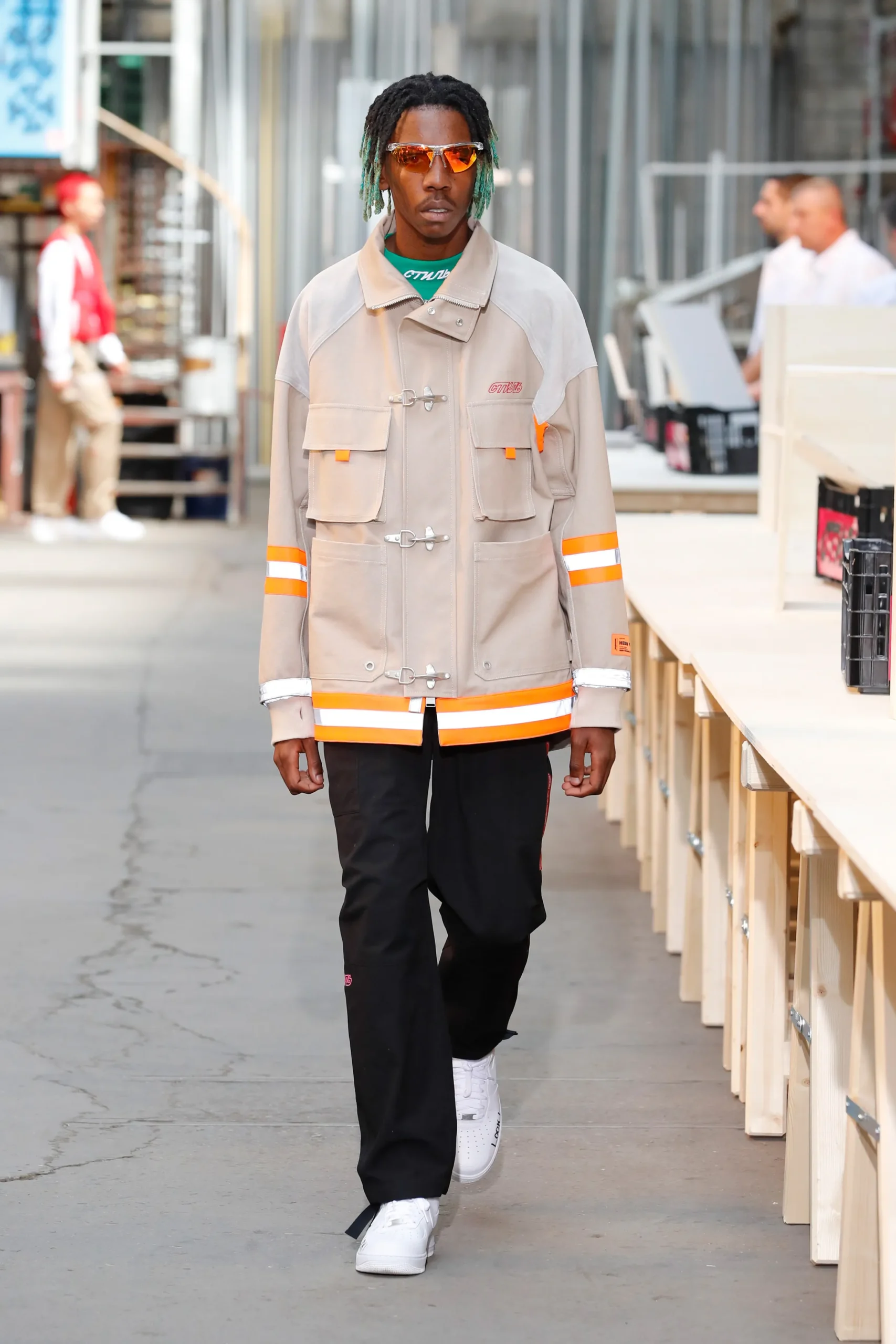
Signature elements included:
- orange safety tags
- workwear silhouettes
- bold typography
- utility-driven forms
These pieces felt like objects, not just clothes.
From my perspective, his success came from timing:
He arrived when streetwear was becoming luxury—and spoke that language fluently.
Heron Preston’s Design Language
His work focused on:
- industrial culture
- labor symbolism
- modern uniforms
- environmental messaging
- digital-era identity
Instead of selling fantasy, he sold reality, reframed.
That’s why his clothes felt “urban” without copying street culture—they interpreted it.
Heron Preston’s Role in Streetwear Culture
Heron Preston helped prove that:
- streetwear could exist on luxury runways
- graphic language could carry meaning
- youth culture could drive high fashion
He was part of a generation that changed:
| Before | After |
|---|---|
| Streetwear = casual | Streetwear = cultural power |
| Luxury = tradition | Luxury = concept |
| Designers = elite | Designers = cultural translators |
This shift is now the industry norm.
Why His Name Still Matters
Even though his brand is quieter today, Heron Preston still matters because:
- he reshaped fashion’s language
- he opened doors for hybrid creators
- he proved culture beats pedigree
- he made “idea-driven streetwear” viable
In fashion, some names build empires.
Others change the rules.
Heron did the second.
What New Brands Can Learn
From a brand-building perspective, Heron Preston teaches us:
- Culture moves faster than clothing
- Aesthetic must evolve
- Hype has a lifespan
- Meaning outlives trend
- Identity must deepen over time
You don’t need to be loud forever.
You need to be relevant when it counts.
FAQ
Is Heron Preston still active?
Yes. He continues to work creatively, with more focus on sustainability and long-term design.
Was Heron Preston a fashion school graduate?
He studied graphic design, not traditional fashion design.
Why did his brand slow down?
Because trends changed and the market moved toward quieter luxury.
Is Heron Preston considered luxury?
Yes—his brand operated in the luxury streetwear space.
Conclusion
Heron Preston wasn’t just a designer.
He was part of a cultural shift that taught fashion to speak the language of the street, the screen, and the present moment.
From my perspective, his legacy isn’t in any single hoodie or logo.
It’s in this idea:
Fashion doesn’t follow culture anymore.
It is culture.
Internal Reference
If you’re building a modern streetwear or hybrid brand and want to understand how culture, production, and identity connect, explore fukiapparel for manufacturing and brand-development insight.